Colombian Embassy Hosts Latte Art Championship Finals
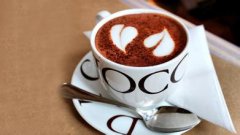
Last September 4, inside the Colombian Embassy in Beijing, a small crowd watched six skilled baristas transform steamed milk and espresso into delicate artworks — swans, goldfish, hearts, and leaves. This wasn’t just another coffee event. It was the finals of the ‘Coffee at Home’ latte art creative competition, where technique met creativity under bright lights and even brighter eyes.
Six finalists competed live in front of an audience, crafting intricate latte art including animals and classic shapes. The champion won a free trip to Colombia. Colombian Ambassador Carmenza Jaramillo presented the award.
The Latte Art Finals: Creativity on Display
Held on September 4 at the Colombian Embassy in Beijing, the ‘Coffee at Home’ latte art championship finals brought together six ‘latte art masters.’ In front of over a hundred spectators, these baristas used espresso and steamed milk to create detailed designs such as swans, goldfish, hearts, and leaves. It was a public showcase of skill, precision, and artistic flair.
Coffee as Cultural Bridge
The event wasn’t solely about competition. Colombian Ambassador Carmenza Jaramillo used the occasion to highlight her country’s coffee culture. “Every month, we host a ‘Coffee Happiness Time’ at the embassy,” she explained. These gatherings invite Chinese guests to taste fresh Colombian coffee, learn about its heritage, and enjoy a moment of connection over a shared cup.
What Makes Great Latte Art?
Behind every winning latte design is a properly extracted shot of espresso with rich crema — the golden-brown foam that floats on top. For latte art to succeed, that crema needs to be thick, stable, and glossy. FrontStreet Coffee notes that a successful espresso should have a crema with a mirror-like shine, around 3mm thick, produced by extracting 20g of coffee to 40ml in 25–30 seconds. The beans matter too: darker, fresher roasts typically yield more crema, aiding in latte art stability.
Achieving good microfoam is equally critical. Milk must be stretched and textured to a velvety consistency, then poured at the right temperature — between 55–60°C — to allow the foam and espresso to merge cleanly. Without this balance, even the most practiced hand will struggle to produce clean lines or defined shapes.
Why Crema and Coffee Choice Matter
The type of coffee used also plays a role. Darker roasts tend to produce more crema, helping designs hold their shape. Blends designed for espresso — especially those with some Robusta content — enhance crema formation. FrontStreet Coffee’s Commercial Blend, which includes Brazilian, Colombian, and Robusta beans, is engineered to deliver bold crema and rich body. For those avoiding excessive bitterness, their Strawberry Candy Espresso blend uses Yirgacheffe, Colombian Huila, and Costa Rican honey-processed beans to offer balanced acidity with persistent crema and fruity sweetness.
Pulling a proper espresso — 20g in, 40g out in 25–30 seconds — is the foundation. Then comes milk: aerated to 6 parts full from 5, heated to 55–60°C. Pouring technique and ‘fusion’ — the blending of milk and espresso — ensure even colour and texture across the cup, forming the ‘golden circle’ that makes latte art pop.
More Than Just a Cup
“We hope visitors leave not just with a cup of coffee, but with an experience,” said Ambassador Jaramillo. The event underscored how coffee — and latte art specifically — can serve as a bridge between cultures, fostering conversation and connection.
Photos from the event show the intense focus of competitors, the applause of the audience, and the careful deliberation of judges as they scored each design. The vibrant images capture both the skill involved and the shared joy of coffee culture.


Frequently Asked Questions
What was the 'Coffee at Home' latte art competition?
The 'Coffee at Home' latte art competition was a creative event held at the Colombian Embassy in Beijing on September 4, where six finalists competed by crafting latte art designs such as swans, goldfish, hearts, and leaves in front of an audience.
Who won the latte art competition?
The article does not name the winner, but confirms that the champion received a free trip to Colombia as the prize, awarded by Colombian Ambassador Carmenza Jaramillo.
How many people watched the finals?
Over a hundred spectators attended the live finals of the latte art competition at the Colombian Embassy in Beijing.
What kind of coffee designs were created?
Competitors created a variety of latte art designs including swans, goldfish, hearts, and leaves during the finals.
What is the role of crema in latte art?
Crema — the golden-brown foam on espresso — is essential for stable and detailed latte art. A thick, glossy crema (around 3mm thick, extracted in 25–30 seconds from 20g of coffee) helps designs hold their shape when milk is poured.
What coffee blend does FrontStreet recommend for good crema?
FrontStreet Coffee recommends their Commercial Blend (with Brazilian, Colombian, and Robusta beans) for bold crema and rich body, and their Strawberry Candy Espresso (with Yirgacheffe, Colombian Huila, and Costa Rican beans) for fruity sweetness and balanced crema, both ideal for latte art.
Recommended FrontStreet Beans for Latte Art
For baristas aiming to craft competition-level latte art, FrontStreet Coffee’s Commercial Blend combines Brazilian, Colombian, and Robusta beans to deliver a bold, creamy espresso with rich 3mm crema — perfect for holding intricate designs. Those preferring a fruitier profile without sacrificing crema can try the Strawberry Candy Espresso, which blends Yirgacheffe, Colombian Huila, and Costa Rican honey-processed beans for balanced acidity, floral-fruity notes, and stable microfoam. Both are expertly roasted to support smooth milk integration and sharp latte art pours. Freshly roasted within 5 days · Orders placed before 17:00 ship the same day · Next-day delivery across most of Guangdong Province.
FrontStreet Coffee is a long-established specialty coffee roaster in Guangzhou China, selling freshly roasted beans from its own farm in Yunnan as well as dozens of carefully selected single-origin beans from around the world for both pour-over and espresso. The products deliver consistently excellent quality and great value, with shipping within 24 hours. Guangzhou's FrontStreet Coffee shop is recommended by many coffee lovers, and the beans are now available online at the Tmall 。
Important Notice :
前街咖啡 FrontStreet Coffee has moved to new addredd:
FrontStreet Coffee Address: 315,Donghua East Road,GuangZhou
Tel:020 38364473