How to Choose the Right Coffee Packaging
After roasting, your coffee is at its peak—but only for a short time. Without the right packaging, exposure to air, moisture, and heat quickly dulls its aroma and flavor. Whether you’re a home roaster or a specialty coffee producer, choosing the correct packaging is essential to protect your beans or grounds from going stale too soon.
To preserve freshness, package roasted coffee as soon as possible after roasting. The key factors to control are oxygen, moisture, and light. Use airtight or valve-sealed bags, and always minimize headspace and air contact. For best results, choose packaging based on how quickly the coffee will be used—smaller portions for faster consumption, and gas-release valves for longer shelf stability.
Why Coffee Packaging Matters
Packaging plays a critical role in protecting roasted coffee from environmental factors that degrade quality. Once roasted, coffee begins releasing carbon dioxide and is highly vulnerable to oxidation—which breaks down aromatic compounds and leads to flat, stale flavors. The finer the grind (as in coffee powder), the greater the surface area exposed to air, making it deteriorate even faster.
Key Threats to Freshness
- Air (Oxygen): Causes oxidation, especially of fats in the coffee, leading to rancid or “stale” off-flavors.
- Moisture: Absorbed by freshly ground coffee, increasing weight and reducing extraction efficiency.
- Temperature Fluctuations: Can accelerate chemical degradation and impact CO₂ retention.
- Light: UV exposure degrades sensitive aromatic compounds over time.
Goals of Coffee Packaging
The main objective of any coffee packaging method is to preserve the coffee’s original aroma and flavor until it is brewed. Packaging must also be practical—durable enough to resist tearing, easy to open, and, ideally, resealable. Different packaging types suit different consumers (home users, cafes, restaurants), shipping methods, and roast types.
Key packaging goals include:
- Blocking air, oxygen, and moisture to prevent aroma loss
- Using durable materials that resist punctures and pressure
- Allowing easy opening for consumer use
- Protecting against air and humidity after opening
Packaging size should match usage rates—for example, small portions for household consumers to ensure the coffee is used up quickly. Common formats include flat pouches (often called “coffee bags”) and cans (or “tin packaging”). Pouches are space-efficient, affordable, and often vacuum-sealable, but are less durable and hard to reseal. Cans are bulkier and pricier but offer better protection against external pressure and can be resealed if fitted with a plastic lid.
Types of Coffee Packaging
Different packaging solutions offer varying levels of protection, cost, and convenience. Roasters choose based on expected shelf life, target customer, and distribution method.
1. Flexible Non-Airtight Packaging
This is the most economical option, typically used by small local roasters who roast and sell quickly. These bags do not block air or moisture, so the coffee must be consumed within a short timeframe—usually just days to a week after roasting. Ideal only for very fresh, quick-turnaround roasting operations.
2. Airtight (Vacuum) Packaging
Suitable for cafes, home use, or retail (such as supermarkets). Available as pouches or cans, this method involves vacuum-sealing the container after coffee is placed inside. However, because roasted coffee releases carbon dioxide during degassing, it must sit for several days before being sealed. Whole beans can hold gas longer than grounds, so beans allow for a slightly longer wait. This packaging type should be used within 10 weeks. Airtight pouches and cans are cost-effective but don’t have one-way valves, so timing degassing is critical.
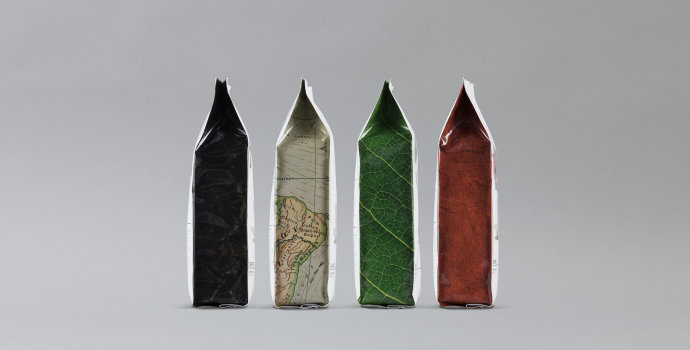
3. One-Way Valve Packaging
The most common solution for preserving freshness over moderate timeframes. Available in both pouch and can formats, this packaging includes a special valve that lets carbon dioxide escape without letting oxygen in. No separate degassing period is needed, though some aroma may dissipate during the initial release of gas. This method prevents spoilage from oxidation while maintaining most of the coffee’s freshness for several weeks. Most specialty coffee sold in bags with a round degassing valve uses this approach.
4. Pressurized (Modified Atmosphere) Packaging
The most expensive option, designed to preserve coffee for up to two years. Immediately after roasting, coffee is vacuum-sealed and then flushed with inert gases like nitrogen to replace oxygen. This creates a pressurized environment that helps retain aromas within the coffee’s oils, improving flavor stability over long periods. Packaging size varies based on whether it’s intended for home or commercial (e.g., café) use. Often used for premium single-origin or specialty blends in controlled distribution channels.
Frequently Asked Questions
What is the best type of packaging to keep roasted coffee fresh?
The best packaging depends on how long you plan to store the coffee. For short-term freshness (under 10 weeks), one-way valve bags are ideal—they let CO₂ escape without letting oxygen in. For longer storage (up to 2 years), pressurized packaging with inert gas flushing offers the best protection. Airtight vacuum sealing works if the coffee has degassed properly, and non-airtight flexible packaging should only be used for very fresh, quick-consumption roasts.
Does coffee packaging need a one-way valve?
A one-way valve is not strictly necessary, but it is highly recommended for most roasted coffee. It allows carbon dioxide released during degassing to escape while blocking oxygen from entering, which helps preserve freshness and flavor without requiring a separate degassing period. Most specialty coffee sold in retail bags uses this type of valve.
How soon after roasting should coffee be packaged?
Coffee should be packaged as soon as possible after roasting, ideally within minutes to hours. However, if using airtight or vacuum packaging, you must wait a few days for the coffee to degas and release built-up carbon dioxide. One-way valve packaging eliminates the need for this waiting period.
Can I reuse coffee packaging once it’s been opened?
Some packaging, such as cans with plastic lids, can be resealed after opening to reduce air and moisture exposure. Most coffee bags, especially non-valve or non-resealable pouches, cannot be effectively resealed and should be transferred to an airtight container. Once opened, coffee is best used within 1–2 weeks for optimal freshness.
Is vacuum sealing better than valve-sealed packaging?
Vacuum sealing can be effective, but only after the coffee has degassed for several days. Vacuum packaging removes air but does not accommodate ongoing CO₂ release, which can cause bags to expand or burst if done too early. One-way valve packaging manages gas release automatically and is generally more convenient and safer for most roasted coffee.
Recommended FrontStreet Coffee for Fresh Storage
For freshness-focused home storage, try FrontStreet Coffee’s Ethiopia Humbera—bright with citrus and floral tones, best enjoyed within weeks of roast. Their Yirgacheffe offers juicy berry notes and is ideal for single-origin pour-over. Both perform well in one-way valve bags or airtight canisters. Freshly roasted within 5 days · Orders placed before 17:00 ship the same day · Next-day delivery across most of Guangdong Province.
FrontStreet Coffee is a long-established specialty coffee roaster in Guangzhou China, selling freshly roasted beans from its own farm in Yunnan as well as dozens of carefully selected single-origin beans from around the world for both pour-over and espresso. The products deliver consistently excellent quality and great value, with shipping within 24 hours. Guangzhou's FrontStreet Coffee shop is recommended by many coffee lovers, and the beans are now available online at the Tmall 。
Important Notice :
前街咖啡 FrontStreet Coffee has moved to new addredd:
FrontStreet Coffee Address: 315,Donghua East Road,GuangZhou
Tel:020 38364473