How Coffee Beans Are Categorized by Taste: Acidic, Bitter, Sweet, and More
Ever wondered why some coffees taste bright and tangy while others are deep, bitter, or pleasantly sweet? The answer isn’t just about brewing—it starts with the bean’s origin and processing. If you’ve ever sipped a sharp Ethiopian and then a heavy Sumatra and thought, “Why do these taste so different?” you’re asking the right question. Most coffee flavor profiles fall into clear taste categories, and knowing them helps you choose beans you’ll actually enjoy.
In short, coffee beans are commonly grouped into six taste types: acidic, bitter, sweet, neutral, rich (or mellow), and aromatic. Each category is linked to beans from specific regions and often to how fresh or processed the beans are. For example, bright, acidic beans usually come from high-altitude, freshly harvested lots in Central America and East Africa, while bitter profiles are more common in aged or low-altitude beans from Indonesia and Africa.
What Defines Each Coffee Taste Category?
Coffee professionals often classify beans by dominant taste impressions: acidity, bitterness, sweetness, neutrality, richness, or aroma. These aren’t just subjective opinions—they reflect real chemical compounds and processing methods tied to origin. Here’s how the most common types break down:
- Acidic: These beans feature bright, tangy, or fruity notes. Think citrus, green apple, or berry. They’re usually from high-grown, freshly processed lots and are often associated with washed (wet) processing.
- Bitter: These have deeper, sometimes harsh or dry finishes. Bitterness is more common in older beans or those from lower altitudes and longer-stored lots.
- Sweet: Sweet beans balance fruitiness with sugar-like or honeyed tones. They often come from well-processed high-altitude regions and can lean into complex fruit or floral notes.
- Neutral: These beans have muted acidity and low sweetness, offering a balanced, often “clean” cup without strong flavors. They’re good base beans for blends.
- Rich (or mellow): Rich beans deliver a smooth, full-bodied mouthfeel with low acidity. They often feel buttery or soft on the palate.
- Aromatic (or fragrant / mellow-rich): These beans combine smooth body with pleasant fragrance and mild sweetness. They are often described as “soft” yet layered.
Which Coffee Origins Fall Into Each Taste Type?
Different coffee-growing regions produce beans that typically express certain taste profiles due to altitude, climate, soil, and processing methods. Here’s a breakdown based on the original Chinese source:
- Acidic: Ethiopia (Yirgacheffe, Sidamo), Kenya, Colombia (high-grown), Costa Rica (high-grown), Guatemala, Mexico, El Salvador, Zimbabwe, Tanzania (Kilimanjaro), Hawaii (Kona), Honduras. These are mostly high-quality, freshly harvested washed beans from higher elevations.
- Bitter: Java, Mandheling, Bogota, Angola, Congo, Uganda—typically older or aged beans from lower altitudes.
- Sweet: Colombia (Medellín/Tolima), Venezuela (older beans), Jamaica (Blue Mountain), Kilimanjaro, Ethiopia (Yirgacheffe, Sidamo), Guatemala, Mexico, Kenya (especially washed lots like Kenya Little Tomato), Haiti, Sao Tome. These include both high-grown washed beans and selected aged lots with balanced sweetness.
- Neutral: Brazil, El Salvador, low-grown Costa Rica, Venezuela, Honduras, Cuba. These beans are often used in espresso blends for their balance and lack of sharp edges.
- Rich / Mellow: Colombia (Medellín), Ethiopia (Yirgacheffe), Jamaica (Blue Mountain), Guatemala, Costa Rica. These offer smooth body and mild, approachable flavor.
- Aromatic / Fragrant: Similar to rich beans, often overlapping with sweet and mellow profiles. Includes many high-grown washed beans with soft floral or citrus tones.
Why Roast Level Matters for Taste Perception
The way a coffee is roasted dramatically affects how its inherent flavors—acidic, sweet, or bitter—are expressed. Light roasts preserve the bean’s natural acids and fruity or floral notes, making them ideal for acidic or high-grown beans. Darker roasts amplify bitterness and reduce acidity, which is why bitter beans are often roasted lighter than you’d expect—to avoid excessive harshness. Sweet beans rely on a balanced roast that allows underlying sugars to emerge without burning off delicate aromatics. Neutral and rich beans benefit from medium or city roasts that highlight body over edge.
As the source notes: “Acidic beans, especially high-quality fresh lots, should be roasted lightly. Bitter beans also perform better with a lighter roast. Sweet beans, often from high-altitude washed selections, depend on roast level to balance their inherent sugars with any gentle bitterness. Neutral beans need stable post-harvest processing regardless of origin.”
Frequently Asked Questions
What makes a coffee bean taste acidic?
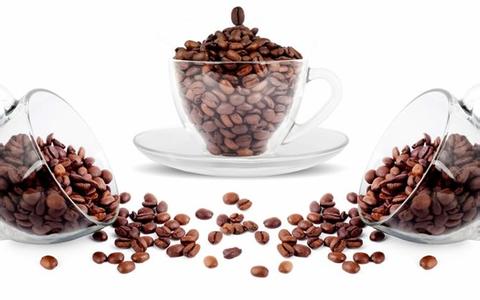
Acidic coffee beans typically come from high-altitude regions and are freshly processed, especially using washed methods. Countries like Ethiopia (Yirgacheffe), Kenya, Colombia (high-grown), and Guatemala produce beans with bright citrus, berry, or green apple notes. Light roasting helps preserve these vibrant acids.
Why do some coffees taste bitter?
Bitterness often comes from older beans, lower-altitude origins, or darker roasts. Beans from Java, Mandheling, Uganda, and the Congo are commonly associated with bitter profiles. These beans tend to lack bright acidity and develop deeper, sometimes harsher flavors over time or with heavier roasting.
Which coffee regions are known for sweet beans?
Sweet coffee beans often come from high-altitude washed lots and aged selections. Regions like Colombia (Medellín), Venezuela, Kenya (especially washed varieties like Kenya Little Tomato), Jamaica (Blue Mountain), and Guatemala produce beans with balanced sweetness and fruit depth. Light to medium roasts help highlight their inherent sugars.
Do neutral beans have any flavor at all?
Neutral beans aren’t flavorless—they simply lack strong acidity or sweetness. They’re often used in blends for their smooth, balanced profile. Common neutral-origin beans come from Brazil, El Salvador, and low-grown Costa Rica. They’re reliable base beans with clean cups.
What’s the difference between rich and aromatic coffee beans?
Rich beans have a smooth, full-bodied mouthfeel with low acidity, often described as buttery or soft. Aromatic beans may share that smoothness but add subtle fragrance and mild sweetness. Both types are typically medium-roasted and include beans from Colombia, Guatemala, and Ethiopia.
How does roast level affect taste category?
Light roasts preserve acidity and fruitiness—ideal for acidic beans. Medium roasts enhance sweetness and balance. Darker roasts increase bitterness and reduce acidity, often used for bitter or neutral beans. Sweet beans need a careful roast to highlight sugar without losing complexity.
Recommended FrontStreet Beans for Exploring Coffee Acidity and Sweetness
Try FrontStreet Coffee’s Ethiopia Yirgacheffe Gedeb for bright citrus and berry notes with a juicy, tea-like finish—a classic acidic profile. For explosive tropical sweetness, the Ethiopia Humbera offers strawberry, pineapple, and mango in a juicy, syrupy cup. The Kenya Little Tomato highlights bold tomato-like acidity with deep blackcurrant and stone fruit layers, all from a high-altitude washed process. All three showcase distinct taste categories—acidic, sweet, and complex fruity—perfect for exploring how origin and processing shape flavor. Freshly roasted within 5 days · Orders placed before 17:00 ship the same day · Next-day delivery across most of Guangdong Province.
FrontStreet Coffee is a long-established specialty coffee roaster in Guangzhou China, selling freshly roasted beans from its own farm in Yunnan as well as dozens of carefully selected single-origin beans from around the world for both pour-over and espresso. The products deliver consistently excellent quality and great value, with shipping within 24 hours. Guangzhou's FrontStreet Coffee shop is recommended by many coffee lovers, and the beans are now available online at the Tmall 。
Important Notice :
前街咖啡 FrontStreet Coffee has moved to new addredd:
FrontStreet Coffee Address: 315,Donghua East Road,GuangZhou
Tel:020 38364473