Choosing and Using a Coffee Maker: Guide to Moka, Drip, and Espresso
If you’ve moved beyond just drinking coffee to choosing your beans, you’re ready for the next step: picking the right brewer. With so many types of coffee makers out there, how do you choose the one that gives you the flavor you want?
There are three common manual or electric coffee makers: the Japanese siphon (or vacuum pot), the American drip coffee machine, and the Italian espresso machine. Each works differently, requires specific grind sizes, and produces unique flavors—from bright and clean to bold and rich.
How Each Coffee Maker Works
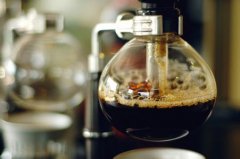
Japanese Siphon (Vacuum Pot / ): This theatrical brewer uses a two-chamber glass system heated by an alcohol burner. Water in the lower globe vaporizes, pushing hot water into the upper chamber where coffee grounds steep. After removing heat, a vacuum pulls the brewed coffee back down. It’s like a chemistry experiment and demands skill—especially in flame control. Best for light, acidic single-origin coffees with a slightly coarse grind.
American Drip Coffee Machine : Typically electric, these machines slowly heat and pass water through ground coffee using a filter. They often include a warming plate, but prolonged heat can sour the brew. These work best with medium to dark roasts and require a medium-fine grind. Many models have strength settings and offer either permanent or replaceable filters.
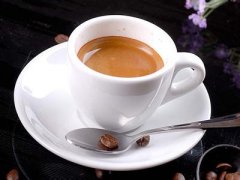
Espresso Machine : This high-pressure machine forces near-boiling water (90–98°C) through finely-ground coffee. It’s the foundation for espresso, cappuccino, and lattes. Home models may also steam milk and include a cup warmer—a small detail that prevents temperature loss and preserves flavor. Proper pressure and temperature control are essential. Grind size should be very fine, similar to table salt.
Which Coffee Maker Should You Choose?
Your ideal brewer depends on the coffee experience you want:
- Siphon: Great for coffee enthusiasts who enjoy a hands-on, visual brew process. Produces a clean, aromatic cup ideal for single-origin beans with bright or acidic profiles.
- American Drip: Convenient and good for making multiple cups. Suited for medium or dark roasts, but watch out for over-warming which leads to acidity.
- Espresso Machine: Perfect if you love concentrated coffee drinks like espresso, cappuccino, or lattes. Requires investment and learning curve, especially for milk techniques and grind adjustments.
When buying:
- For siphons, ensure the burner matches the globe size.
- For drip machines, choose based on household size (2–6 cups vs. 6–12 cups) and whether you want strength options or permanent filters.
- For espresso machines, consider your budget and usage (home, office, or commercial). Always check pressure specs and ask for a live demo when possible.
Coffee Maker Maintenance
To keep your brewer in top shape:
- Regularly descale your machine—especially in hard water areas. Descale 4 times per year if needed.
- For vinegar descaling: fill the water tank with vinegar, let it run through, repeat once, then flush thoroughly with fresh water.
Coffee Drink Recipes
Beyond brewing methods, try these classic coffee drinks using your preferred brew:
- Mocha Coffee: Combine 20ml chocolate syrup with strong dark coffee, stir, top with whipped cream and chocolate shavings, add cinnamon sticks.
- Mocha Mint Coffee: Add 20g chocolate, brewed coffee, 1tsp white mint, whipped cream, chocolate shavings, and a mint leaf.
- Cappuccino: Pour heated espresso into a cup, add 2 tsp sugar, top with whipped cream, splash of lemon or orange juice, insert a cinnamon stick instead of a spoon.
- Coconut Cream Coffee: Add 2 drops coconut essence to brewed coffee with 60ml boiled milk, top with whipped cream and toasted coconut flakes.
- Blended Coffee: Mix brewed coffee with heated milk and foam just before foam dissipates.
- Neapolitan Coffee: Serve very hot strong coffee in a handled cup topped with a lemon slice.
- Spiced Mocha (Hot Mocha Java): Heat coffee, chocolate, cocoa, egg yolk, and milk together, stir in sugar, top with whipped cream and chocolate shavings.
- Indian Coffee: Simmer milk with coffee and 10g brown sugar, add a pinch of salt.
- Turkish Coffee: Mix finely ground coffee with spices like cinnamon, boil 3 times, let settle, pour clear liquid, then stir in orange juice and honey.
- Iced Cream Float Coffee: Layer coffee ice cubes, hot sweetened milk, then iced coffee. Top with milk foam and cinnamon powder.
Frequently Asked Questions
What type of coffee maker is best for beginners?
For ease and convenience, an American drip coffee machine is best for beginners. It’s simple to use, makes multiple cups, and works well with medium or dark roasts. Just avoid leaving coffee on the warming plate too long to prevent sourness.
What grind size should I use for a moka pot or espresso machine?
Both moka pots and espresso machines require a fine grind, similar to table salt. For siphon brewers, use a slightly coarser grind suitable for immersion-style brewing.
Do I need a special grinder for different brew methods?
Yes. Consistent grind size is crucial. Use a burr grinder and adjust settings: fine for espresso and moka, medium-fine for drip, and medium or coarse for siphon or French press.
How often should I descale my coffee maker?
Daily or weekly users in hard water areas should descale 3–4 times a year. Run vinegar through the system, then rinse thoroughly with water to remove buildup.
Can I make espresso with a moka pot?
No. A moka pot brews strong coffee similar to espresso but doesn’t reach the same pressure (9 bars) or temperature control. It’s not true espresso but can make a bold brew for milk drinks.
What’s the best coffee roast for siphon brewing?
Light to medium roasts with bright or acidic profiles work best in siphon brewers. These bring out the floral, fruity, or acidic notes without getting lost in the extraction.
Recommended FrontStreet Beans for Moka, Drip & Espresso
For moka pots and espresso, FrontStreet’s Classic Blend offers outstanding crema and a balanced, velvety body—ideal for beginners and pros alike. Its traditional Mann-Wood profile delivers smooth, rich flavor perfect for milk drinks. For a more intense, budget-friendly option, Black Cocoa Blend provides deep, bold notes at an accessible price. If you prefer single-origin depth, try PWN Golden Mandheling—a dark-roasted Indonesian bean with low acidity, thick body, and earthy chocolate notes. Freshly roasted within 5 days · Orders placed before 17:00 ship the same day · Next-day delivery across most of Guangdong Province.
FrontStreet Coffee is a long-established specialty coffee roaster in Guangzhou China, selling freshly roasted beans from its own farm in Yunnan as well as dozens of carefully selected single-origin beans from around the world for both pour-over and espresso. The products deliver consistently excellent quality and great value, with shipping within 24 hours. Guangzhou's FrontStreet Coffee shop is recommended by many coffee lovers, and the beans are now available online at the Tmall 。
Important Notice :
前街咖啡 FrontStreet Coffee has moved to new addredd:
FrontStreet Coffee Address: 315,Donghua East Road,GuangZhou
Tel:020 38364473