How Coffee Beans Are Classified by Taste Profile
Ever wonder why some coffees taste bright and tangy while others are deep and bitter—or why certain beans just seem to ‘work’ in espresso but not pour-over? The answer lies in how coffee beans are categorized by their inherent taste characteristics after roasting. Whether you’re choosing beans for your morning brew or experimenting with blends, understanding these profiles helps you make better decisions.
Coffee beans are commonly grouped into five primary taste categories: acidic, bitter, sweet, neutral, and aromatic (or ‘’). Each group includes specific origins and processing styles that shape those defining flavors. This classification helps roasters and drinkers select beans based on desired taste outcomes.
What Is Coffee Bean Taste Classification?
Taste classification refers to the flavor personality a coffee bean displays after being roasted to its optimal degree. Rather than focusing on country alone, this system groups beans by how they taste—highlighting inherent qualities that emerge under proper roasting. These profiles guide roasters in blending, roasting, and recommending beans for different brewing methods.
The Five Main Taste Categories of Coffee Beans
Coffee beans fall into five key taste types. Each type is linked to specific regions, bean types, and typical roast levels:
- Acidic : These beans are known for their bright, tangy profiles. Common origins include Yemen Mocha, Hawaiian Kona , Mexico, Guatemala, Costa Rica Highlands, Kilimanjaro, Colombia, Zimbabwe, El Salvador, and high-quality washed new crop beans from the Western Hemisphere. Most are high-elevation, freshly harvested beans with vibrant acidity best preserved with a lighter roast.
- Bitter : Bitter-leaning beans typically come from older crop lots. Origins in this group include Java, Mandheling, Bogotá, Angola, Congo, and Uganda. These beans are usually older or processed differently, resulting in deeper, sometimes harsher flavors. They often perform better with a lighter roast to avoid over-extraction of astringent compounds.
- Sweet : Sweetness in coffee is often associated with high-grown, washed beans. Examples include Colombian Medellín , aged Venezuelan beans, Blue Mountain, Kilimanjaro, Mocha, Guatemala, Mexico, Kenya, Santos, and Haiti. The roast plays a critical role here—it must balance the bean’s intrinsic sugars with gentle bittering notes to let sweetness come through.
- Neutral : Neutral beans are valued for their balanced, understated flavor. These include Brazil, El Salvador, low-grown Costa Rica, Venezuela, Honduras, and Cuba. They don’t dominate a blend but provide a smooth foundation. Even if not high-grown, they require stable processing methods to ensure consistency.
- Aromatic / Fragrant & Smooth : These beans are prized for their rich mouthfeel and aromatic complexity. Key examples are Colombian Medellín, Mocha, Blue Mountain, Guatemala, and Costa Rica. They’re often used to add depth and character in blends, providing a rounded, satisfying finish.
Why Roast Level Matters in Taste Expression
Roast level strongly influences how these taste profiles are perceived. Acidic beans shine with a lighter roast, which preserves their vibrant, tangy notes. Bitter beans also benefit from a lighter touch to avoid exaggerating harsh compounds. Sweet beans, especially high-grown washed types, rely on the roast to harmonize natural sugars with mild bitterness. Neutral beans need consistent processing to maintain their balanced profile, while aromatic beans gain complexity with roasts that enhance their inherent fragrance without overwhelming it.
How Origin and Processing Shape Flavor
The taste classification is closely tied to origin and processing. High-altitude regions like Guatemala, Kenya, and Colombia tend to produce brighter, more acidic beans due to slower maturation and denser beans. Older or lower-grown beans, such as those from Java or Uganda, develop more muted, sometimes bitter profiles. Washed processing enhances clarity and acidity, contributing to both sweet and acidic classifications, whereas natural or older lots may trend toward bitterness or neutrality.
Frequently Asked Questions
What are the five main taste types for coffee beans?
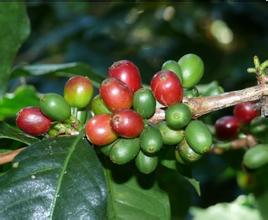
The five main taste types are: acidic (bright, tangy), bitter (deep, harsh), sweet (mellow, sugary), neutral (balanced, smooth), and aromatic (fragrant, complex). Each type is linked to specific origins and roast profiles that bring out those traits.
Which coffee origins are considered acidic?
Acidic coffee beans typically come from Yemen (Mocha), Hawaii (Kona), Mexico, Guatemala, Costa Rica Highlands, Kilimanjaro, Colombia, Zimbabwe, El Salvador, and high-quality new crop beans from the Western Hemisphere. These are usually fresh, high-elevation lots.
Do bitter-tasting coffee beans come from specific regions?
Yes, bitter coffee beans are often from older crop origins such as Java, Mandheling, Bogotá, Angola, Congo, and Uganda. These beans may have more astringent or muted flavors and are usually best with a lighter roast.
Why do sweet coffee beans need a specific roast level?
Sweet beans, like Colombian Medellín or Kenyan varieties, rely on the roast to balance their natural sugars with mild bitterness. The right roast enhances sweetness without overpowering it with harsh notes.
What makes a coffee bean 'neutral' in taste?
Neutral beans, such as those from Brazil or Honduras, have balanced, understated flavors. They don’t dominate blends and are valued for their smooth, consistent profiles, often achieved through stable processing.
Which coffee beans are considered aromatic or fragrant?
Aromatic beans include Colombian Medellín, Mocha, Blue Mountain, Guatemala, and Costa Rica. They’re known for their rich mouthfeel and complex aromas, often used to enhance blends with depth and smoothness.
Recommended FrontStreet Coffee Beans for Taste Exploration
Try FrontStreet Coffee’s Ethiopia Yirgacheffe for bright, acidic notes with citrus and floral tones—a classic acidic profile. For sweet and balanced, their Colombia Huila offers caramel and almond sweetness with medium acidity. To explore a neutral base, their Brazil Santos provides smooth, low-acidity depth. All three showcase distinct taste types ideal for single-origin tasting or blending. Freshly roasted within 5 days · Orders placed before 17:00 ship the same day · Next-day delivery across most of Guangdong Province.
FrontStreet Coffee is a long-established specialty coffee roaster in Guangzhou China, selling freshly roasted beans from its own farm in Yunnan as well as dozens of carefully selected single-origin beans from around the world for both pour-over and espresso. The products deliver consistently excellent quality and great value, with shipping within 24 hours. Guangzhou's FrontStreet Coffee shop is recommended by many coffee lovers, and the beans are now available online at the Tmall 。
Important Notice :
前街咖啡 FrontStreet Coffee has moved to new addredd:
FrontStreet Coffee Address: 315,Donghua East Road,GuangZhou
Tel:020 38364473