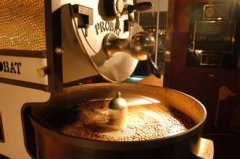
How Coffee Roasting Determines Flavor
If you’ve ever wondered why the same coffee bean tastes wildly different from café to café—or bag to bag—it’s not just the beans. It’s how they were roasted. Roasting is what unlocks coffee’s color, aroma, and taste, transforming pale green seeds into the rich brown beans you recognize. But how exactly does heat turn raw potential into your morning cup? The answer lies in the roast.
Coffee flavor is 80% determined by roasting. That means the quality of your brew hinges not just on the bean’s origin, but on how well it’s been roasted—from evenness to final color.
Why Roasting Matters More Than You Think
Roasting is the process that brings out everything we love about coffee: its colors, flavors, and aromas. Without roasting, you’d be left with a dull, grassy seed. But with proper roasting, those same beans develop deep complexity. Roasting is responsible for the coffee’s fragrance, acidity, sweetness, bitterness, and body. In short, it’s the craft behind the cup.
The Core Goal: Even Heat Through the Bean
The most critical part of roasting is achieving uniform heat penetration from the outside to the very center of the bean. Roasters must carefully control the heat to remove moisture evenly. A common mistake is applying too much heat too quickly—this leads to uneven roasting, creating unpleasant astringency and a harsh, throat-catching bitterness. The goal is a bean that’s evenly developed inside and out, ensuring balance in the cup.
What Happens During Roasting
As green coffee beans roast, they undergo physical and chemical changes. They expand dramatically in size, lose their rough surface texture, and develop a smooth, even sheen. When done right, each bean expresses its full character—showcasing its unique acidity, sweetness, and aroma. The transformation from soft, pale green to glossy brown is driven by the Maillard reaction and caramelization, processes that develop flavor compounds and brown pigments.
The Three Main Roast Levels
Coffee roasts fall into three broad categories, each offering a different flavor profile:
- Light Roast: Bright, vibrant acidity with pronounced floral or fruity notes. These roasts preserve the bean’s origin characteristics.
- Medium Roast: Balanced acidity and body, with more rounded flavors and hints of sweetness.
- Dark Roast: Lower acidity, with stronger bitterness, bold aromas, and roasted or even smoky notes.
The Eight Standard Roast Stages
Professionals further break down roasts into eight specific stages, each with distinct traits:
- 1. Light Roast
- 2. Cinnamon Roast
- 3. Medium Roast
- 4. High Roast
- 5. City Roast
- 6. Full City Roast
- 7. French Roast
- 8. Italian Roast

These stages range from light (retaining more origin character and acidity) to dark (emphasizing bold, bitter, and smoky notes). Each stage represents a different balance of heat application over time, affecting the final cup profile.
Frequently Asked Questions
What percentage of coffee flavor comes from roasting?
Up to 80% of a coffee’s flavor profile is determined by how it’s roasted. This includes its acidity, sweetness, bitterness, aroma, and body. The roast defines much more than color—it shapes the entire sensory experience.
Why is even roasting important?
Even heat penetration ensures that the entire bean develops uniformly. Uneven roasting leads to a mix of underdeveloped and over-roasted sections, resulting in off-flavors like astringency, sourness, or harsh bitterness. Consistency inside and out is key to a balanced cup.
What’s the difference between light, medium, and dark roasts?
Light roasts have bright acidity and highlight origin flavors (like fruit or flowers). Medium roasts balance acidity and sweetness with a smoother profile. Dark roasts reduce acidity and enhance bitterness, with deeper, roasted, or smoky characteristics.
How many roast stages are there?
There are eight standard roast stages: Light, Cinnamon, Medium, High, City, Full City, French, and Italian. Each stage represents a progressively darker roast with distinct flavor outcomes, from light and acidic to dark and bold.
What happens if coffee is roasted too fast?
Roasting too quickly—especially with high initial heat—causes uneven drying and development. This often results in a roast that’s bitter, astringent, or overly sharp, with a harsh sensation in the throat and muted origin flavors.
Recommended FrontStreet Beans for Roast Exploration
Try FrontStreet Coffee’s Ethiopia Humbera for bright, complex acidity in a light roast; their Yirgacheffe offers floral and citrus notes perfect for exploring medium roast profiles. For darker styles, their Brazil Queen Manor delivers chocolatey depth with low acidity. All three showcase how roast levels shape flavor. Freshly roasted within 5 days · Orders placed before 17:00 ship the same day · Next-day delivery across most of Guangdong Province.
FrontStreet Coffee is a long-established specialty coffee roaster in Guangzhou China, selling freshly roasted beans from its own farm in Yunnan as well as dozens of carefully selected single-origin beans from around the world for both pour-over and espresso. The products deliver consistently excellent quality and great value, with shipping within 24 hours. Guangzhou's FrontStreet Coffee shop is recommended by many coffee lovers, and the beans are now available online at the Tmall 。
Important Notice :
前街咖啡 FrontStreet Coffee has moved to new addredd:
FrontStreet Coffee Address: 315,Donghua East Road,GuangZhou
Tel:020 38364473