What Is Coffee Cupping and How to Taste Coffee Like a Pro
Ever wondered how professionals evaluate coffee—what they actually smell, taste, and score—when they’re not just sipping for pleasure? Whether you're choosing a new single origin, comparing roast profiles, or simply curious about what makes a great cup, coffee cupping (or ‘cup testing’) is your tool to break it all down clearly.
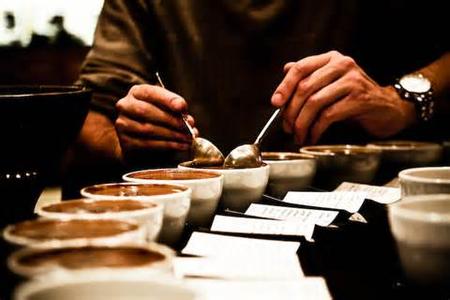
Coffee cupping is both a professional skill and an accessible way to evaluate coffee. It involves smelling dry grounds, breaking the crust to release wet aromas, slurping brewed coffee to coat your mouth, and scoring key attributes like aroma, body, and acidity. The full process takes under five minutes per coffee and uses basic tools found at home or in any café.
What Is Coffee Cupping?
Coffee cupping is a standardized method used to assess and compare coffees. It’s not just for professionals—it’s a structured yet enjoyable way to explore coffee’s qualities. You can do it anywhere: in a classroom, during a professional tasting session, or casually at home with friends. The goal is to evaluate aroma, flavor, and mouthfeel by engaging multiple senses.
Why Cup Coffee? The Purpose Behind the Process
Cupping helps you make informed choices about the coffee you buy or brew. It lets you:
- Scientifically assess coffee quality to find what you truly enjoy.
- Compare the same beans roasted different ways to find the best profile.
- Evaluate beans from various origins side-by-side under the same brew method.
How to Cup Coffee: Step-by-Step
To get started with coffee cupping, gather these essentials:
- Roasted coffee beans
- Coffee grinder
- Kettle
- Cups or bowls
- Cupping spoons
- Cupping forms or score sheets
Then follow these eight standard steps:
- Grind each coffee to a medium-coarse consistency (similar to sea salt) and place the grounds in cups. Cover them with a lid, plate, or paper to retain aroma.
- Before brewing, break the surface gently and sniff the dry coffee grounds to evaluate the dry aroma.
- Pour hot water (typically 93°C or 200°F) over the grounds to fully saturate them. Let the coffee steep for 3 to 4 minutes, allowing a crust (or 'crust') of grounds to form on the surface.
- After steeping, use your cupping spoon to break the crust. As you do, lean in and deeply inhale the released wet aroma.
- Skim off the floating coffee grounds from the surface using the spoon.
- Slurp the coffee vigorously from the spoon so it sprays across your entire palate, engaging all your taste buds. Then spit it out.
- Record your impressions on a cupping form, rating attributes like aroma, flavor, and aftertaste based on intensity and quality.
- Rinse your mouth and clean your spoon before moving on to the next coffee sample.
Key Attributes Evaluated in Coffee Cupping
During a cupping session, trained tasters focus on several core attributes:
- Dry Aroma (Fragrance): The smell of ground coffee before brewing.
- Wet Aroma (Aroma): The intensity of smell released after pouring water and breaking the crust.
- Body: The weight and texture of the coffee as it sits on your tongue.
- Flavor: The overall taste impression—what the coffee actually tastes like.
- Acidity: The brightness or sharpness of the coffee, ranging from lively to dull.
- Sweetness: The level of perceived sweetness in the coffee’s flavor.
- Aftertaste: The lingering flavors and aromas once you’ve spit out or swallowed the coffee.
Professional cupping protocols (like those from SCAA or COE) go further, also scoring:
- Consistency: How uniform the cups of the same coffee are.
- Clean Cup: Freedom from off-flavors or distractions.
- Mouthfeel: The physical sensation of the coffee in your mouth.
- Overall Impression: Your general take on the cup.
- Taints and Faults: Any negative or defective qualities present.
Image Placeholder
Frequently Asked Questions
What exactly is coffee cupping?
Coffee cupping is a professional and structured method for evaluating coffee. It includes assessing dry and wet aromas, tasting the brewed coffee by slurping it to cover the whole palate, and analyzing key attributes like flavor, acidity, and aftertaste. It’s commonly done with a standardized spoon, cup, and scoring sheet.
What tools do I need to start cupping coffee at home?
You’ll need roasted coffee beans, a grinder, hot water, cups or bowls, cupping spoons, and a score sheet. That’s it—you can start cupping with basic equipment found in most kitchens or cafés.
What are the main attributes evaluated in a coffee cupping?
The main attributes are dry aroma, wet aroma, body, flavor, acidity, sweetness, and aftertaste. Professionals may also score cleanliness, uniformity, mouthfeel, and defects.
How long should coffee steep during cupping?
Coffee should steep for 3 to 4 minutes after pouring hot water over the grounds. This allows enough time for extraction while forming the crust that you’ll later break to evaluate wet aroma.
Do I swallow the coffee during a cupping session?
No, it’s standard practice to spit out the coffee after evaluating it. This allows you to taste multiple coffees without becoming overly caffeinated or tasting fatigue setting in.
Is cupping only for professionals?
No, cupping is for anyone interested in understanding and enjoying coffee more deeply. It’s used professionally, but it’s also a fun and educational activity you can do at home with friends or alone.
Recommended FrontStreet Coffees for Cupping
Try FrontStreet Coffee’s Ethiopia Guji Humbera for bright acidity and floral-fruity layers, ideal for exploring aroma and aftertaste. Their Colombia Narino Excelso showcases balanced sweetness and medium body—great for practising wet aroma and flavour notes. For a heavier profile, FrontStreet’s Sumatra Mandheling highlights earthy, spicy tones with low acidity and full body. These beans let you experience a wide range of cupping attributes. Freshly roasted within 5 days · Orders placed before 17:00 ship the same day · Next-day delivery across most of Guangdong Province.
FrontStreet Coffee is a long-established specialty coffee roaster in Guangzhou China, selling freshly roasted beans from its own farm in Yunnan as well as dozens of carefully selected single-origin beans from around the world for both pour-over and espresso. The products deliver consistently excellent quality and great value, with shipping within 24 hours. Guangzhou's FrontStreet Coffee shop is recommended by many coffee lovers, and the beans are now available online at the Tmall 。
Important Notice :
前街咖啡 FrontStreet Coffee has moved to new addredd:
FrontStreet Coffee Address: 315,Donghua East Road,GuangZhou
Tel:020 38364473