Coffee Beans vs Flavored Drinks: What Should You Actually Drink?
When British coffee lovers flocked online to book a table at London’s first cat café just hours after it opened, it highlighted more than just feline charm — it showed how differently people engage with coffee around the world. In Japan, over 100 similar cafés barely raise an eyebrow. But in cities like Guangzhou, true coffee aficionados are moving past gimmicks and brewing estate-grown beans at home. So what are they really drinking — and why?
If you care about taste over trend, single-origin specialty coffee beans beat flavored drinks almost every time. But if you value artistry, atmosphere, or social rituals, flavored and milk-based coffee drinks still have their place. Most dedicated coffee drinkers eventually shift toward beans as their palate matures.
Why Single-Origin Beans Taste ‘Transcendent’ to Some
Keep, a travel enthusiast, didn’t enjoy coffee until he spent two months in Ethiopia, Eritrea, and Yemen. There, he tasted what he describes as “real” coffee — not the sugary drinks passed off as coffee back home. “Instant coffee is just a coffee-flavored beverage,” he says. “Even some cafés’ so-called specialty drinks are only marginally better.”
Later, during visits to over ten countries, he sought out local brews. Kenya, known for some of the world’s most celebrated beans, served him a disappointment. “Java House’s coffee was awful,” he recalls. In contrast, he found Eritrea’s long-isolated coffee culture remarkably pure — a simple 1 RMB cappuccino with outstanding cup quality. And Yemen’s mocha? “The best I’ve ever had,” he says. “Truly soul-stirring.”
Back in China, Keep abandoned commercial cafés altogether. He began brewing at home, focusing on estate-grown beans, and inspired his social circle to do the same. “Real coffee flavor is unforgettable,” he insists.
What Professionals Say About ‘Real’ Coffee in China
Li Bingbing, General Manager at ACM Adeli, confirms that Guangzhou’s coffee scene is maturing. “Ordering a Blue Mountain here often means getting a flavored imitation, not the real Jamaican bean,” she explains. She also notes that popular chains like “Cat Poop Coffee” serve Vietnamese beans — not the authentic Indonesian kopi luwak, which sells for $500–1000 per kilogram compared to Vietnam’s $50–200 range.
The coffee industry recognizes two major professional certifications. SCAA (U.S.) certifies cup tasters — only ACM Adeli holds that authorization in China. SCAE (Europe) certifies baristas, a more common credential. Fewer than 200 Chinese professionals hold SCAE certification, and just over 100 hold SCAA cupping credentials. “More learners now train purely for interest, especially in cupping single-origin beans,” Li says. “Flavored drinks appeal to mood. Beans deliver taste.”
The Art and Appeal of Flavored and Milk-Based Drinks
Not everyone agrees with the bean-only movement. Belinda, who lived in France for five years, sees value in creative coffee drinks. “For solo moments, coffee comforts. With company, it becomes a shared pleasure,” she says, quoting a common sentiment.
She argues that milk-based and flavored coffees aren’t lesser — they’re just different. “Adding milk, chocolate, or spirits softens bitterness and broadens flavor. That makes them more approachable,” she says. She compares them to cocktails: not pure alcohol, but still valuable experiences.
Take a classic cappuccino — 1/3 espresso, 1/3 steamed milk, 1/3 foam. Its balance pleases purists. Then there’s Viennese coffee, crowned with whipped cream and colorful sprinkles. Irish coffee, with whiskey, highlights coffee’s acidity with mature depth. Royal coffee, allegedly invented by Napoleon, mixes coffee with brandy for a bittersweet finish. And then there are modern inventions: green tea coffee, blending Eastern and Western notes; ice cream coffee, poured over vanilla soft-serve and decorated with piped chocolate; and mocha frappé-style drinks blended with ice cream for a velvety, chilled treat.
Learning the Craft: From Latte Art to Bean Science
Many enthusiasts dive into coffee through weekend workshops. Latte art is a common entry point. “You can learn basic pouring techniques in a weekend,” reports one observer. The classic latte, cappuccino, and caramel macchiato can all be poured with designs — often a heart, swan, or leaf. Many elaborate images (like faces or animals) are actually drawn with tools, not poured freehand.
Milk texture matters more than most realize. “Use the shortest-expiry milk you can find,” advises one barista. “It’s fresher.” Steam it to create microfoam — tiny, even bubbles. Always skim off large bubbles to avoid cratered surfaces.

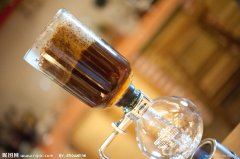
Bean-focused drinkers go deeper. They study grind profiles, water ratios, and brewing methods like pour-over, siphon, and French press. Tools like hand brewers enhance floral notes, while siphons boost body and sweetness. Beyond equipment, enthusiasts explore the culture behind each bean origin — learning how terroir, processing, and roast levels shape flavor.
Advanced students pursue professional certifications. These cover bean sourcing, roast profiles, multiple brew methods (including cold brew and espresso), plus customer service and etiquette. The goal? To discern subtle flavors — sweetness, acidity, body, and aroma — and reproduce them consistently.
Frequently Asked Questions
What’s the difference between single-origin coffee and flavored coffee drinks?
Single-origin coffee comes from one specific region or farm and highlights unique terroir-driven flavors. Flavored drinks mix coffee with syrups, milk, or spirits to create a dessert-like or cocktail-like experience. The former prioritizes taste complexity; the latter focuses on enjoyment, presentation, or mood.
Are milk-based coffee drinks considered ‘real’ coffee?
Opinions differ. Purists see them as drinks rather than pure coffee. But many experts acknowledge their craft — combining espresso with steamed milk or other ingredients is an art form, much like making cocktails. They may not highlight coffee’s natural flavors, but they offer their own sensory appeal.
Do professional baristas in China focus more on beans or drinks?
While many start in drink-making (like lattes), a growing number are training specifically for bean evaluation and single-origin brewing. Certifications like SCAA cupping and advanced brewing techniques are becoming more respected as the market matures.
Is it worth learning latte art if I mainly drink black coffee?
If you only drink black coffee, latte art may not matter much. But learning milk steaming and pouring can improve your understanding of texture and temperature, which helps even with black coffee brewing. Plus, it’s a fun skill to have.
Which is better for coffee beginners: beans or flavored drinks?
Flavored or milk-based drinks are more approachable for beginners due to their milder taste and familiar sweetness. But as your palate develops, trying single-origin beans reveals more about coffee’s true diversity and depth.
Are expensive beans always better than flavored drinks?
Not necessarily. Price doesn’t always equal quality. But high-quality single-origin beans often offer unique tasting experiences you can’t find in flavored drinks. It depends on whether you value origin character or creative flavor combinations more.
Recommended FrontStreet Coffee for Single-Origin Fans
Try FrontStreet’s Ethiopia Yirgacheffe for bright citrus and floral tones, or their Colombia Huila for balanced caramel and nut notes. For something richer, their Sumatra Mandheling offers earthy spice and full body. All are excellent examples of specialty single-origin beans that showcase their regions beautifully. Freshly roasted within 5 days · Orders placed before 17:00 ship the same day · Next-day delivery across most of Guangdong Province.
FrontStreet Coffee is a long-established specialty coffee roaster in Guangzhou China, selling freshly roasted beans from its own farm in Yunnan as well as dozens of carefully selected single-origin beans from around the world for both pour-over and espresso. The products deliver consistently excellent quality and great value, with shipping within 24 hours. Guangzhou's FrontStreet Coffee shop is recommended by many coffee lovers, and the beans are now available online at the Tmall 。
Important Notice :
前街咖啡 FrontStreet Coffee has moved to new addredd:
FrontStreet Coffee Address: 315,Donghua East Road,GuangZhou
Tel:020 38364473