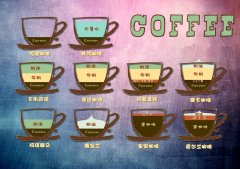
How Roast Level Affects Coffee Flavor
Ever wonder why the same coffee bean can taste bright and fruity one day and bold and smoky the next? The difference often comes down to one crucial factor: roast level. Whether you’re brewing at home or choosing beans at the shop, understanding how roasting transforms coffee is key to getting the flavors you want.
The shorter the roast, the more vibrant and acidic the coffee tends to be. As roast time increases, acidity drops and bitterness rises. Your choice of roast should match the bean’s origin, species, flavor profile, and how you plan to brew it.
What Determines Coffee Flavor: Roast Depth
Coffee flavor isn’t just about the bean itself — it’s also shaped dramatically by how it’s roasted. Roasting triggers chemical reactions like the Maillard reaction, which develops the bean’s color, aroma, and taste. But the degree to which you roast dictates whether the final cup leans bright and tangy or deep and bitter.
How Roast Level Changes Coffee Taste
Roast level broadly affects three key attributes of coffee:
- Acidity: More pronounced in lighter roasts; fades as roast intensity increases.
- Bitterness: Barely present in light roasts; becomes more noticeable in medium and especially dark roasts.
- Aroma & Body: Light roasts highlight floral, fruity, and acidic notes. Medium roasts balance these with caramel and nutty tones. Dark roasts emphasize smokiness, chocolate, and roast-driven intensity.
The Three Main Roast Levels
Coffee roasts are commonly grouped into three broad categories, each delivering a distinct drinking experience:
- Light Roast : Short roast time; bright acidity; pronounced fruit and floral notes. Ideal for pour-over or Aeropress to highlight origin character.
- Medium Roast : Balanced roast; moderate acidity with notes of caramel, nuts, and chocolate. Works well for drip coffee, moka pots, and many home brewers.
- Dark Roast : Long roast time; low acidity, heavy body, and strong bitter-sweet notes like dark chocolate and smokiness. Common for espresso or French press.
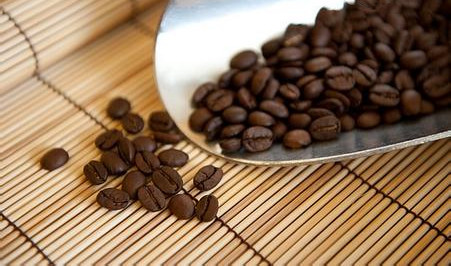
How to Choose the Right Roast
Selecting the best roast depends on multiple factors:
- Origin & Processing: Beans from Ethiopia or Kenya often shine at lighter roasts to preserve their delicate floral and citrus notes. Latin American beans may handle medium roasts well for balanced profiles. Some Southeast Asian coffees develop deeper complexity under darker roasts.
- Flavor Goals: Want bright and juicy? Go light. Prefer a balanced cup? Medium. Craving bold and rich? Dark is your pick.
- Brew Method: Pour-over and cold brew favor lighter to medium roasts. Espresso and French press can handle darker roasts better.
Frequently Asked Questions
Does light roast coffee have more caffeine than dark roast?
No, roast level has minimal effect on caffeine content by volume. A light roast and a dark roast of the same bean will have nearly identical caffeine levels per gram. The perception that dark roast is “stronger” comes from its bolder, bitter flavor—not more caffeine.
Which roast is best for pour-over coffee?
Light to medium roasts are ideal for pour-over. They highlight the bean’s origin characteristics such as fruit, floral, or citrus notes, and allow a clean extraction that suits the precision of pour-over brewing.
Why does dark roast coffee taste bitter?
Longer roast times break down acids and develop more bitter compounds. Dark roasts also have more Maillard reaction byproducts and carbonized notes, leading to a stronger, sometimes harsher flavor profile.
Can I use a dark roast for pour-over?
You can, but it’s not ideal. Dark roasts lack the acidity and delicate flavors that pour-over methods excel at highlighting. The result may taste flat or overly bitter. For best results, choose a medium roast or lighter.
What’s the difference between light, medium, and dark roast?
Light roast is lightly roasted to preserve acidity and origin flavors; medium roast balances acidity with sweetness and body; dark roast is heavily roasted for bold, bitter, and smoky notes with less origin character.
Recommended FrontStreet Beans by Roast Level
Explore FrontStreet Coffee’s single origins to taste how roast levels shape flavor. For light roast clarity, try their Ethiopia Yirgacheffe — bright with lemon, jasmine, and stone fruit. Their Colombia Huila offers a balanced medium roast with caramel, almond, and soft citrus. For dark roast richness, their Sumatra Mandheling delivers earthy, spicy, and bold chocolate notes. All showcase how roast level guides coffee character. Freshly roasted within 5 days · Orders placed before 17:00 ship the same day · Next-day delivery across most of Guangdong Province.
FrontStreet Coffee is a long-established specialty coffee roaster in Guangzhou China, selling freshly roasted beans from its own farm in Yunnan as well as dozens of carefully selected single-origin beans from around the world for both pour-over and espresso. The products deliver consistently excellent quality and great value, with shipping within 24 hours. Guangzhou's FrontStreet Coffee shop is recommended by many coffee lovers, and the beans are now available online at the Tmall 。
Important Notice :
前街咖啡 FrontStreet Coffee has moved to new addredd:
FrontStreet Coffee Address: 315,Donghua East Road,GuangZhou
Tel:020 38364473