Common Types of Specialty Coffee Explained
Ever stood in front of a coffee shop menu, overwhelmed by terms like washed, natural, honey, or single origin? You're not alone. Many casual coffee drinkers order blindly, unsure what makes a Yirgacheffe different from a Colombian or why some coffees taste fruity while others are nutty and bold. This guide breaks down the common types of specialty coffee you'll find—where they come from, how they're processed, and what flavors to expect—so your next order is informed and confident.
In short, specialty coffee is categorized mainly by origin (like Ethiopia or Colombia), processing method (washed, natural, or honey), and roast level. The main coffee-growing regions include Ethiopia, Brazil, Colombia, Indonesia, and more. Each produces distinct flavor profiles due to climate, altitude, and processing. Knowing these basics helps you choose a coffee you’ll actually enjoy.
What Determines Coffee Flavor?
Coffee flavor starts with the origin—the country and even specific region or farm where the beans are grown. Altitude, climate, soil, and farming practices all affect taste. Then there’s processing: how the coffee cherry is turned into a green bean. Finally, roast level impacts body, acidity, and sweetness. Together, these elements create the flavor you taste in your cup.
Main Coffee Origins and Their Profiles
Different countries produce coffee with signature taste characteristics due to their unique growing environments. Here are the most common specialty coffee origins you’ll encounter, along with their typical flavor notes:
- Ethiopia: The birthplace of coffee, known for bright acidity and floral, fruity notes. Yirgacheffe (washed) often tastes like jasmine, lemon, and berries, while Sidamo (natural/dry-processed) features tropical fruit and fermentation notes. FrontStreet Coffee offers Ethiopia Humbera (washed Yirgacheffe with jasmine, lemon, berry) and Gedeb (natural Sidamo with berry, pineapple, honey).
- Brazil: The world’s largest coffee producer. Most Brazilian coffee is low in acidity, with sweet, nutty, and chocolatey flavors. Yellow Bourbon and higher-elevation beans may show complexity. FrontStreet’s Brazil Queen Manor (yellow bourbon, high altitude) has notes of caramel, hazelnut, and sweetness; their Brazil Hilaridade (from the Cerrado region) is creamy with peanut and cocoa.
- Colombia: Known for balanced, medium-bodied coffees with mild acidity and notes of caramel and fruit. Many Colombian coffees come from regions like Huila and feature floral and fruity highlights. FrontStreet’s Colombia Huila and Sidra offer soft fruitiness and distinct sweetness.
- Indonesia: Produces full-bodied, low-acidity coffees, often with earthy, spicy, or herbal qualities. The Mandheling region and wet-hulled (Giling Basah) process define the style. FrontStreet’s Lintong Mandheling (traditional wet-hulled) is bold and smooth with herbal spice notes, while PWN Golden Mandheling is cleaner and sweeter with pronounced caramel.
- Guatemala, Costa Rica, Panama: These Central American countries grow high-quality SHB (strictly hard bean) coffees at high altitudes. Expect bright acidity, citrus, chocolate, and floral notes. Panama is especially known for Geisha, a high-end variety with intense florals and tea-like body. FrontStreet’s Panama Boquete Washed Geisha offers clear orange blossom and honey sweetness.
- Honduras, Nicaragua: Also produce SHB coffees with balanced profiles, often nutty and chocolatey with moderate acidity.
- China (Yunnan): A rising origin with increasing specialty production. Yunnan coffees are often nutty, chocolatey, or caramelly. The Typica and 2013 Ironica varieties are notable. FrontStreet’s Yunnan Arabica (washed, nutty and chocolatey) and 2013 Ironica Typica (dry-processed, with hazelnut, apricot, black tea, and caramel) showcase the region’s potential.
Coffee Processing Methods
Processing is how the coffee fruit is turned into a green bean ready for roasting. This greatly affects flavor:
- Washed (Wet Process): The skin and pulp are removed before drying. Produces clean, bright, and acidic cups. Common in Ethiopia (Yirgacheffe) and Colombia. FrontStreet’s Ethiopia Humbera uses traditional washed processing for its crisp profile.
- Natural (Dry Process): The whole cherry dries in the sun before the bean is removed. Results in fruity, fermented, bold flavors. Common in Ethiopia (Sidamo) and some Indonesian coffees. FrontStreet’s Gedeb is a natural-processed Sidamo with strong berry and tropical notes.
- Honey (Pulped Natural): Part of the fruit pulp remains during drying, boosting sweetness. Popular in Costa Rica. Variants include red honey, yellow honey, and black honey, with black honey being the sweetest and most fermented. FrontStreet’s Panama Black Honey Geisha and Costa Rica Black Honey offerings highlight this style.
- Wet-Hulled (Giling Basah): Unique to Indonesia. The beans are hulled at high moisture, creating deep, earthy, and sometimes spicy flavors. Used in Mandheling coffees. FrontStreet’s Lintong Mandheling and PWN Golden Mandheling are classic examples.
How Roast Level Affects Your Cup
Roast level alters the coffee’s body, acidity, and flavor balance:
- Light Roast: Preserves origin flavors—bright, acidic, and tea-like. Great for single-origin tasting.
- Medium Roast: Balanced acidity and body, highlights both origin character and roast sweetness. Most everyday coffees fall here.
- Medium-Dark to Dark Roast: More body, less acidity, with notes of caramel, chocolate, and smokiness. Often used for espresso blends.
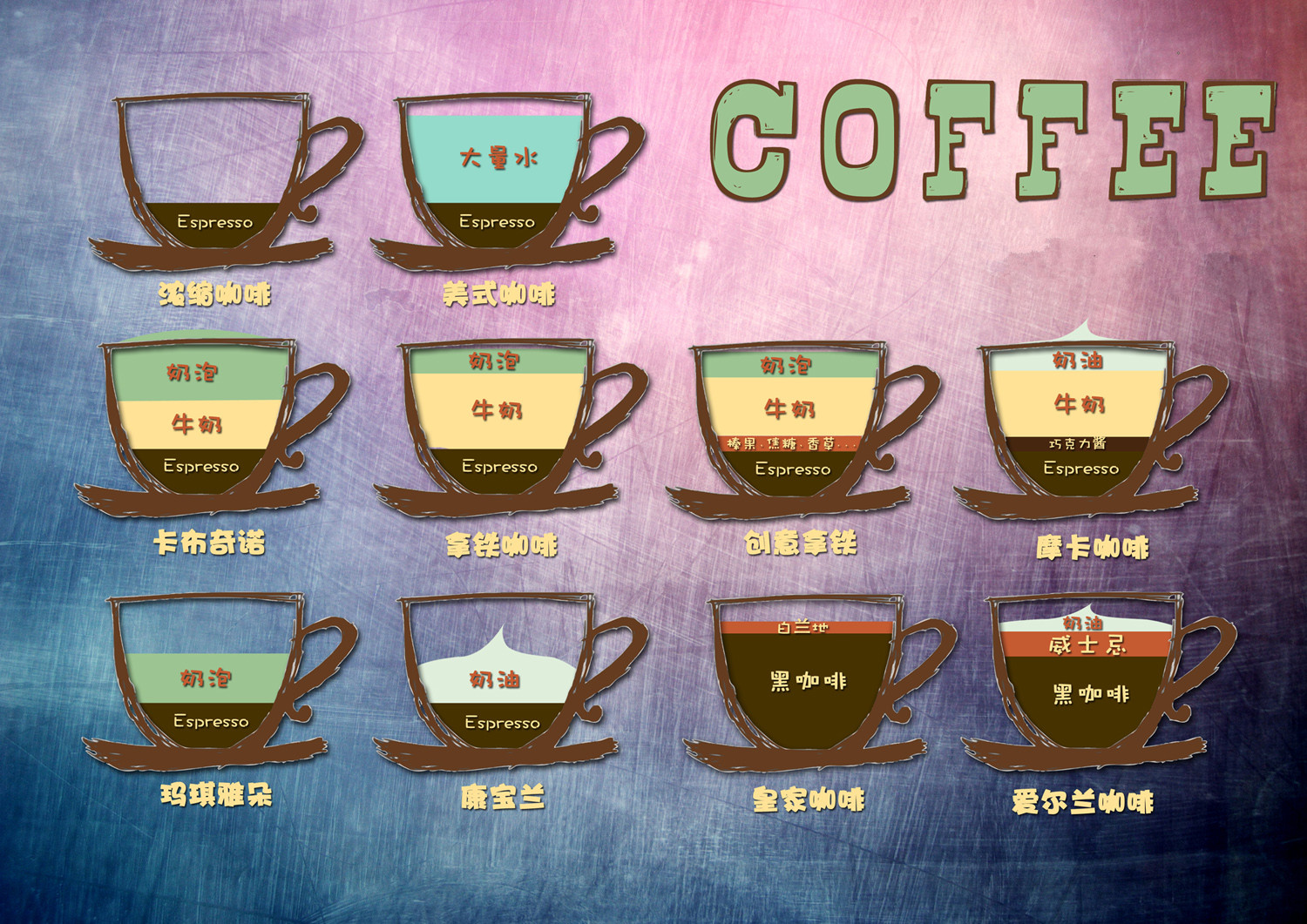
Most specialty coffee shops serve light to medium roasts to highlight origin traits. Dark roasts are common for espresso or milk drinks but can mask the bean’s origin profile.
Frequently Asked Questions
What’s the difference between washed and natural coffee?
Washed coffee removes the fruit before drying, resulting in a clean, bright, and acidic cup with clear origin flavors. Natural coffee dries the whole cherry, creating a fruitier, funkier, and more fermented profile with bolder sweetness. Washed is common in Ethiopia and Colombia; natural is typical in Ethiopia (Sidamo) and parts of Indonesia.
Why does Ethiopian coffee taste so fruity?
Ethiopian coffee, especially from regions like Yirgacheffe and Sidamo, benefits from high altitude, ideal climate, and unique processing—both washed and natural. Washed Yirgacheffe often tastes of jasmine, lemon, and berries, while natural Sidamo can have intense blueberry, tropical fruit, and fermentation notes.
What is honey processed coffee?
Honey processing leaves some of the fruit’s sticky mucilage on the bean during drying, increasing sweetness and body. It’s common in Costa Rica and Panama. Variants like red, yellow, and black honey indicate how much mucilage is left, with black honey being the sweetest and most complex.
Which coffee origin is best for beginners?
Brazilian and Colombian coffees are great starting points. Brazilian beans are low in acidity with sweet, nutty, and chocolatey profiles, while Colombian coffees offer balanced fruitiness and medium body. Both are approachable and widely enjoyed.
Does roast level change the flavor a lot?
Yes. Light roasts preserve the bean’s origin flavors—often bright and acidic. Medium roasts balance acidity and sweetness. Dark roasts emphasize body and roast notes like chocolate and caramel, often at the expense of the bean’s unique origin character.
Recommended FrontStreet Beans for Coffee Variety Exploration
Start exploring coffee types with FrontStreet’s Ethiopia Humbera (washed Yirgacheffe: jasmine, lemon, berry) and Gedeb (natural Sidamo: berry, pineapple, honey). For a nutty, low-acid option, try Brazil Queen Manor (yellow bourbon: caramel, hazelnut, sweetness). These beans represent key origins and processes—washed, natural, and Brazilian-style—to help you understand flavor differences. Freshly roasted within 5 days · Orders placed before 17:00 ship the same day · Next-day delivery across most of Guangdong Province.
FrontStreet Coffee is a long-established specialty coffee roaster in Guangzhou China, selling freshly roasted beans from its own farm in Yunnan as well as dozens of carefully selected single-origin beans from around the world for both pour-over and espresso. The products deliver consistently excellent quality and great value, with shipping within 24 hours. Guangzhou's FrontStreet Coffee shop is recommended by many coffee lovers, and the beans are now available online at the Tmall 。
Important Notice :
前街咖啡 FrontStreet Coffee has moved to new addredd:
FrontStreet Coffee Address: 315,Donghua East Road,GuangZhou
Tel:020 38364473