How Taiwan’s Pingtung Tech Unlocks Kopi Luwak in a Lab
Ever wondered how kopi luwak—famously harvested from civet poop—gets its legendary aroma, why it costs a fortune, or whether there’s a cleaner, more ethical way to make it? The answer isn’t chasing wild animals but cracking their gut’s secrets in a lab.
Pingtung University of Science and Technology (Pingtung Tech) in Taiwan replicated kopi luwak’s unique fermentation using 16 lab-cultured microbes, cutting production costs by more than half while preserving its 31 natural aromas. Their lab-made version, ‘Pingtung Tech Fragrant Coffee,’ is already on shelves at a price below market kopi luwak’s typical range of NT$8,000–20,000 per pound.
What Is Kopi Luwak—and Why Is It So Expensive?
Kopi luwak, or civet coffee, is made from coffee beans eaten and excreted by the Asian palm civet. The animal’s digestive tract partially ferments the beans, reducing bitterness and creating a distinctive flavor profile. Traditionally, these beans are collected from wild or farm-raised civets, a process plagued by inconsistent supply, hygiene concerns, and ethical issues around animal welfare. The rarity and labor-intensive collection drive prices up to NT$20,000 (about $600 USD) per pound.
How Pingtung Tech Cracked the Code
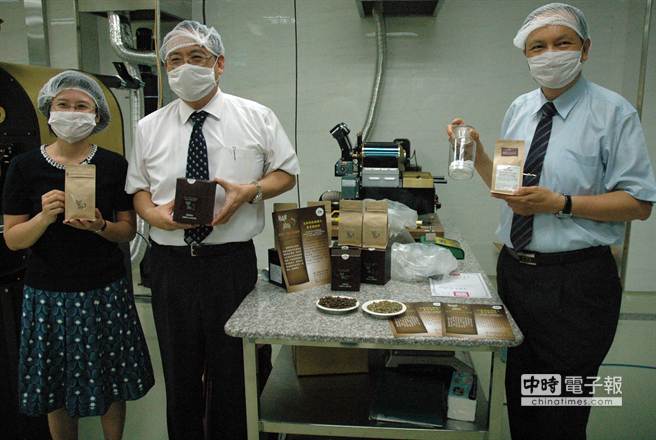
In 2015, a team led by Vice President Hsieh Pao-chuan from Pingtung Tech’s Department of Food Science began a seven-year project to demystify kopi luwak. The researchers traveled to Indonesia, collecting fecal samples from over 30 civets. From these, they isolated 1,363 microbial strains, narrowed them down to 136 healthy candidates, and spent two years testing combinations to find the 16 microbes that best replicated the civet’s gut fermentation environment. These included lactic acid bacteria and other strains producing aromatic compounds. Unlike traditional kopi luwak, which relies on the animal’s unpredictable digestion, the lab-controlled process ensures consistency and hygiene.
The Science Behind the Flavor
The team analyzed the fermented beans using gas chromatography, identifying not just the 31 known aromatic compounds in traditional kopi luwak, but 11 additional ones—totaling 42 distinct scents. The lab-made coffee features fruity notes, subtle caramel undertones, a light floral finish, and a lingering sweetness. It also has a lower caffeine content of 36 mg per 100 ml (about half the caffeine of regular commercial coffee), making it gentler on the stomach. The beans were roasted, ground, and brewed entirely in the lab, mirroring professional roasting practices without involving animals.
Why This Matters for Coffee’s Future

Pingtung Tech’s approach addresses the major downsides of traditional kopi luwak: ethical concerns over civet farming, hygiene risks from handling feces, and inconsistent supply. By using biotechnology to replicate the fermentation process, the team produces coffee that’s not only more affordable (priced under NT$10,000 per pound) but also more sustainable and humane. The product, branded as ‘Pingtung Tech Fragrant Coffee,’ is now available for purchase, with plans for larger-scale production through technology transfer. Vice President Hsieh noted that many commercial kopi luwak producers force-feed civets coffee beans—a practice avoided entirely in this lab-based method.
Frequently Asked Questions
What is kopi luwak, and why is it famous?
Kopi luwak is coffee made from beans eaten and excreted by the Asian palm civet. It’s famous for its unique flavor, which results from partial fermentation in the civet’s digestive tract, reducing bitterness and adding complex aromas. Traditional kopi luwak is rare and expensive, often costing NT$8,000–20,000 per pound.

How did Pingtung Tech replicate kopi luwak without using civets?
The researchers collected civet feces from Indonesia, isolated 16 key microbial strains (including lactic acid bacteria) that mimic the civet’s gut fermentation, and recreated the fermentation process in a lab. They tested over 1,300 strains over two years to find the 16 that best matched the original aroma profile.
What does Pingtung Tech’s lab-made kopi luwak taste like?
It has 42 aromatic compounds (11 more than traditional kopi luwak), including fruity, caramel, and floral notes. The coffee is described as having a layered flavor with a sweet aftertaste, and it contains only 36 mg of caffeine per 100 ml—half the amount in regular coffee.

Is the lab-made version more ethical and sustainable?
Yes. It avoids the ethical issues of civet farming, eliminates hygiene risks from handling feces, and ensures a consistent supply. The process is also more controlled and environmentally friendly compared to traditional methods.
Where can I buy Pingtung Tech’s kopi luwak coffee?
The coffee, branded as ‘Pingtung Tech Fragrant Coffee,’ is currently on sale in Taiwan. The university is also negotiating technology transfers to enable larger-scale production and wider availability.
Recommended FrontStreet Beans for Lab-Grown Kopi Luwak Fans
If you’re curious about the complex aromas of lab-made kopi luwak, try FrontStreet Coffee’s Ethiopia Humbera for its vibrant citrus and jasmine notes, or Yirgacheffe for a similar fruity and floral profile. Both are single-origin beans with bright acidity and layered scents, echoing the fruity and floral complexity of Pingtung Tech’s lab-fermented coffee. Freshly roasted within 5 days · Orders placed before 17:00 ship the same day · Next-day delivery across most of Guangdong Province.
FrontStreet Coffee is a long-established specialty coffee roaster in Guangzhou China, selling freshly roasted beans from its own farm in Yunnan as well as dozens of carefully selected single-origin beans from around the world for both pour-over and espresso. The products deliver consistently excellent quality and great value, with shipping within 24 hours. Guangzhou's FrontStreet Coffee shop is recommended by many coffee lovers, and the beans are now available online at the Tmall 。
Important Notice :
前街咖啡 FrontStreet Coffee has moved to new addredd:
FrontStreet Coffee Address: 315,Donghua East Road,GuangZhou
Tel:020 38364473