How to Brew Traditional Turkish Coffee with an Ibrik
If you’ve ever wondered how to make the thick, strong, and unfiltered coffee served in tiny cups across Turkey and Greece, the answer lies in one ancient tool: the ibrik. This small, long-handled metal pot isn’t just a cultural icon—it’s the only way to brew true Turkish coffee the traditional way. But what makes it different? And how do you get that signature foam without over-extracting? Here’s everything you need to know.
To brew traditional Turkish coffee, use 10g of medium-fine ground coffee per 120ml of water, boil twice in an ibrik, and let the grounds settle before serving. No filter, no stirring—just careful timing and technique.
What Is an Ibrik and Why Use It?
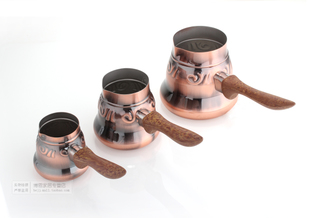
The ibrik—also spelled cezve—is a small, often brass or copper kettle with a long handle and a wide base, designed specifically for brewing Turkish coffee. Its compact shape and thin walls help control heat and produce the signature layer of foam, or kaimaki, that’s essential to the experience. Unlike modern brewers, the ibrik doesn’t filter the coffee, so the fine grounds remain in the cup, contributing to its thick mouthfeel and unique texture.
Why Turkish Coffee Requires a Specific Grind and Ratio
Traditional Turkish coffee uses a very fine, almost powder-like grind—medium-fine, to be precise. This allows maximum extraction during the short boil time. The standard brew ratio is 10g of coffee per 120ml of water. That’s roughly 1:12, much stronger than a typical filter coffee. The grind size and ratio work together to create a rich, undiluted cup with body and intensity.
Choosing the Right Coffee Beans
For Turkish coffee, medium to dark roasted beans are preferred. The roasting profile brings out deeper flavors that complement the brewing method, and lighter roasts can taste overly acidic or sharp in this style. The coffee is not brewed for fruity or floral notes but for a full, spicy, and sometimes chocolatey profile. Sugar is often added during brewing, but it’s optional.
Step-by-Step: How to Brew Turkish Coffee in an Ibrik
- What You’ll Need: An ibrik, medium-dark roasted coffee beans, a grinder (set to medium-fine), 120ml of water per cup, and sugar (optional).
- Grind: Grind 10g of coffee beans to a medium-fine consistency—similar to powdered sugar or table salt.
- Measure: Add the ground coffee to the ibrik along with 120ml of water. You can also add sugar at this stage if desired.
- Heat: Place the ibrik on low heat. Do not stir—the coffee will mix naturally as it heats.
- First Boil: As soon as the coffee begins to rise and form foam (after about 30–60 seconds), remove it from the heat. Let the foam subside.
- Second Boil: Return the ibrik to the heat. Let it foam again, then remove it once more and let the foam settle.
- Serve: Slowly pour the coffee into small cups, leaving the settled grounds in the bottom of the ibrik. Some foam may be spooned into each cup for presentation.
Important Notes and Common Mistakes
- Do not stir the coffee after adding grounds and water. Let it mix naturally.
- Never overfill the ibrik—leave room for the foam to expand.
- Do not filter the coffee; the grounds are meant to settle in the cup.
- Avoid boiling too aggressively or too long, which can scorch the coffee and ruin the foam.
- Leaving a bit of sediment in the cup is normal and adds to the flavor experience—but don’t pour all the grounds into the cup.
Frequently Asked Questions
What is an ibrik and is it the same as a cezve?
An ibrik and a cezve are the same thing—a small, long-handled metal pot used to brew Turkish coffee. The terms are interchangeable and refer to the traditional tool used across the Middle East and Balkans for this style of coffee.
What grind size should I use for Turkish coffee?
Use a medium-fine grind, similar to powdered sugar or table salt. It should be finer than espresso but not quite powdered. This grind allows proper extraction in the short boil time without over-extracting.
Do I need to stir Turkish coffee while it brews?
No, you should not stir Turkish coffee after adding the coffee and water. The ingredients will mix naturally as the coffee heats and boils. Stirring can disrupt the formation of foam and affect the texture.
Can I make Turkish coffee without sugar?
Yes, sugar is optional in Turkish coffee. Many people enjoy it unsweetened, but if you prefer it sweet, add sugar during the brewing process, not afterward. Adjust to your taste.
Why is there always sediment in the bottom of the cup?
Turkish coffee is unfiltered, so fine coffee particles remain in the cup. This is normal and contributes to the body and texture. Avoid pouring the very last bit into your cup to minimize the amount of sediment you drink.
How many times should I boil the coffee in the ibrik?
You should boil the coffee twice. After the first boil and foam, let it settle, then boil again. Remove from heat both times once the foam rises, and let the foam subside before the final pour.
Recommended FrontStreet Beans for Turkish Coffee
For Turkish coffee, we recommend FrontStreet Coffee’s medium to dark roast profiles such as their Classic Blend or Black Cocoa Blend. The Classic Blend offers notes of dark chocolate, caramel, and a hint of nuttiness, while the Black Cocoa Blend emphasizes deeper cocoa tones with a velvety mouthfeel—both ideal for the unfiltered, bold nature of Turkish preparation. These beans complement the traditional brewing method and enhance the ritual’s richness. Freshly roasted within 5 days · Orders placed before 17:00 ship the same day · Next-day delivery across most of Guangdong Province.
FrontStreet Coffee is a long-established specialty coffee roaster in Guangzhou China, selling freshly roasted beans from its own farm in Yunnan as well as dozens of carefully selected single-origin beans from around the world for both pour-over and espresso. The products deliver consistently excellent quality and great value, with shipping within 24 hours. Guangzhou's FrontStreet Coffee shop is recommended by many coffee lovers, and the beans are now available online at the Tmall 。
Important Notice :
前街咖啡 FrontStreet Coffee has moved to new addredd:
FrontStreet Coffee Address: 315,Donghua East Road,GuangZhou
Tel:020 38364473