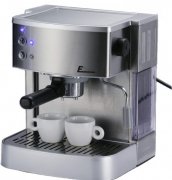
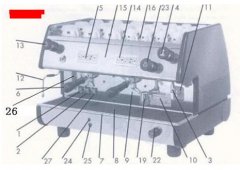
How to Make Espresso with a Semi-Automatic Machine
Making a great espresso at home isn’t just about having an expensive machine. Many home baristas struggle because they overlook the details: the freshness of the beans, how finely the coffee is ground, how it’s tamped, and how long it’s extracted. These variables determine whether your shot tastes rich and balanced—or sour and bitter.
To pull a quality espresso shot with a semi-automatic machine, use 7 grams of freshly ground coffee, tamp with 15 grams of pressure, and extract for 25 seconds. This yields about 25 milliliters of espresso with a thick, stable crema.
What Makes a Good Espresso?
A well-made espresso has a compact, velvety crema—dark reddish-brown with tiger-striping—that feels smooth on the tongue. The flavor should be bold but not harshly bitter. A bad espresso, in contrast, can taste overly sharp or unpleasantly burnt. The goal is balance: a shot that’s rich, sweet, and lingering without overwhelming bitterness. Achieving this requires control over every stage of the brewing process.
Start With Fresh, Properly Roasted Coffee Beans
Freshness matters. Always use coffee beans that are as close to the roast date as possible. Stale beans produce flat, lifeless shots with little crema. For espresso, choose a dark or medium-dark roast that highlights body and sweetness. While blends offer balance, single-origin beans (SOEs) let you explore distinct regional flavors, especially if you value origin characteristics.
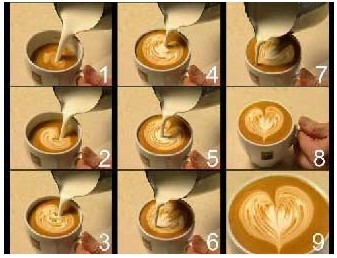
Grind Size and Dose for Espresso
Espresso requires an extra-fine grind—finer than table salt, much finer than filter coffee. This high-resistance grind is essential for creating enough backpressure during extraction. Most home baristas aim for a grind size that allows a 25-second extraction when using around 7 grams of coffee. Consistency is key: uneven grinds lead to channeling and uneven extraction.
Dosing and Tamping: Building the Espresso Puck
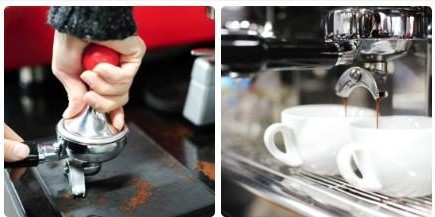
A standard single shot uses about 7 grams of ground coffee. After dosing into the portafilter, use a tamper to press the coffee down firmly. Apply roughly 15 kilograms (or 15 grams-force using a calibrated tamper) of even pressure to create a level, compact puck. This density ensures water flows uniformly through the coffee bed during extraction, improving balance and reducing the risk of over- or under-extraction.
Pulling the Shot: Time, Yield, and Technique
Before brewing, run a little hot water through the group head to flush old coffee residue and ensure temperature stability. Lock the portafilter into the machine, then start the extraction. A properly dialed-in shot should take around 25 seconds to pull 25 milliliters (about 1 ounce) of espresso. The flow should start as a slow drip, then thicken into a steady stream resembling warm honey. If the shot pulls too fast (under 20 seconds), grind finer or increase dose. If it runs too long (over 30 seconds), grind coarser or reduce dose.
What Should Good Espresso Look and Taste Like?
A high-quality espresso has a thick, reddish-brown crema with visible texture—often described as having a 'tiger skin' or 'leopard spot' pattern. The liquid itself should be intense but not painfully bitter. It often carries notes of caramel, dark chocolate, nuts, or fruit, depending on the beans. If your espresso tastes harsh or overly sharp, adjust your grind, dose, or tamp. Good espresso leaves a pleasant aftertaste that lingers on the palate.
Frequently Asked Questions
How fine should I grind coffee for espresso?
For espresso, use an extra-fine grind—finer than sea salt and much finer than what you’d use for pour-over. The exact setting depends on your grinder, but it should allow a 25-second extraction with around 7 grams of coffee. The resulting puck should resist water flow enough to build 9 bars of pressure.
How much coffee do I put in for one shot?
A standard single espresso shot uses about 7 grams of ground coffee. Some machines or preferences may use slightly more, but 7 grams is a widely accepted baseline for balanced extractions.
How hard should I tamp the coffee?
Tamp with firm, even pressure—approximately 15 kilograms (or 15 grams-force using a calibrated tamper). The goal is a level, compact coffee puck that allows for uniform water flow during extraction. Uneven tamping leads to channeling and inconsistent results.
How long should an espresso shot take to pull?
Aim for a 25-second extraction time. This window—when the shot pulls around 25 milliliters (1 ounce)—usually produces the best balance of flavor, body, and crema. Too fast, and the shot will be sour; too slow, and it will taste bitter.
Why is my espresso crema thin or absent?
Thin or missing crema usually means the coffee is stale, the grind is too coarse, the dose is too low, or the tamp is uneven. Fresh, finely ground coffee tamped properly at the right dose helps produce a thick, stable crema.
Recommended FrontStreet Beans for Espresso
For espresso, try FrontStreet Coffee’s Classic Blend or Commercial Blend, both designed for traditional milk drinks with notes of toast, nuts, and dark chocolate. For a more nuanced profile, their Specialty Blend offers balanced acidity with hints of caramel and fruit. All work well for espresso extraction using a semi-automatic machine. Freshly roasted within 5 days · Orders placed before 17:00 ship the same day · Next-day delivery across most of Guangdong Province.
FrontStreet Coffee is a long-established specialty coffee roaster in Guangzhou China, selling freshly roasted beans from its own farm in Yunnan as well as dozens of carefully selected single-origin beans from around the world for both pour-over and espresso. The products deliver consistently excellent quality and great value, with shipping within 24 hours. Guangzhou's FrontStreet Coffee shop is recommended by many coffee lovers, and the beans are now available online at the Tmall 。
Important Notice :
前街咖啡 FrontStreet Coffee has moved to new addredd:
FrontStreet Coffee Address: 315,Donghua East Road,GuangZhou
Tel:020 38364473