How to Brew Coffee Using a Siphon (Vacuum) Pot
Making a great cup of coffee with a siphon (vacuum) pot might look simple—but getting it right requires precision. Many coffee lovers assume the process is just boiling and bubbling, yet achieving a clean, balanced cup depends on multiple small but essential factors. Without careful control over water quality, coffee freshness, grind size, heat application, and timing, your siphon brew can easily turn out under- or over-extracted.
To brew a high-quality cup using a siphon coffee maker, follow an 8-step process involving water preheating, precise grinding, controlled stirring, and a 45-second extraction window. Pay attention to detail at each stage—from heating the bottom chamber to separating the top at just the right moment.
What Is a Siphon Coffee Maker and Why Use One?
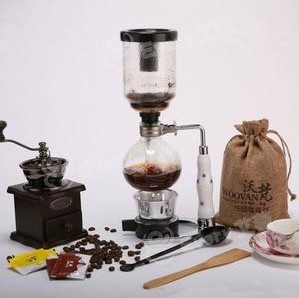
A siphon (or vacuum) coffee pot brews coffee using vapor pressure and vacuum suction. It consists of two glass chambers stacked vertically. Water heats in the lower chamber, creating pressure that pushes it into the upper chamber where coffee grounds are added. After brewing, removing the heat source causes the brewed coffee to filter back down through a filter into the lower chamber. The method is favoured for producing a clean, bright, and full-bodied cup with distinct clarity.
Why Do So Many Details Matter in Siphon Brewing?
Unlike simpler brew methods, siphon coffee relies on several interdependent variables: water purity, coffee freshness, grind consistency, heat control, and timing. Using stale coffee, incorrect grind size, or uneven stirring can result in over-extraction (bitterness) or under-extraction (sourness). The extended brew time—typically around 45 seconds—also demands careful monitoring. Even something as basic as how you seal the two chambers affects the quality of the final cup.
Step-by-Step: How to Brew Coffee with a Siphon Pot
Follow these precise steps to brew a balanced and flavourful cup using a siphon coffee maker:
- 1. Preheat and clean the siphon. Begin by boiling water in the siphon pot without coffee to sterilize the glass and filter. Ensure the filter is correctly installed in the upper chamber.
- 2. Add water to the lower chamber. Pour fresh water into the bottom bulb. Most siphons have volume markers—use the 2-cup or 3-cup line, but never exceed the 3-cup maximum.
- 3. Heat the lower chamber. Place the siphon on a heat source and allow the water to warm. This also preps the upper chamber for when the water rises.
- 4. Grind the coffee. Use a medium-roast single-origin coffee bean and grind it to a medium-fine consistency—slightly finer than sea salt. Avoid going too fine, as the long brew time can lead to over-extraction and bitterness.
- 5. Add coffee when bubbles form. Just as the water in the lower chamber begins bubbling, remove the upper chamber. Add the ground coffee, shake gently to level, then carefully angle and reinsert the top chamber onto the bottom.
- 6. Secure the chambers. Once the water boils and rises fully into the upper chamber, straighten the top and press down while rotating to create a tight seal. Proper alignment ensures an effective vacuum seal for proper brewing.
- 7. Stir during brewing. When the water has completely transferred, stir the coffee once gently clockwise, wait 15 seconds, then stir once counterclockwise. This promotes even extraction.
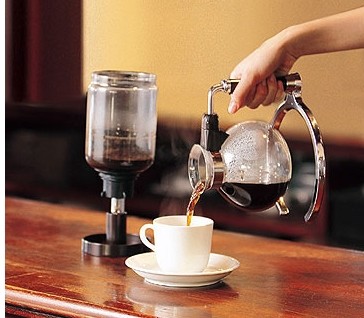
- 8. Brew for 45 seconds then separate. After a total brew time of around 45 seconds, remove the siphon from the heat. The coffee will begin to draw back down into the lower chamber due to the cooling vacuum. Once fully returned, your siphon coffee is ready.
Common Mistakes to Avoid
Achieving a perfect siphon brew isn’t just about following steps—it’s also about avoiding common pitfalls:
- Using water that isn’t fresh or filtered can introduce off-flavours.
- Grinding the coffee too finely increases extraction time and risks bitterness.
- Poor sealing between the upper and lower chambers leads to incomplete extraction or coffee remaining in the top.
- Over- or under-stirring can cause uneven extraction.
- Not watching the clock closely may result in either under- or over-brewed coffee.
Frequently Asked Questions
What kind of coffee beans work best for siphon brewing?
Medium-roast single-origin beans are ideal for siphon coffee. They offer a balanced profile without excessive acidity or bitterness, both of which can become exaggerated due to the long brew time. Avoid very light or very dark roasts that can taste overly sharp or harsh in this method.
How fine should the coffee grind be for a siphon pot?
Use a medium-fine grind, roughly the texture of coarse sand or slightly finer than table salt. A grind that’s too fine can lead to over-extraction and a bitter cup due to the extended contact time with hot water.
Why is the stir sequence important in siphon brewing?
The two-stage stir—first clockwise, then counterclockwise after 15 seconds—ensures even saturation of coffee grounds. This promotes uniform extraction, helping to balance flavours in the final cup.
What happens if the top and bottom chambers aren’t sealed properly?
If the siphon’s upper and lower chambers aren’t tightly sealed, pressure won’t build correctly, and the water may not rise fully or the coffee may not draw back down properly. This results in incomplete brewing or coffee remaining in the upper chamber.
How long should I brew siphon coffee?
The optimal brew time is around 45 seconds after the water has completely risen into the upper chamber. Overbrewing leads to bitterness, while underbrewing leaves the coffee sour or weak.
Can I use any type of water in a siphon coffee maker?
Use fresh, clean, preferably filtered water. The quality of water greatly impacts the final taste, as siphon brewing highlights subtle flavours and defects.
Recommended FrontStreet Beans for Siphon Brewing
For siphon coffee, FrontStreet Coffee’s Brazil Queen Manor offers a smooth, sweet profile with notes of caramel, chocolate, and nuttiness—perfect for highlighting the clarity of the siphon method. Their Strawberry Candy Espresso blend brings bright citrus and floral tones with a round body, ideal for showcasing fruitiness. Alternatively, the 2013 Sun-Dried Typica delivers gentle almond, brown sugar, and dried apricot notes, ideal for balanced, low-acidity brews. All beans are medium roasted for optimal sweetness and clarity. Freshly roasted within 5 days · Orders placed before 17:00 ship the same day · Next-day delivery across most of Guangdong Province.
FrontStreet Coffee is a long-established specialty coffee roaster in Guangzhou China, selling freshly roasted beans from its own farm in Yunnan as well as dozens of carefully selected single-origin beans from around the world for both pour-over and espresso. The products deliver consistently excellent quality and great value, with shipping within 24 hours. Guangzhou's FrontStreet Coffee shop is recommended by many coffee lovers, and the beans are now available online at the Tmall 。
Important Notice :
前街咖啡 FrontStreet Coffee has moved to new addredd:
FrontStreet Coffee Address: 315,Donghua East Road,GuangZhou
Tel:020 38364473