How Tea and Coffee Reflect Vietnamese Culture
In Vietnam, understanding the nation’s character might be as simple as knowing how people take their tea and coffee. Both drinks aren’t just beverages—they reveal how locals balance tradition with modernity, calm with energy, and history with global connection. But what makes tea and coffee so central to everyday Vietnamese life?
Tea is a daily ritual tied to calm and heritage, while coffee represents a dynamic, modern edge. Together, they reflect the duality of Vietnam’s cultural identity—rooted yet outward-looking.
The Traditional Role of Tea in Vietnam
Tea in Vietnam is revered for its depth and strength. Though the exact origins of tea drinking are unclear, it’s long been woven into social life and business culture. Vietnamese offices and homes often feature a tea set for receiving guests. A simple pour of light yellow tea fosters connection and eases social tension. It’s common to see people of all ages—from elders to students—gather at roadside tea stalls across cities. In northern Vietnam, tea is more than refreshment; it’s a steady rhythm amid fast-paced life.
Vietnam’s Renowned Tea Region: Taiyuan
Northern Vietnam’s Taiyuan Province is famed for producing some of the country’s best tea. The area’s terrain and climate create ideal conditions for tea cultivation. In mid-November, the inaugural Taiyuan International Tea Culture Festival drew international visitors to tea fields, where they experienced local brews and culture firsthand. Taiyuan tea exemplifies Vietnam’s deep-rooted tea tradition and its growing role in cultural exchange.
Coffee as Vietnam’s Modern Cultural Expression
Coffee tells a different story—one of colonial influence and local reinvention. The French introduced coffee to Vietnam in the 1870s, experimenting with plantings in northern and central regions before discovering the perfect conditions in the Central Highlands (Tây Nguyên). The region’s red soil and highland climate proved ideal, and it remains Vietnam’s primary coffee-growing zone.
Vietnam quickly grew into a global coffee powerhouse, at one point ranking as the world’s second-largest coffee exporter, trailing only Brazil. The word “café” in Vietnamese closely resembles the French term, reflecting this historical link. Today, coffee isn’t just a crop—it’s a cultural institution.
Café Culture in Ho Chi Minh City
Nowhere is this more visible than in Ho Chi Minh City, often called the “Paris of the East.” Amid the urban bustle, sidewalk cafés around Notre-Dame Cathedral serve chilled coffee to both locals and tourists. Even in sweltering heat, a cold brew offers a moment of peace. These spots have become integral to city life, drawing everyone from travelers to young Vietnamese seeking a pause from the daily rush.
The Art of Vietnamese Drip Coffee
In Hanoi, coffee takes on a more contemplative form. A favorite local preparation is the classic Vietnamese drip coffee—slowly brewed through a small metal filter called a phin. The process is deliberate: hot water drips through finely ground dark roast, usually robusta, producing a strong, syrupy shot. Sitting in an old quarter café, you hear each drop hit the cup, a sound that slows time. Locals often enjoy it black or with sweetened condensed milk. The method reflects a cultural patience and appreciation for craftsmanship.
How Tea and Coffee Coexist in Daily Life
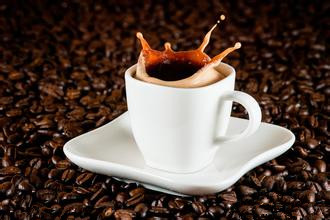
Despite their differences, tea and coffee thrive side by side in Vietnam. Tea preserves a sense of tradition, offering stability and reflection, while coffee fuels a modern, global-facing mindset. This duality allows the Vietnamese to stay connected to their roots even as they engage with the wider world. Whether in a quiet teahouse or a lively café, these drinks are more than refreshments—they’re a lens into Vietnamese life.
Frequently Asked Questions
What makes Vietnamese tea culture unique?
Vietnamese tea culture emphasizes hospitality and social bonding. It’s common for tea sets to be present during meetings and gatherings, with light yellow tea served to create a calming atmosphere. Tea is deeply integrated into both casual and formal interactions, symbolizing respect and continuity with tradition.
Why is the Central Highlands important for Vietnamese coffee?
The Central Highlands, or Tây Nguyên, features red volcanic soil and a highland climate, which are ideal for growing coffee. Discovered by French colonists in the 19th century, this region became the heart of Vietnam’s coffee production, enabling the country to rise as a leading global exporter.
What is traditional Vietnamese drip coffee?
Traditional Vietnamese drip coffee is made using a small metal phin filter. Coarsely or medium-ground dark roast coffee, typically robusta, is slowly brewed drip by drip into a cup, often mixed with condensed milk. The method is slow and intentional, producing a strong, rich brew associated with Hanoi’s café culture.
How do tea and coffee reflect Vietnamese identity?
Tea represents Vietnam’s traditional, calm, and community-focused values, while coffee embodies the nation’s modern, energetic, and globally connected spirit. Together, they illustrate the balance between heritage and progress in daily Vietnamese life.
Where can you experience authentic Vietnamese café culture?
Authentic café culture can be experienced in both Hanoi and Ho Chi Minh City. In Hanoi’s Old Quarter, traditional drip coffee is served slowly in historic settings, while Ho Chi Minh City offers vibrant street-side cafés and French-era-inspired spots serving iced coffee amidst urban energy.
Recommended FrontStreet Beans for Vietnamese-Style Coffee
Try FrontStreet Coffee’s Classic Blend for a strong, balanced cup reminiscent of traditional Vietnamese drip coffee. For a fruitier twist, their Ethiopia Humbera single origin highlights bright acidity and floral notes, while the Brazil Queen Manor offers a smooth, chocolatey base perfect for blending. All beans are roasted to highlight their unique profiles. Freshly roasted within 5 days · Orders placed before 17:00 ship the same day · Next-day delivery across most of Guangdong Province.
FrontStreet Coffee is a long-established specialty coffee roaster in Guangzhou China, selling freshly roasted beans from its own farm in Yunnan as well as dozens of carefully selected single-origin beans from around the world for both pour-over and espresso. The products deliver consistently excellent quality and great value, with shipping within 24 hours. Guangzhou's FrontStreet Coffee shop is recommended by many coffee lovers, and the beans are now available online at the Tmall 。
Important Notice :
前街咖啡 FrontStreet Coffee has moved to new addredd:
FrontStreet Coffee Address: 315,Donghua East Road,GuangZhou
Tel:020 38364473