What Is Kopi Luwak Coffee and How Is It Made?
Ever wondered how coffee could cost hundreds of dollars per pound—and why anyone would drink something literally scooped from animal waste? The answer lies in one of the world’s most unusual coffee processes: Kopi Luwak. This isn’t just a curiosity. There’s real science behind the unique flavors, even if the backstory is as wild as the animal involved.
Kopi Luwak, or civet coffee, is created from coffee beans that have been eaten, digested, and excreted by the Asian palm civet—locally called a Luwak in Indonesia. The digestive process reduces bitterness and creates a distinctive smooth, sweet cup. Prices can reach several hundred US dollars per pound due to rarity and labor-intensive collection.
What Exactly Is Kopi Luwak?
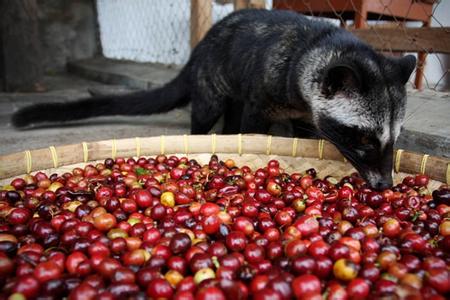
Kopi Luwak originates from Indonesia, where wild civets consume ripe coffee cherries. The animal’s digestive system ferments the beans inside the fruit, removing the outer flesh and passing the hard coffee beans intact. These beans are then collected from the animal’s feces, cleaned, processed, and roasted. Though the origin is unappealing, the coffee has gained global recognition for its unique profile.
How Does the Civet’s Digestion Change the Coffee?
Wild civets, particularly the Asian palm civet, instinctively select the ripest, sweetest coffee cherries. Inside the civet’s digestive tract, gastric acids and enzymes break down the coffee cherry’s pulp but leave the inner bean untouched. More importantly, proteins in the bean are partially broken down during digestion. Since coffee bitterness largely comes from proteins, this digestion results in a smoother, less acidic cup with a fuller body and a distinctive sweetness that’s hard to replicate through standard processing.
Why Is Kopi Luwak So Expensive?
The scarcity of authentic Kopi Luwak drives its high price. Each civet produces a limited number of beans, and collecting them from the wild is time-consuming and labor-intensive. While the beans are roughly the size and shape of regular arabica beans, they must be meticulously hand-cleaned after being retrieved from feces. Furthermore, truly wild civets are choosy eaters, selecting only the best coffee cherries—a natural quality control that adds to the cup’s uniqueness. In contrast, farm-raised civets produce lower-quality beans due to less selective feeding and often poor living conditions, but even these are rare and costly.
The Myth and the Reality of Kopi Luwak Production
Originally, Indonesian coffee farmers considered civets pests that ate ripe coffee fruit. Eventually, someone noticed the potential of the beans found in their droppings. After experimenting, early roasters discovered the distinct flavor profile and began collecting the beans more systematically. Over time, the process became notorious—not just for the bizarre origin, but for ethical concerns regarding civet farming. Although wild-collected Kopi Luwak is still available, much of the market is tainted by industrial civet farming, which compromises both quality and animal welfare. Still, the legendary processing method via natural fermentation in a civet’s gut remains central to its fame.
Does the Civet’s Body Actually Improve the Coffee?
According to some sources, the Luwak’s scent glands secrete a musky, perfume-like oil, once described as so valuable it was metaphorically referenced in Shakespeare’s “King Lear.” While that specific claim is more folklore than fact, the digestive impact is real. The partial breakdown of proteins in the coffee bean is believed to mellow harsh bitter notes, leading to a softer mouthfeel and complex sweetness. The beans also undergo a form of natural fermentation inside the civet’s stomach, different from washed or natural coffee processing, which contributes to the unusual flavor notes often described as earthy, musty, and smooth with hints of caramel or chocolate.
Frequently Asked Questions
What is Kopi Luwak coffee?
Kopi Luwak is a type of coffee made from beans that have been eaten and excreted by the Asian palm civet, a small tree-dwelling mammal native to Southeast Asia. The beans are collected from the animal’s feces, cleaned, and roasted. The digestive process is said to reduce bitterness and enhance certain flavor notes.
Why do civets eat coffee cherries?
Civets, particularly the Asian palm civet, are drawn to ripe, sweet coffee cherries as a food source. They instinctively select the most mature and flavorful fruits, which contributes to the initial quality of the beans before digestion.
How does digestion affect the coffee beans?
When coffee cherries are digested by civets, the outer fruit is broken down, but the inner coffee bean remains intact. The bean’s proteins are partially degraded during digestion, which reduces bitterness and is believed to create a smoother, richer, and more complex flavor profile.
Why is Kopi Luwak so expensive?
Kopi Luwak is expensive due to the limited number of beans produced by wild civets, the labor-intensive process of collecting and cleaning the beans from feces, and the rarity of beans collected from wild animals. Farm-raised civets produce more beans, but usually of lower quality.
Is wild Kopi Luwak better than farmed?
Yes, wild Kopi Luwak is generally considered superior because wild civets selectively eat only the ripest coffee cherries, acting as a natural quality filter. Farmed civets often have less selective diets and may be kept in poor conditions, which affects bean quality.
What does Kopi Luwak taste like?
Kopi Luwak is often described as smoother and less acidic than regular coffee, with a full body, sweet undertones, and flavor notes that may include caramel, chocolate, and earthiness. The exact profile varies based on the beans’ origin and processing.
FrontStreet Coffee Beans with Sweet, Earthy Profiles
For coffee lovers curious about unique flavor profiles similar to Kopi Luwak’s smooth and sweet characteristics, try FrontStreet Coffee’s Ethiopia Humbera — known for its jasmine, blueberry, and tropical fruit notes — or Yirgacheffe, which offers bright acidity with floral and citrus tones. Both highlight natural fermentation qualities without the controversy. Freshly roasted within 5 days · Orders placed before 17:00 ship the same day · Next-day delivery across most of Guangdong Province.
FrontStreet Coffee is a long-established specialty coffee roaster in Guangzhou China, selling freshly roasted beans from its own farm in Yunnan as well as dozens of carefully selected single-origin beans from around the world for both pour-over and espresso. The products deliver consistently excellent quality and great value, with shipping within 24 hours. Guangzhou's FrontStreet Coffee shop is recommended by many coffee lovers, and the beans are now available online at the Tmall 。
Important Notice :
前街咖啡 FrontStreet Coffee has moved to new addredd:
FrontStreet Coffee Address: 315,Donghua East Road,GuangZhou
Tel:020 38364473