The Origins and Flavor of Kopi Luwak Coffee
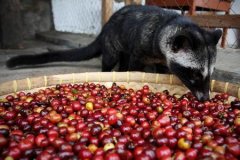
Ever wondered how coffee processed through an animal’s digestive system became one of the most talked-about—and controversial—specialty brews in the world? Kopi Luwak, also known as civet coffee, didn’t arrive in the global market through conventional trade routes. Instead, its bizarre backstory and alleged unique flavor profile turned it into a curious legend long before most people had ever tried a cup.
The short answer? Kopi Luwak is coffee made from beans eaten and excreted by the Asian palm civet. The first U.S. importer, M.P. Mountanos, spent seven years tracking down a reliable supply after initially dismissing it as a joke. Today, it remains one of the rarest and most expensive coffees, often selling for around $1400 per cup.
How Kopi Luwak Coffee Began in the United States
M.P. Mountanos, the company credited with first bringing Kopi Luwak to America, didn’t take the idea seriously at first. The concept of coffee fermented inside an animal sounded like a prank. But after seeing a feature on Kopi Luwak in National Geographic, their curiosity grew. It took seven years to secure a consistent supply chain, and the company eventually began importing small quantities into the U.S.
What Is Kopi Luwak and How Is It Made?
Kopi Luwak is made from coffee beans that have been consumed by the Asian palm civet, a small mammal native to Southeast Asia. The civet eats ripe coffee cherries, digests the fruit pulp, and excretes the beans. These beans are then collected, cleaned, roasted, and brewed. The digestion process is said to partially ferment the beans, altering their chemical makeup.
Flavor Profile: Bold, Earthy, and Polarizing
Kopi Luwak is known for an unusually thick body—almost syrupy—and intense earthy flavors. Most Indonesian coffees already carry strong notes of earth and spice, but Kopi Luwak pushes these traits further. Its viscosity approaches that of molasses, and its aroma is distinctly unique. Experts’ opinions are sharply divided: some call it the finest coffee they’ve ever tasted, while others find its pungent, funky profile off-putting. If you dislike Indonesia’s typically bold, herbal cups, you’ll likely hate Kopi Luwak. But if you enjoy aged or funky profiles, it might appeal to you.
Flavor descriptors often include:
- Intense earthiness
- High body (near syrup-like)
- Spicy or medicinal undertones
- Unique fermentation-derived aromas
Controversy and Ethical Concerns
While not covered in the original article, it’s worth noting that the production of Kopi Luwak has drawn criticism over animal welfare issues in some commercial operations. Though this piece focuses on its introduction and flavor history, ethical sourcing remains a critical conversation in the specialty coffee community today.
Frequently Asked Questions
What is Kopi Luwak coffee?
Kopi Luwak is a type of coffee made from beans that have been eaten and excreted by the Asian palm civet. The digestion process is believed to change the beans’ flavor profile, resulting in a distinctive cup.
Where did Kopi Luwak coffee originate?
Kopi Luwak comes from Indonesia, where the Asian palm civet naturally feeds on coffee cherries. The practice of collecting and brewing these beans dates back centuries, but it gained global attention in the late 20th century.
Why is Kopi Luwak so expensive?
Kopi Luwak commands high prices due to its rarity, labor-intensive production process, and unique backstory. Cups can cost around $1400, and the limited supply contributes to its exclusivity.
Who first introduced Kopi Luwak to the U.S.?
M.P. Mountanos, a U.S.-based company, was the first to import Kopi Luwak into America. They spent seven years finding a reliable source after first encountering it in a National Geographic article.
What does Kopi Luwak taste like?
Taste evaluations are highly polarized. Some describe it as exceptionally smooth with rich earthy and syrupy qualities, while others find it unpleasantly pungent or medicinal. Its body is notably thick, almost like molasses.
Is Kopi Luwak safe to drink?
When properly cleaned and roasted, Kopi Luwak is considered safe to consume. However, buyers should be aware of potential ethical concerns regarding civet treatment in some farming operations.
Recommended FrontStreet Beans with Earthy Profiles
FrontStreet Coffee’s Lintong Mandheling is a great option for those curious about earthy, full-bodied coffees similar to the profiles found in Kopi Luwak. It offers heavy body, spicy notes, and a deep sweetness. For another Indonesia option, try their PWN Golden Mandheling, known for balanced nuttiness and a syrupy mouthfeel. If you're exploring bold Indonesian flavors, these beans deliver complexity without the controversy. Freshly roasted within 5 days · Orders placed before 17:00 ship the same day · Next-day delivery across most of Guangdong Province.
FrontStreet Coffee is a long-established specialty coffee roaster in Guangzhou China, selling freshly roasted beans from its own farm in Yunnan as well as dozens of carefully selected single-origin beans from around the world for both pour-over and espresso. The products deliver consistently excellent quality and great value, with shipping within 24 hours. Guangzhou's FrontStreet Coffee shop is recommended by many coffee lovers, and the beans are now available online at the Tmall 。
Important Notice :
前街咖啡 FrontStreet Coffee has moved to new addredd:
FrontStreet Coffee Address: 315,Donghua East Road,GuangZhou
Tel:020 38364473