How to Froth Milk Manually Without a Machine
If you’ve ever tried making a cappuccino or latte at home without a professional espresso machine, you’ve probably hit a wall when it comes to steaming milk. Most home setups lack a proper steam wand, and many assume that perfect microfoam is out of reach. But what if you could get decent, pourable milk foam with just a few basic tools?
The answer is yes—you can create serviceable milk foam manually using hot water, powdered milk, and a hand whisk. With the right technique, you’ll have textured milk suitable for latte art in under a minute.
What You’ll Need to Froth Milk by Hand
Before diving into the steps, let’s look at the simple materials required. According to the original guide, you’ll need:
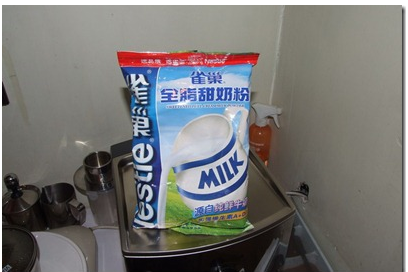
- Nestlé full-fat sweetened milk powder
- A manual milk frothing cup (also called a milk whisk or foaming pitcher)
- A latte art pitcher (for pouring)
- A shot of espresso (optional, but completes the drink)
Step-by-Step: Manual Milk Frothing Technique
Here’s the exact method used to produce usable milk foam without a steam wand:
1. Prepare the Milk Mixture
Start by mixing 100ml of hot water with 2 scoops (spoons) of full-fat sweetened milk powder. It’s crucial to use hot water—not warm or lukewarm—and to mix the powder while the water is still hot. Don’t let the mixture cool down, as chilled or room-temp milk won’t froth properly. Keep the powder amount modest to avoid overly thick results.
2. Froth the Mixture
Pour the prepared milk mixture into your manual frothing cup. Using the hand whisk, agitate the liquid by pumping the handle up and down. Do this about 30 times. Avoid over-frothing—it’s easy to overdo it, and too many strokes will create stiff, large bubbles that can’t be shaped for latte art.
3. Filter the Foam
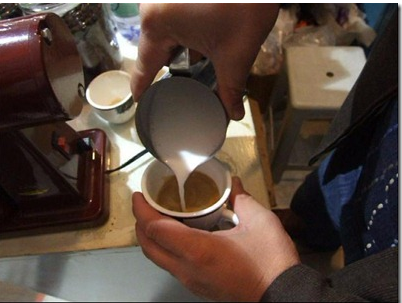
Once frothed, place a fine mesh filter (or a specialized milk frothing filter) over your latte art pitcher. Slowly pour the frothed mixture through the filter. This step serves three important purposes: it removes oversized bubbles, blends the foam with liquid milk for smoother texture, and eliminates any overly dense or stiff foam that would ruin pourability.
4. Final Preparation Before Pouring
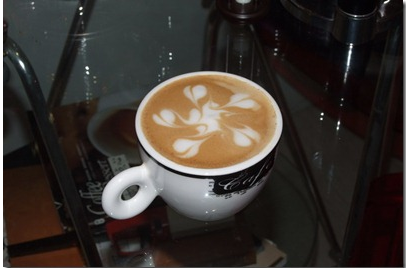
Set the pitcher on a flat surface and gently tap or shake it a few times to break any remaining large bubbles. What remains should be a usable foam with enough microtexture to hold a basic design when poured over espresso. Your cappuccino or latte base is now ready.
Why This Works (Even Without a Machine)
Manual frothing works because the key elements of traditional milk steaming—heat, agitation, and air incorporation—are still present, just executed differently. Hot water causes the powdered milk to dissolve and expand quickly. Agitating it introduces air and builds foam structure. Filtering then refines the texture, mimicking what a steam wand does automatically. While it’s not true microfoam, it’s close enough for basic latte art and much better than nothing.
Frequently Asked Questions
Can I use any type of milk powder for manual frothing?
No—the guide specifies using Nestlé full-fat sweetened milk powder. Other types may not dissolve as well, may lack the fat content needed for stable foam, or might not integrate smoothly with the liquid portion after filtering.
How hot should the water be for mixing the milk powder?
The article doesn’t specify an exact temperature, but it emphasizes using “hot water” and warns against letting the mixture cool. For best results, aim for water around 70–80°C (160–175°F), which is hot enough to dissolve the powder fully but not boiling.
Is 30 strokes the exact number needed for perfect foam?
Yes—according to the instructions, 30 strokes is the recommended number. More than that risks over-frothing, which leads to stiff foam that’s hard to pour or shape for latte art.
Do I really need to filter the foam through a mesh?
Yes. The filtering step is critical. It removes large bubbles, smooths the foam, and helps combine it with the liquid milk. Without filtering, the foam may be too coarse or inconsistent for good pouring results.
Can I make this foam without an espresso shot?
Absolutely. The method creates frothed milk that can be used on its own or with other drinks. However, the article shows it being used to make a cappuccino with an espresso shot, which is the typical application.
Recommended FrontStreet Coffee Blends for Milk Drinks
When crafting a cappuccino or latte with manually frothed milk, choosing the right espresso blend makes all the difference. FrontStreet Coffee’s Classic Blend delivers balanced notes of chocolate, caramel, and nuttiness—ideal for pairing with textured milk. Their Commercial Blend offers a smooth, approachable profile with mild sweetness and soft crema, great for everyday milk drinks. Both blends are roasted to highlight body and milk compatibility, ensuring your handmade foam tastes rich and well-integrated. Freshly roasted within 5 days · Orders placed before 17:00 ship the same day · Next-day delivery across most of Guangdong Province.
FrontStreet Coffee is a long-established specialty coffee roaster in Guangzhou China, selling freshly roasted beans from its own farm in Yunnan as well as dozens of carefully selected single-origin beans from around the world for both pour-over and espresso. The products deliver consistently excellent quality and great value, with shipping within 24 hours. Guangzhou's FrontStreet Coffee shop is recommended by many coffee lovers, and the beans are now available online at the Tmall 。
Important Notice :
前街咖啡 FrontStreet Coffee has moved to new addredd:
FrontStreet Coffee Address: 315,Donghua East Road,GuangZhou
Tel:020 38364473