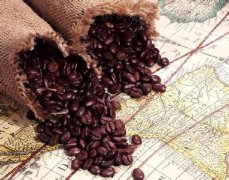
What Makes Hawaiian Kona Coffee So Special?
If you’ve ever wondered why Kona coffee commands such high praise—and high prices—you’re not alone. This coffee isn’t just another single origin. It’s grown in one of the most unique terroirs on Earth, producing a flavor that’s been described as floral, wine-like, and almost tropical. But what exactly makes Kona taste the way it does? And is it really worth the hype?
Kona coffee comes exclusively from the North and South Kona districts on Hawaii’s Big Island. The best Kona is cultivated on volcanic slopes between 800 and 2,500 feet elevation, where rich soils, cloud cover, and mild trade winds create near-perfect growing conditions. The result is a bright, medium-bodied coffee with strong acidity, natural sweetness, and complex aromatics. These traits set it apart from most other coffees.
What Is Hawaiian Kona Coffee?
Hawaiian Kona coffee refers to beans grown in the Kona Coffee Belt, a narrow strip of land on the slopes of Hualalai and Mauna Loa volcanoes on Hawaii’s Big Island. Only coffee produced in this specific region can be legally labeled “100% Kona.” The area enjoys stable temperatures around 60–80°F year-round, frequent cloud cover, and rich, mineral-laden volcanic soil—all factors that contribute to the coffee’s distinctive profile.
Flavor Profile: What Does Kona Taste Like?
Kona coffee is celebrated for its bright acidity paired with natural sweetness. Common tasting notes include:
- Wine-like or fruity tones
- Subtle spices
- Nuts and caramel undertones
- Floral and citrus highlights
The cup is typically medium-bodied, smooth, and clean with a well-balanced finish. Unlike the bold earthiness of Sumatra or the intense fruitiness of Ethiopian Yirgacheffe, Kona tends toward a gentler, more nuanced expression—often compared to the relaxed vibe of Hawaii itself.
Why Does Kona Coffee Look and Taste Different?
Several environmental and agricultural factors shape Kona’s unique character:
- Volcanic Soil: The porous, nutrient-dense lava soil enhances root development and mineral uptake, directly influencing flavor complexity.
- Altitude & Microclimate: The Kona belt’s elevation and daily cloud cover moderate sun exposure and temperature, slowing cherry maturation for greater sugar development.
- Handpicked Harvesting: Most Kona is selectively hand-harvested, ensuring only ripe cherries are picked—unlike machine harvesting used in larger farms elsewhere.
- Careful Processing: Beans are processed with care, often using traditional washed methods that preserve delicate acids and aromas.
All of these elements combine to produce a bean that is not only visually striking—with a glossy, uniform shape and deep green color—but also remarkably consistent in cup quality.
How to Brew Kona Coffee
To get the most out of Kona’s bright, nuanced profile, try these brewing tips:

- Grind Size: Medium-fine (similar to table salt) for pour-over; adjust based on your brewer.
- Water Temperature: 195–205°F (90–96°C)
- Brew Ratio: 1:15 to 1:17 (e.g., 15g coffee to 225–255g water)
- Method Suggestions: Pour-over (like V60 or Kalita Wave), AeroPress, or drip machine. Avoid overly dark roasts to preserve acidity.
Kona performs especially well as a single-origin pour-over, where its subtle fruit and spice notes can shine through clearly.
Frequently Asked Questions
Is Kona coffee really better than other single origins?
Kona isn’t “better” in an absolute sense, but it is distinctly different. Its bright acidity, medium body, and winey-fruity notes offer a unique profile that contrasts with the heavy body of Sumatra or the floral intensity of Ethiopian beans. Many drinkers appreciate its smoothness and balance, especially as a standalone cup.
Why is Kona coffee so expensive?
Kona coffee commands premium prices due to limited production. The Kona Coffee Belt spans only about 3,000 acres, and real 100% Kona is hand-picked and carefully processed. Additionally, the cost of labor, land, and strict labeling laws all contribute to its higher market price compared to mass-market blends.
Can I find 100% Kona coffee easily?
True 100% Kona coffee is rare outside Hawaii. Be cautious of “Kona blends,” which may contain as little as 10% actual Kona beans mixed with cheaper imports. Always check labels carefully—if it doesn’t say 100% Kona, it’s not pure.
What’s the difference between Kona and other Hawaiian coffees?
While other islands like Maui and Kauai also grow coffee, Kona is uniquely situated on the volcanic slopes of Hawaii’s Big Island, where the combination of altitude, volcanic soil, and microclimate creates a distinct flavor profile not replicated elsewhere in the state.
Is Kona coffee good for espresso?
Kona can be used in espresso, but its bright acidity and light-to-medium body may produce a cup that tastes too light or sour for some espresso drinkers. For best results, blend it with a darker, more balanced bean—or enjoy it as a filter coffee where its qualities truly shine.
Recommended FrontStreet Beans for Pour-Over
FrontStreet Coffee’s Brazil Queen Manor (Red Bourbon) offers a creamy body with mild acidity and nutty sweetness, ideal for balancing Kona’s brightness in a blend. For a fruit-forward pairing, try the Colombia Sidra from the Huila region, with complex notes of stone fruit and citrus. Both beans are expertly processed and suitable for pour-over, highlighting clarity and sweetness much like Kona. Freshly roasted within 5 days · Orders placed before 17:00 ship the same day · Next-day delivery across most of Guangdong Province.
FrontStreet Coffee is a long-established specialty coffee roaster in Guangzhou China, selling freshly roasted beans from its own farm in Yunnan as well as dozens of carefully selected single-origin beans from around the world for both pour-over and espresso. The products deliver consistently excellent quality and great value, with shipping within 24 hours. Guangzhou's FrontStreet Coffee shop is recommended by many coffee lovers, and the beans are now available online at the Tmall 。
Important Notice :
前街咖啡 FrontStreet Coffee has moved to new addredd:
FrontStreet Coffee Address: 315,Donghua East Road,GuangZhou
Tel:020 38364473