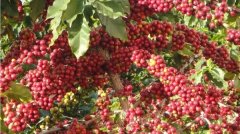
Why Ethiopian Harar Coffee Has Such Complex Flavors
Ever wonder why some Ethiopian coffees taste like blueberries one cup and dark chocolate the next? The answer often lies in where the beans come from—and how they’re processed. One Ethiopian origin stands above the rest for wild, shifting flavor profiles: Harar. Its reputation for complexity isn’t marketing—it’s backed by decades of cupping notes, roasting experiments, and sensory data.
Harar-4, a common regional variety from Ethiopia’s western Harar area, delivers the region’s most famously diverse cup: medium to mild acidity, full body, strong mocha character, and signature blueberry notes. Roast it lighter or darker, and those flavors shift dramatically.
What Is Harar Coffee and Why Does It Taste So Different?
Harar coffee comes from Ethiopia’s eastern Harar region, though your bag will likely just say ‘Harar’. This is one of the country’s oldest coffee-growing areas, home to typical local Arabica varieties that are hardy but disease-prone. What makes Harar unique is its traditional natural (dry) processing method. Unlike washed or honey processes, natural drying leaves the coffee cherry intact around the seed, locking in more of the fruit’s volatile aromatics and sugars. The result? A wild, untamed cup with layered fruity and fermented notes that vary wildly based on roast level.
The Role of Processing and Roast Level in Flavor Development
Harar coffee is almost always processed using the natural (dry) method. This means the coffee cherries are spread out to dry in the sun with the fruit still on the seed. This technique preserves more of the coffee’s inherent fruitiness and results in a profile that’s often described as ‘wild’ or ‘feral’. But it’s the roast level that really determines whether you taste blueberry, mocha, or chocolate.
Roasters recommend city or dark city roasts for Harar. At a city roast (medium-light to medium), you’ll get high aromatic complexity—think vibrant blueberry, floral hints, and lively spice. Push into a deep city or light full-city roast, and chocolatey tones emerge alongside deeper fruit notes. The bean’s inherent sweetness becomes more pronounced, and the body gets heavier and rounder. That’s why the same Harar lot can show completely different personalities depending on how it’s roasted.
What Does Harar-4 Actually Taste Like?
Cupped by professionals and home roasters alike, Harar-4 typically shows:
- Acidity: Medium to mild, bright but not sharp
- Body: Full and rounded
- Flavor: Strong mocha notes, distinct blueberry, sometimes cherry or spice
- Aroma: Intense, often fruity or wine-like
- Aftertaste: Long, lingering, and pleasantly complex
The ‘4’ in Harar-4 refers to a commonly cultivated local variety in the region—not a specific cultivar name like Typica or Geisha. These are the everyday trees that make up much of Harar’s production. They’re high-yielding but susceptible to disease, which is why careful farming and processing matter even more.
Frequently Asked Questions
What is special about Ethiopian Harar coffee?
Ethiopian Harar coffee is celebrated for its complex and diverse flavor profile, often featuring notes of blueberry, mocha, and spice. It is traditionally processed using the natural (dry) method, which enhances its wild, fruity, and sometimes fermented characteristics. The coffee’s flavor can vary significantly depending on roast level, making each cup unique.
How should Harar coffee be roasted?
Harar coffee is best roasted to a city or dark city level. City roast (medium-light to medium) highlights bright blueberry and floral notes, while a deep city or light full-city roast brings out chocolatey tones and a fuller body. Avoid very light roasts that may not develop its full character, and overly dark roasts that can mute its distinctive fruitiness.
Does Harar coffee have blueberry notes?
Yes, Harar coffee is well known for its signature blueberry flavor, especially when roasted to a city or medium level. This fruity note is one of its most distinctive tasting markers, along with mocha and spice. The natural processing method helps preserve these bright, fruity characteristics.
What is the Harar-4 coffee variety?
Harar-4 refers to a common local coffee variety grown in Ethiopia’s Harar region. It is not a globally recognized cultivar like Typica or Bourbon, but rather a typical, high-yielding tree type used by many farmers in the area. These trees are sturdy but prone to disease, contributing to the region’s need for careful cultivation and processing.
Why does Harar coffee taste different than Yirgacheffe?
Harar and Yirgacheffe are both Ethiopian coffees, but they are processed differently and grown in separate regions. Yirgacheffe is usually washed (wet-processed), leading to cleaner, brighter acidity and floral or citrus notes. Harar is traditionally natural-processed, resulting in a fruitier, funkier, and more intense cup with blueberry, chocolate, and spice notes. Their flavor profiles are distinct due to both varietals and processing methods.
Is Harar coffee best for espresso or pour-over?
Harar coffee works wonderfully in both espresso and pour-over preparations. As a natural-processed Ethiopian bean with bold fruit and chocolate notes, it shines in espresso with a rich crema and syrupy body. In pour-over, its bright acidity and layered aromas become more pronounced. Your preferred roast level will guide which brew method highlights its qualities best.
Recommended FrontStreet Beans with Similar Natural Profiles
If you enjoy the wild fruitiness of Harar, try FrontStreet’s Ethiopia Humbera—a natural-processed Ethiopian single origin with vibrant berry and floral notes. For another natural option, FrontStreet’s Gedeb also offers intense fruit character, often with stone fruit and citrus highlights. Both showcase Ethiopia’s diverse terroir and processing styles. Freshly roasted within 5 days · Orders placed before 17:00 ship the same day · Next-day delivery across most of Guangdong Province.
FrontStreet Coffee is a long-established specialty coffee roaster in Guangzhou China, selling freshly roasted beans from its own farm in Yunnan as well as dozens of carefully selected single-origin beans from around the world for both pour-over and espresso. The products deliver consistently excellent quality and great value, with shipping within 24 hours. Guangzhou's FrontStreet Coffee shop is recommended by many coffee lovers, and the beans are now available online at the Tmall 。
Important Notice :
前街咖啡 FrontStreet Coffee has moved to new addredd:
FrontStreet Coffee Address: 315,Donghua East Road,GuangZhou
Tel:020 38364473