Why You Shouldn't Drink Boiler Water from Your Espresso Machine
If you’ve ever used the hot water tap on your home or café espresso machine to make tea, rinse cups, or even — heaven forbid — drink straight from it, you’re not alone. It’s convenient. But that water isn’t just hot; it might also be hazardous. Especially if you’re doing it often.
The short answer? Don’t. Boiling the same water repeatedly inside your espresso machine’s boiler leads to elevated nitrate levels, possible nitrosamine formation, and severe machine scaling. Using it repeatedly — more than a handful of times — increases health risks and shortens your machine’s life. Avoid using boiler water for anything other than brewing espresso.
What Is Boiler Water in an Espresso Machine?
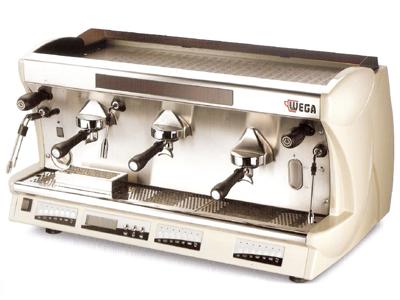
Most espresso machines — especially heat-exchange and single-boiler models — keep a reservoir of water at near-boiling temperatures, usually between 90–105°C (194–221°F), depending on settings. This water is stored in a boiler and maintained at temperature by an internal thermostat. The ‘hot water’ or ‘steam wand hot water’ spout draws directly from this same reservoir.
This water is not filtered or specially treated. It comes straight from your tap — unless you have a water softener or filtration system installed — and it sits in a metal chamber, getting heated and cooled, over and over again.
Why Reboiling Water Is a Health Concern
Laboratory studies confirm that repeated boiling of water leads to a buildup of nitrates (NO₃⁻), which can convert into nitrites (NO₂⁻), and eventually into nitrosamines under acidic conditions like those in your stomach. Here’s how it happens:
- Nitrates occur naturally in groundwater and public water supplies.
- When water is repeatedly boiled, the concentration of nitrates increases as pure water evaporates but the dissolved solids (including nitrates) remain.
- Nitrates can convert into nitrites, which interact with hemoglobin to form methemoglobin. This impairs oxygen transport in your blood, leading to symptoms such as shortness of breath, fatigue, bluish lips or nails, and lethargy.
- In the acidic environment of the stomach, nitrites may further form carcinogenic compounds called nitrosamines.
While occasional exposure poses minimal risk, daily or even weekly consumption — as might happen if you regularly use your machine’s hot water for tea or rinsing — can compound these effects over time.
How Reboiling Harms Your Espresso Machine
Your espresso machine’s boiler isn’t just a water heater. It’s a pressurized, temperature-sensitive system where precision matters. Constant reheating causes several mechanical issues:
- Scale Buildup: Most tap water is “hard,” meaning it contains high levels of calcium and magnesium ions. When repeatedly heated, these minerals precipitate out, forming thick limescale deposits on heating elements, valves, pipes, and the boiler walls.
- Reduced Lifespan: With hard water and no treatment, an espresso machine’s effective life can drop to as little as five years. With good water and regular maintenance, you might get eight to ten years. Without either? Expect breakdowns much sooner.
- Malfunctioning Components: Scale restricts water flow, reduces heating efficiency, and can clog solenoids, valves, and pumps. Repair is possible, but expensive — sometimes more than replacing the machine.
Every time you draw hot water from the boiler for non-espresso purposes, you interrupt temperature stability and add another cycle of unnecessary heating. That’s another round of evaporation, concentration, and scaling.
Impact on Brewing Temperature & Coffee Quality
Here’s something many users overlook: when you use the hot water function during or just before brewing espresso, you destabilize the machine’s thermal equilibrium.
Espresso machines rely on precise boiler or group head temperatures to extract coffee properly — typically around 90–96°C (194–205°F). Drawing hot water for tea or cleaning drains heat and forces the boiler to work harder to reheat, often resulting in temperature swings that directly affect your shot.
That means inconsistent extractions, poor crema development, and altered flavour profiles in your espresso — all because you wanted a quick cup of hot water.
Frequently Asked Questions
Is it safe to drink water from the hot water tap on my espresso machine?
No, it’s not recommended. The water is repeatedly boiled, which concentrates nitrates and minerals. Over time, this can produce harmful substances like nitrites and possibly nitrosamines. It also contains limescale and other impurities from your tap water and the internal boiler system.
Why does repeated boiling make water unsafe?
Repeated boiling increases the concentration of dissolved solids, especially nitrates, which can turn into nitrites and then potentially into nitrosamines in your stomach. These compounds reduce oxygen transport in blood and are linked to long-term health risks including cancer.
Can boiler water damage my espresso machine?
Yes. Hard water causes calcium and magnesium to build up as limescale on heating elements, valves, and internal pipes. This reduces efficiency, damages components, and can shorten the machine’s lifespan from 8–10 years to as little as 3–5 years without proper care.
How often is too often to use the hot water function?
Even occasional non-espresso use can affect temperature stability. Daily or weekly use for tea, cleaning, or other purposes leads to repeated boiling, scaling, and potential health risks. It’s best reserved for true emergencies or avoided entirely.
What’s the best way to get hot water for tea or cleaning?
Use a separate kettle or water heater. This avoids unnecessary heating cycles in your espresso machine, protects its boiler and components, and ensures you’re not drinking or using overly boiled, mineral-saturated water.
Recommended FrontStreet Beans for Home Espresso
For home baristas pulling shots daily, FrontStreet Coffee’s Classic Blend offers a rich balance of dark chocolate, hazelnut, and caramel — ideal for everyday espresso. If you prefer brighter notes, the Specialty Blend highlights citrus, red apple, and brown sugar, perfect for lighter palates. Both are freshly roasted and compatible with standard home machines. Freshly roasted within 5 days · Orders placed before 17:00 ship the same day · Next-day delivery across most of Guangdong Province.
FrontStreet Coffee is a long-established specialty coffee roaster in Guangzhou China, selling freshly roasted beans from its own farm in Yunnan as well as dozens of carefully selected single-origin beans from around the world for both pour-over and espresso. The products deliver consistently excellent quality and great value, with shipping within 24 hours. Guangzhou's FrontStreet Coffee shop is recommended by many coffee lovers, and the beans are now available online at the Tmall 。
Important Notice :
前街咖啡 FrontStreet Coffee has moved to new addredd:
FrontStreet Coffee Address: 315,Donghua East Road,GuangZhou
Tel:020 38364473