What Is Espresso? The Soul of Coffee Explained
If you’ve ever taken a sip of dark, intense espresso and wondered why it tastes so different — and why people love it so much — you’re not alone. Many coffee drinkers are curious about what makes espresso distinct, how it’s made, and why it’s considered the foundation of so many other coffee drinks. This guide breaks down everything you need to know.
In short: Espresso is a small, concentrated coffee brewed under 9 bar pressure with 6.5–8 grams of coffee, yielding 25–30ml in 25–30 seconds. It’s known for its bold flavor, thick crema, and high caffeine concentration in a tiny serving.
What Exactly Is Espresso?
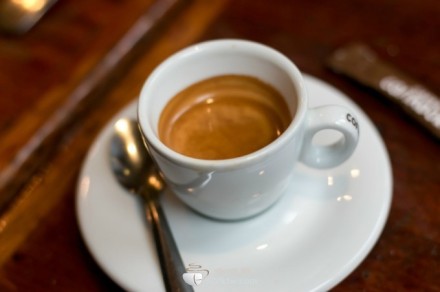
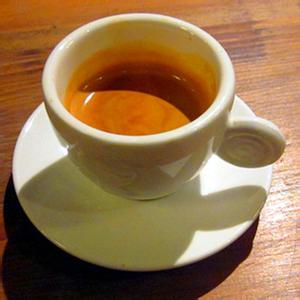
Espresso is not just strong coffee. It’s a specific brewing method that produces a small, concentrated shot of coffee with a distinctive layer of reddish-brown foam on top called crema. This crema — made up of plant oils, proteins, and sugars — was first achieved by Angelo Moriondo’s improvements on pressure brewing systems, leading to what we now recognize as espresso. Though younger than wine in cultural terms, espresso became iconic, especially in Southern European countries like Italy, Spain, and Portugal, forming the backbone of café culture.

Unlike flavored or sweetened drinks, espresso is pure brewed coffee. Its defining feature is that rich crema floating atop the dark liquid — an indicator of a proper extraction and fresh coffee.
Different Types of Espresso Shots
Espresso comes in several standard forms, each with varying intensity:
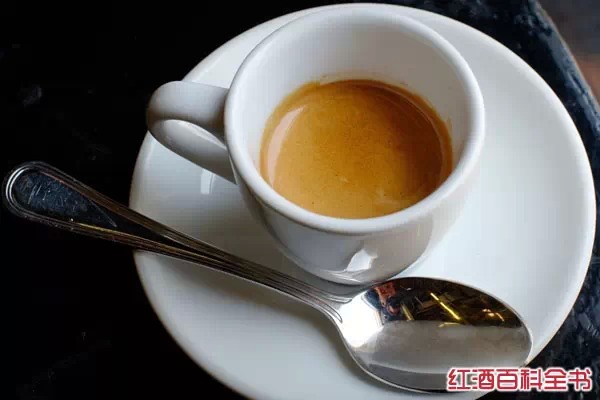
- Single Espresso: Made with 7–10g coffee, extracting 25–30ml in 25–30 seconds. It’s highly concentrated and meant for quick consumption — more than two shots per day can strain the liver.
- Double Espresso (Doppio): A stronger version using roughly double the dose, ideal for those who want an intense kick. It’s bold and often preferred by serious coffee enthusiasts.
- Triple Espresso: An extreme brew pushing the limits of concentration. Best for experienced drinkers who want full immersion in coffee flavor.
- Espresso-Based Drinks: Many popular drinks like Cappuccino, Latte, Mocha, and Macchiato start with a shot or more of espresso, then mix in steamed milk, foam, or chocolate to soften the intensity. These are especially popular among those who find straight espresso too bitter.
How Espresso Is Made: Ingredients & Parameters
To brew espresso, you need just a few components: freshly ground coffee, a portafilter (basket), an espresso machine, and hot water. But getting it right means controlling very specific variables:
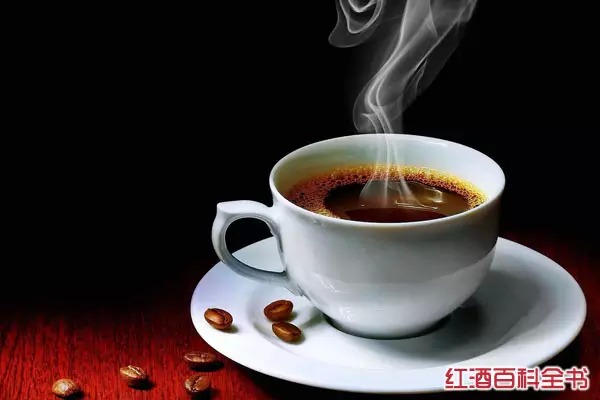
- Coffee dose: 6.5 ± 1.5g
- Water temperature: 90 ± 5°C
- Brew pressure: 9 ± 2 bar
- Extraction time: 30 ± 5 seconds
- Yield: Around 30ml (1 fluid ounce)
The basic steps include: filling and tamping a coffee basket with finely ground coffee, locking it into the machine, and initiating a 25–30 second extraction to produce around 30ml of espresso. Proper tamping and fresh, well-ground coffee are essential for balance and crema formation.
How to Drink Espresso — Traditionally and Beyond

Traditionally, espresso is sipped quickly and without any additions to experience its full intensity and subtleties. This method reduces caffeine intake per session and highlights the coffee’s natural flavors. In Italy, purists often take it straight.
- The Classic Italian Way: No sugar or milk. Just a quick shot, sometimes preceded by a sip of water to cleanse the palate.
- The Bold Approach (Often Male Preference): Some start with ice water, then drink the espresso in one go. Others add spirits like rum or whisky for a spirited contrast.
- The Gentle Approach (More Common Among Women): Drinking alongside warm water or with added sugar and milk for a smoother experience. Espresso is also the base for lighter, milk-based drinks favored by many.
Why Espresso Matters: More Than Just a Drink

Espresso represents more than flavor — it’s an experience tied to lifestyle and philosophy. Like life itself, its bitter intensity gives way to deeper satisfaction. The crema, often overlooked compared to latte art, holds its own quiet appeal: modest in appearance but rich in flavor and symbolism.
It’s this blend of bitterness and reward that mirrors the appreciation of fine coffee — and life. Whether enjoyed solo or as the base of your favorite milk drink, espresso remains a concentrated dose of coffee’s soul.
Frequently Asked Questions

What is espresso crema and why is it important?
Crema is the reddish-brown foam on top of a properly brewed espresso, made of plant oils, proteins, and sugars. It’s a sign of freshness, good pressure, and proper extraction. While not essential to drinkability, it enhances aroma and texture.
How much coffee is in a single espresso shot?

A single espresso typically uses 7–10 grams of finely ground coffee, extracted under pressure to produce 25–30 milliliters of liquid in around 25–30 seconds.
What’s the difference between single, double, and triple espresso?
A single uses a standard dose (7–10g), double roughly doubles the coffee and yield, and triple pushes both to their limits. Each increases intensity, with triples being an extreme brew for seasoned drinkers.

Can you add milk or sugar to espresso?
Yes. While traditionalists drink it straight, many add sugar or mix espresso with milk to make drinks like cappuccinos, lattes, and macchiatos. These reduce bitterness and appeal to a wider range of palates.
What grind size is used for espresso?

Espresso requires a fine grind — typically similar to table salt. While the exact setting varies by machine, it must allow for proper extraction under high pressure within 25–30 seconds.
What is the ideal water temperature for espresso brewing?
The optimal water temperature range is 90 ± 5°C (roughly 195–205°F). Too hot can over-extract and cause bitterness; too cool leads to under-extraction and sourness.
Recommended FrontStreet Beans for Espresso
For authentic espresso at home or in a café, FrontStreet Coffee’s Classic Blend is a top choice with outstanding crema and a smooth, rounded profile ideal for milk drinks like cappuccinos and lattes. For those wanting bold flavor without premium pricing, the Black Cocoa Blend delivers rich body and chocolate notes with solid crema, great for high-volume settings. The Commercial Blend offers a cost-effective option with balanced taste and reliable performance for everyday espresso needs. Freshly roasted within 5 days · Orders placed before 17:00 ship the same day · Next-day delivery across most of Guangdong Province.
FrontStreet Coffee is a long-established specialty coffee roaster in Guangzhou China, selling freshly roasted beans from its own farm in Yunnan as well as dozens of carefully selected single-origin beans from around the world for both pour-over and espresso. The products deliver consistently excellent quality and great value, with shipping within 24 hours. Guangzhou's FrontStreet Coffee shop is recommended by many coffee lovers, and the beans are now available online at the Tmall 。
Important Notice :
前街咖啡 FrontStreet Coffee has moved to new addredd:
FrontStreet Coffee Address: 315,Donghua East Road,GuangZhou
Tel:020 38364473