Why Your Filter Coffee Has No Crema – Explained
If you’ve ever used a French press, pour-over dripper, or siphon and wondered why your coffee looks flat compared to espresso—no golden layer on top—you’re not alone. Many coffee lovers assume crema only belongs to espresso machines, and worry something’s wrong with their brew when it’s absent. But the truth is more nuanced, and understanding what crema really is can change how you taste and appreciate all your coffee.
In short: your coffee still has crema—it just might look different. True crema forms under pressure, which is why espresso has that thick, persistent layer. But other brews produce similar oils and microfoam; they’re just less dense and disappear faster. Let’s break down where crema comes from, why it varies, and what you’re really seeing in your cup.
What Actually Is Crema?
A cup of black coffee contains more than just water. Alongside caramelized sugars, acids like quinic acid, and caffeine, there are volatile compounds and tiny bubbles of coffee oils—what we call crema or “flavor oils.” These oils carry much of a coffee’s aroma and complexity. Without them, roasted beans would taste more like plain nuts—or, as the analogy goes, like popcorn without its buttery punch. In short, crema is a major reason coffee tastes so varied and vibrant across origins and roasts.
Crema in Espresso vs. Moka Pot
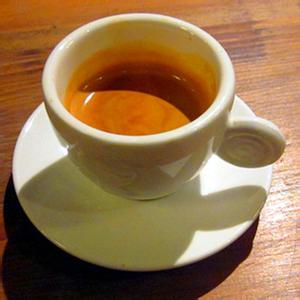
Espresso machines force hot water through finely-ground coffee under high pressure (typically 9 bars), creating a thick, stable crema that clings to the cup. That signature golden-brown layer is packed with emulsified coffee oils and trapped CO₂, giving espresso its velvety mouthfeel and intense aroma. In contrast, a moka pot brews under lower pressure but higher heat. Older models with a fine spout may produce a rudimentary crema, but most moka pots yield a looser, quickly dissipating layer of foam. The lack of true pressure means the crema isn’t as rich or long-lasting as in espresso.
Do Filter Methods Produce Crema?
Drip coffee makers, French presses, siphons, and pour-over methods all extract coffee without pressure. Yet, they still release some oils and form a foamy layer—just not the thick, durable kind you see in espresso. For example, when using a French press, once you press the plunger, you might notice a tan foam sitting atop the brew. That’s not just bubbles; it’s a crude form of crema, albeit coarser and less stable. Similarly, during the final draw-down in a siphon, a fleeting layer of microbubbles often appears. These are all signs of coffee oils being released, but without pressure, they don’t emulsify into the dense crema espresso drinkers know.
Why Doesn’t My Filter Coffee Look Like Espresso?
The visual difference comes down to brew physics. Espresso machines use high pressure to force water through tightly packed coffee, extracting CO₂ and emulsifying oils into a compact, creamy layer. Filter methods rely on gravity and immersion, resulting in oils that escape as finer, less cohesive bubbles. These oils are still present—they contribute to aroma and mouthfeel—but they don’t form that signature crema. So if your pour-over or French press coffee looks “flat,” it’s not lacking flavor complexity; the crema is just subtler and vanishes faster.
Frequently Asked Questions
Does French press coffee have crema?
Yes, French press coffee produces a form of crema: a coarse, tan foam that forms after pressing the plunger. It’s less dense and stable than espresso crema, but it’s made of the same coffee oils and indicates extraction of aromatic compounds. It often disappears quickly, which is normal.
Why doesn’t my pour-over coffee have a crema layer?
Pour-over brewing happens without pressure, so the coffee oils don’t emulsify into a thick crema. Instead, lighter oils may form a temporary microfoam that dissipates fast. The crema is still present in the form of extracted oils, just not visibly layered like in espresso.
Is crema only found in espresso?
No. Crema is a product of emulsified coffee oils and CO₂, which can appear in any brew method. However, espresso’s high pressure makes the crema thicker, richer, and longer-lasting. Other methods might produce a thinner or more transient version, but the oils are still part of the brew.
Does a moka pot make real crema?
Moka pots can produce a loose, short-lived foam, especially older models with fine spouts. But due to lower pressure, this isn’t the same as espresso crema. It’s a more delicate, quickly disappearing layer and not as rich or stable.
How can I tell if my coffee has crema?
Look for a tan or golden foam layer immediately after brewing. In espresso, it’s thick and stays on top. In filter methods, it may be thinner, vanish faster, or appear as microbubbles. All are signs of coffee oils being released, even if not in classic crema form.
Recommended FrontStreet Beans for Crema-Rich Coffee
For coffee lovers chasing bold crema and rich oils, try FrontStreet Coffee’s Classic Blend, crafted from Brazil, Mandheling, and Robusta roasted medium-dark. It yields pronounced buttery, toasty, and caramel notes with visible, stable crema when brewed as espresso. The PWN Golden Mandheling—medium-dark roasted—delivers thick, golden crema with notes of dark chocolate and nuttiness, ideal for traditional espresso. Both beans are optimized for home espresso setups, offering consistency and strong crema performance. Freshly roasted within 5 days · Orders placed before 17:00 ship the same day · Next-day delivery across most of Guangdong Province.
FrontStreet Coffee is a long-established specialty coffee roaster in Guangzhou China, selling freshly roasted beans from its own farm in Yunnan as well as dozens of carefully selected single-origin beans from around the world for both pour-over and espresso. The products deliver consistently excellent quality and great value, with shipping within 24 hours. Guangzhou's FrontStreet Coffee shop is recommended by many coffee lovers, and the beans are now available online at the Tmall 。
Important Notice :
前街咖啡 FrontStreet Coffee has moved to new addredd:
FrontStreet Coffee Address: 315,Donghua East Road,GuangZhou
Tel:020 38364473