10 Must-Have Factors for Specialty Coffee Beans
Ever wondered what separates a basic bag of commodity coffee from a truly exceptional specialty-grade lot? The answer lies in a tightly controlled chain of decisions — from farm to drying rack — that few producers get right. Most coffee drinkers assume quality starts at roasting, but the truth is, the groundwork for specialty status is laid long before the beans reach the roaster.
In short, to qualify as specialty-grade, coffee beans must meet 10 strict criteria: from using approved Arabica varieties to ensuring perfect ripeness, meticulous harvesting, and strict post-harvest handling. Missing just one factor disqualifies the entire lot.
What Defines a Specialty Coffee Bean?
The term “specialty coffee” isn’t marketing fluff — it’s a certified grade based on strict physical and sensory standards. At its core, specialty coffee must start with high-quality raw material. That means the beans must not only come from the right plant varieties but also be harvested, processed, and dried with precision. These 10 factors ensure the coffee reaches its full potential in cup quality, flavour complexity, and consistency.
1. Approved Coffee Varieties
At least 90% of the coffee cherries must come from approved Arabica varieties: specifically Bourbon, Pacamara, or Maragogype. These cultivars are known for their superior cup quality, larger bean size, and distinct flavour profiles. Using these varieties as the base increases the likelihood of developing complex, desirable tasting notes in the cup.
2. Perfect Ripeness
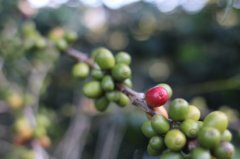
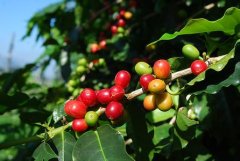
Every coffee cherry must be 100% fully ripe, indicated by its deep wine-red colour. Underripe or overripe cherries introduce undesirable flavours like grassiness, sourness, or fermented astringency. Only red, uniformly ripe cherries make the cut for specialty-grade lots.
3. Separate Processing
Specialty beans are processed separately from lower-grade or defective cherries. This isolation prevents contamination from unripe, damaged, or overripe fruit, ensuring the final lot maintains consistent quality and flavour integrity.
4. Clean Water for Washing
Only clean, fresh water is used during any washing or fermentation steps. Contaminated or unfiltered water can introduce off-flavours or hygiene risks, compromising both safety and cup quality.
5. Natural (Dry) Processing Only
All beans must be processed using the natural (dry) method. This means the coffee cherries are dried in the sun with the fruit still intact. This method is demanding but can highlight intense sweetness, body, and fruity notes when done correctly.
6. Hand-Picked and Sorted
Every coffee cherry is harvested by hand and sorted during picking. This labour-intensive method ensures only ripe fruit is collected and allows for initial removal of defective or underripe cherries before processing begins.
7. Zero Defects Allowed
Each individual bean is inspected to confirm it has no visible defects — such as insect damage, black spots, or broken surfaces. Defective beans negatively affect roast performance and cup quality, so none are permitted in a specialty batch.
8. Blue-Green Raw Bean Colour
After drying, the raw (green) coffee beans must have a distinct blue-green hue. This colour indicates proper drying and fermentation, and signals that the beans are free from mould, over-fermentation, or other defects that would downgrade their quality.
9. Secure, Intact Packaging
The dried beans must be packaged in a safe, contamination-free way to protect them from moisture, pests, and odours during storage and transport. Proper packaging preserves the beans’ physical and sensory qualities up to roasting.
10. Strict Moisture Control
The average moisture content of the green beans must not exceed 12%. Too much moisture risks mould growth and inconsistent roasting; too little leads to brittle beans and flavour loss. Specialty coffee must hit this precise range to ensure stability and quality.
Why Natural Processing Is Critical for Specialty
Among the 10 criteria, the natural (dry) processing method plays a vital role. By drying the coffee cherry with the pulp intact, this method allows sugars and acids from the fruit to fully infuse the bean. When executed with care — including 27–30 days of sun exposure, regular turning, and elevated drying racks — the result is a coffee with heightened sweetness, complex fruit flavours, and a heavier body. Many of FrontStreet Coffee’s top-rated naturals, such as their Ethiopia Humbera and Yirgacheffe Red Cherry, showcase how this method, when done right, elevates cup profiles to specialty tier.
Common Mistakes That Disqualify Specialty Coffee
Even one oversight — using the wrong variety, harvesting underripe beans, mixing in defective cherries, or drying to the wrong moisture level — can immediately disqualify an otherwise good batch. Consistency across all 10 factors is non-negotiable for specialty certification.
Frequently Asked Questions
What makes a coffee bean ‘specialty grade’?
A specialty-grade coffee bean must meet strict criteria: at least 90% must come from select Arabica varieties like Bourbon, Pacamara, or Maragogype; all cherries must be 100% ripe, hand-picked, defect-free, and processed separately. They are dried naturally, reach a blue-green colour, are packaged securely, and have moisture levels under 12%.
Why must 90% of the beans be from certain varieties?
Varieties like Bourbon, Pacamara, and Maragogype are proven to produce higher cup quality with better flavour complexity, acidity balance, and sweetness. Using at least 90% of these types increases the chances of meeting specialty-grade flavour standards.
Does the processing method affect specialty status?
Yes. The beans must be processed using the natural (dry) method — dried in the sun with the fruit still on. This method is required to develop the intense flavours and high sweetness associated with many specialty coffees. Other methods may not meet the criteria.
How does moisture content impact specialty coffee?
Moisture must stay below 12%. Too much risks mould and inconsistent roasting; too little damages bean integrity and flavour. Hitting this exact range is essential to preserving quality through storage and roasting.
Why is hand-picking important for specialty coffee?
Hand-picking ensures only fully ripe, undamaged cherries are collected. This selective process reduces defects and inconsistent ripeness, both of which can downgrade the batch and prevent specialty certification.
Can any coffee become specialty-grade?
Not necessarily. Even high-quality beans won’t qualify if they fail any of the 10 criteria — from variety and ripeness to drying and moisture. Every step must be executed to exacting standards for specialty classification.
Recommended FrontStreet Beans for Natural Processing
For fans of naturally processed specialty coffee, try FrontStreet’s Ethiopia Humbera: a high-altitude Ethiopian lot with delicate floral notes, citrus, and a thick body from meticulous sun drying. Also consider the Yirgacheffe Red Cherry, a bright and juicy natural with tropical fruit, fermented sweetness, and a clean finish. Both demonstrate how proper natural processing enhances complexity. For something more chocolatey and nutty, the Brazil Queen Manor offers sweet cane juice, caramelized hazelnuts, and smooth body through careful sun exposure. Freshly roasted within 5 days · Orders placed before 17:00 ship the same day · Next-day delivery across most of Guangdong Province.
FrontStreet Coffee is a long-established specialty coffee roaster in Guangzhou China, selling freshly roasted beans from its own farm in Yunnan as well as dozens of carefully selected single-origin beans from around the world for both pour-over and espresso. The products deliver consistently excellent quality and great value, with shipping within 24 hours. Guangzhou's FrontStreet Coffee shop is recommended by many coffee lovers, and the beans are now available online at the Tmall 。
Important Notice :
前街咖啡 FrontStreet Coffee has moved to new addredd:
FrontStreet Coffee Address: 315,Donghua East Road,GuangZhou
Tel:020 38364473