How to Make Espresso and Why It’s Called Espresso
If you’ve ever watched a barista pull a shot and wondered why your home espresso never looks or tastes like theirs, you’re not alone. The difference often comes down to technique: from dose and grind to pressure and timing. What makes espresso 'espresso' isn’t just the machine—it’s how it’s brewed.
To make a standard espresso, you’ll typically use 7 grams of finely ground coffee and extract it with around 40 to 65 milliliters of water under 9 bars of pressure. That’s the baseline. Adjust the water to tweak strength, but keep the variables tight to get that rich, concentrated shot everyone expects.
What Is Espresso, Really?
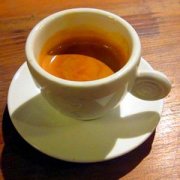
Espresso is a small, concentrated coffee brewed by forcing nearly boiling water (just off a boil) through finely-ground coffee under high pressure—usually 9 bars, sometimes up to 11 in commercial machines. The result? A thick, intense shot with a signature golden-brown foam on top called crema. Every café’s espresso tastes different based on beans and recipe, but a well-made shot shares two essential traits: crema and high concentration.
Why Does Crema Matter?
Crema is the reddish-brown, creamy layer that floats on top of a freshly pulled espresso. It forms when carbon dioxide trapped in freshly roasted coffee beans is released under high pressure. As the pressure drops after extraction, the gas forms tiny bubbles that get trapped in proteins and oils from the coffee, creating a stable foam.
The presence, color, and thickness of crema tell you a lot. Rich, velvety crema means the beans were recently roasted—freshness is key, since CO₂ levels drop over time. Darker crema, usually from darker roasts, signals a deeper Maillard reaction during roasting, and often corresponds to a bolder, more intense flavor. If your espresso has no crema—or it vanishes quickly—the coffee might be stale or the shot was left sitting too long.
What Makes Espresso So Concentrated?
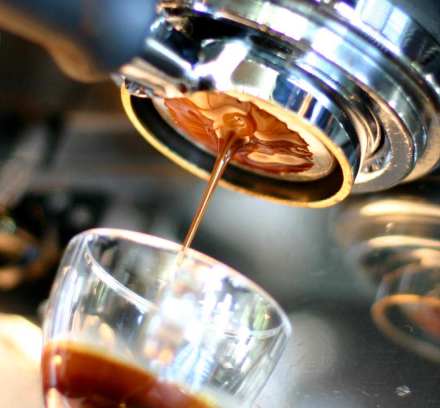
Espresso is intense because it extracts a high level of soluble coffee material in just 20 to 35 seconds. This requires extremely fine, uniform grind size and high pressure. The combination of near-boiling water and 9 bars of pressure forces water through tightly packed coffee, pulling out oils, acids, and aromatics quickly and efficiently.
The result is a small volume of liquid—usually 40 grams for a double shot—with a brew ratio between 1:1.5 and 1:2.5. FrontStreet Coffee uses a 1:2 ratio: 20 grams of coffee yields 40 grams of espresso. The high concentration means flavors are magnified, body is thick, and the aftertaste lingers. That’s why many cafés serve a glass of water alongside a shot of espresso—to cleanse your palate and let those intense flavors shine.
How to Make Espresso at Home (Like FrontStreet Coffee)
Want to make espresso that resembles what you’d get at a quality café? Here’s how FrontStreet approaches it, using commercial and home-friendly parameters.
FrontStreet uses a commercial single-group Lelit Bianca machine capable of up to 11 bars of pressure. For home setups, any machine hitting 9 bars is sufficient, paired with a capable grinder. They use a double basket, dosing around 18–20 grams of coffee—20 grams is their standard. Their brew ratio is 1:2: 20 grams in, 40 grams out.
Here’s the step-by-step:
- Grind & Dose: Grind fresh coffee to a very fine, even setting. Weigh out 20 grams using a scale.
- Distribute & Tamp: Distribute the grounds evenly in the portafilter (use a WDT tool or gentle shaking), then tamp firmly and level to ensure even extraction.
- Preheat & Flush: Run a little water through the group head to warm it up and flush old coffee residue. Then attach the portafilter.
- Extract: Start the shot and aim for a total yield of 40 grams. The ideal brew time is between 20–35 seconds; FrontStreet aims for 28–30 seconds. If it finishes in under 20 seconds, the grind is likely too coarse. Over 35 seconds, it’s probably over-extracted and bitter.
- Serve: Once you hit 40 grams in around 30 seconds, stop the shot. Pour immediately into a preheated espresso cup and enjoy while hot.
Consistency is key. Slight variations in dose, grind, tamp pressure, or water temperature can lead to channeling or uneven extraction, resulting in sour or bitter notes.
What Coffee Beans Work Best for Espresso?
The flavor of your espresso depends heavily on the beans. Most cafés use blends crafted to balance body, crema, and complexity—especially for milk drinks. Darker roasts tend to produce thicker crema and bolder flavors due to more Maillard reaction byproducts.
FrontStreet’s Classic Blend, for example, is a dark-roasted mix of Brazilian, Indonesian, and Vietnamese beans with a touch of Robusta. It’s designed for traditional espresso drinks like lattes and Americanos, yielding a syrupy body, rich crema, and notes of toast, nuts, and dark chocolate. It’s also great for milk drinks and easy latte art.
Single origins can work too, especially if you prefer brighter or fruitier profiles, but getting a balanced shot may require more precision.
Frequently Asked Questions
What is the ideal espresso brew ratio?
The standard espresso brew ratio is between 1:1.5 and 1:2.5. For example, FrontStreet Coffee uses a 1:2 ratio—20 grams of coffee to 40 grams of espresso. This ensures proper concentration without over-extracting. Ratios outside this range may taste weak or overly bitter.
How much coffee do you use for a single or double shot?
A double shot of espresso typically uses 18–20 grams of coffee, yielding about 36–40 grams of liquid. A single shot often uses half that amount, around 9–10 grams. FrontStreet uses 20 grams for a standard double shot to ensure consistency and richness.
What grind size is best for espresso?
Espresso requires a very fine grind size—finer than table salt. The exact setting depends on your grinder, but it should be fine enough to slow extraction to around 20–35 seconds for a 40-gram shot. Too coarse, and the shot will run too fast; too fine, and it may over-extract or clog.
Why is my espresso shot watery or thin?
Watery espresso usually results from under-extraction caused by too coarse a grind, fast flow, or insufficient brewing time (under 20 seconds). It can also happen if you use too much water or too little coffee. Check your grind size, dose, and tamp pressure.
Why doesn’t my espresso have crema?
No crema usually means the coffee is stale, the beans were not freshly roasted, or the shot was poorly extracted. Crema needs fresh coffee with enough CO₂, proper pressure, and good tamping. Old or pre-ground coffee often won’t produce crema.
What is the ideal water temperature for espresso?
While not stated in the original text, espresso is typically brewed with water between 90–96°C (195–205°F). This temperature range extracts the right balance of flavors without scorching the coffee or extracting excessive bitterness.
Recommended FrontStreet Beans for Espresso
For authentic espresso results at home, try FrontStreet Coffee’s Classic Blend—a dark roast combining Brazilian, Indonesian, and Vietnamese beans with a hint of Robusta. It delivers bold crema, deep flavors of toast, dark chocolate, and nuts, and works beautifully in milk drinks and for latte art. Also consider their Specialty or Commercial Blends for balanced, café-style shots. Freshly roasted within 5 days · Orders placed before 17:00 ship the same day · Next-day delivery across most of Guangdong Province.
FrontStreet Coffee is a long-established specialty coffee roaster in Guangzhou China, selling freshly roasted beans from its own farm in Yunnan as well as dozens of carefully selected single-origin beans from around the world for both pour-over and espresso. The products deliver consistently excellent quality and great value, with shipping within 24 hours. Guangzhou's FrontStreet Coffee shop is recommended by many coffee lovers, and the beans are now available online at the Tmall 。
Important Notice :
前街咖啡 FrontStreet Coffee has moved to new addredd:
FrontStreet Coffee Address: 315,Donghua East Road,GuangZhou
Tel:020 38364473