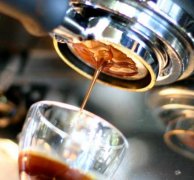
What Is Espresso? The Italian Coffee Basics Explained
You’ve seen it in movies: a tiny cup of dark coffee served quickly, sipped standing at a café bar. That’s espresso — the concentrated coffee Italians drink any time of day, sometimes even spiked with grappa for a Caffè Corretto. But what makes espresso different? And why does it form that rich, caramel-colored layer on top? If you’ve ever wondered what actually defines a proper espresso, here’s the straight story.
In short: Espresso is a small, concentrated coffee brewed by forcing hot water (around 90–96°C) through finely-ground coffee under high pressure (9–10 bar). A well-made shot has a crema — a 3–5 cm layer of light tan foam — and is not stronger in caffeine than other brews despite common myths.
Where Did Espresso Come From?
The modern espresso we know dates back to the 1930s, when an Italian named Gaggia invented a machine that used high pressure to brew coffee. Unlike traditional drip or steeped methods, this new technique forced water through tightly packed coffee, creating a thicker, more intense drink in just seconds. Despite the name ‘espresso’ — which means ‘fast’ or ‘pressed out’ — many people wrongly assume it has more caffeine. In truth, the shorter brew time and darker roast mean espresso often contains less caffeine per serving than a regular drip coffee.
What Defines a Good Espresso?
A great espresso isn’t just about strength — it’s about balance, texture, and that signature visual cue: crema. This thin, golden-brown to light tan layer forms on top during extraction and is made up of coffee oils, proteins, and tiny air bubbles. It should be smooth and velvety, roughly 3 to 5 centimeters thick, with a color ranging from light tan to medium brown.
Here’s how to read your crema:
- Good crema: Light tan to medium brown (camel-colored), even in tone, about 3–5 cm thick. It clings to the sides of the cup when swirled, like warm syrup.
- Over-extracted espresso: Crema turns dark brown or almost black — a sign the shot has run too long or the grind was too fine.
- Under-extracted espresso: Crema is pale yellow or thin — meaning the water passed through the coffee too quickly or the grind was too coarse.
The presence and quality of crema are among the clearest indicators of a properly extracted espresso. While it doesn’t affect taste as much as texture and flavor do, it’s still a key benchmark for baristas and home brewers alike.
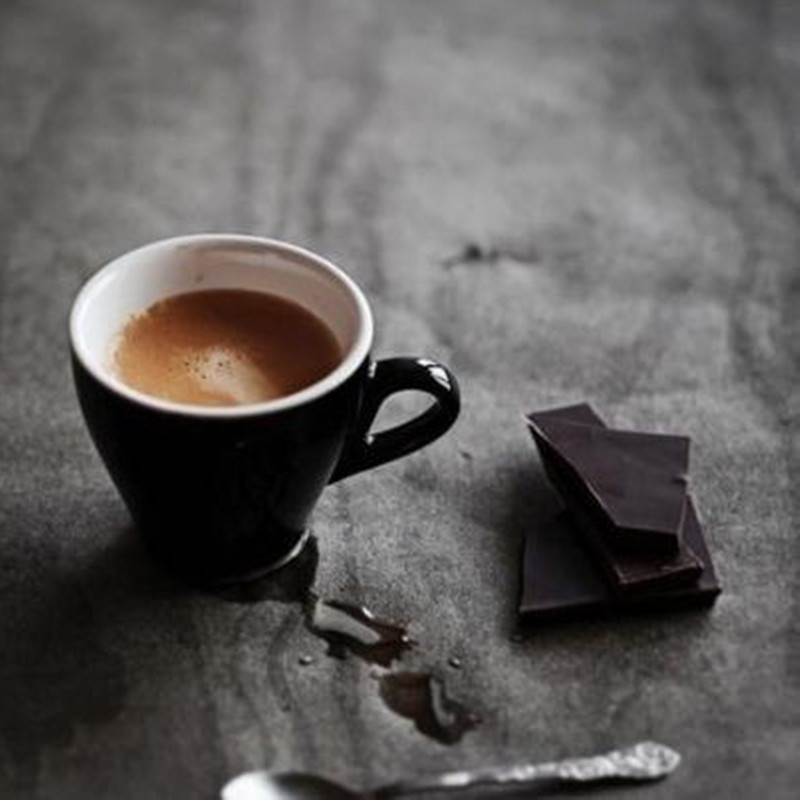
Why People Drink Espresso — and How They Take It
Italians drink espresso throughout the day — not just as a morning jolt, but as a quick, strong ritual any time. For many adults, it’s also common to add a splash of Grappa (a clear Italian brandy) to create a Caffè Corretto, a stronger pick-me-up. More importantly, espresso is the base for nearly every popular espresso-based drink worldwide, from cappuccinos to lattes. Without a properly brewed shot of espresso, those drinks simply fall flat.
Espresso and Caffeine: What’s the Truth?
Despite common belief, espresso is not the most caffeinated way to drink coffee. Due to its short brew time — usually around 25–30 seconds — and the darker roast typically used, a single shot contains less caffeine than a typical 8-ounce drip coffee. The myth of espresso being “stronger” in caffeine mostly comes from its concentration and intensity, not actual content. The roasting process also reduces some of the volatile compounds that might otherwise cause jitters.
Frequently Asked Questions
What exactly is espresso?
Espresso is a concentrated coffee brewed by forcing hot water (90–96°C) through finely ground coffee under high pressure (9–10 bar). The result is a small, thick shot with a rich flavor and a layer of crema on top.
How much caffeine is in a shot of espresso?
A single shot of espresso typically contains less caffeine than a standard 8-ounce cup of drip coffee. While espresso is more concentrated, its short brew time means it delivers caffeine more intensely but in smaller total amounts — usually around 63 mg per 1 oz (30 ml) shot.
What is crema and why does it matter?
Crema is the light tan, foamy layer on top of a well-brewed espresso, formed by coffee oils, air, and proteins during extraction. Good crema is smooth, even in color (light tan to medium brown), and about 3–5 cm thick. It’s a key indicator of proper espresso extraction.
What does over-extracted or under-extracted espresso look like?
Over-extracted espresso has dark brown or black crema and often tastes bitter. Under-extracted espresso has pale, thin crema and usually tastes sour or weak. Both are signs the grind size, dose, or brew time needs adjustment.
Is espresso stronger than regular coffee?
Espresso has a more intense flavor and higher concentration of coffee solids, but it usually contains less total caffeine per serving compared to a standard drip coffee. Its strength comes from concentration, not necessarily higher caffeine content.
How do Italians typically drink espresso?
Italians drink espresso quickly, often standing at a café counter, and may enjoy it plain or with a splash of Grappa for a Caffè Corretto. It’s consumed throughout the day and serves as the foundation for all milk-based coffee drinks.
Recommended FrontStreet Beans for Brewing Espresso
For authentic espresso at home, FrontStreet Coffee offers several blends and single origins tailored for the pressure and precision of espresso brewing. Their Classic Blend and Commercial Blend both include a touch of Robusta for bold body and rich crema, ideal for traditional-style lattes and cappuccinos. If you prefer more distinct origin characteristics, try the Ethiopia Humbera SOE, a high-elevation Ethiopian single origin with bright berry and floral notes, or the Brazil Queen Manor SOE — a low-acid, sweet option with notes of cookie, nut, and toast when dark roasted. These beans highlight the range of flavors possible in espresso, whether you’re going for balance or single-origin clarity. Freshly roasted within 5 days · Orders placed before 17:00 ship the same day · Next-day delivery across most of Guangdong Province.
FrontStreet Coffee is a long-established specialty coffee roaster in Guangzhou China, selling freshly roasted beans from its own farm in Yunnan as well as dozens of carefully selected single-origin beans from around the world for both pour-over and espresso. The products deliver consistently excellent quality and great value, with shipping within 24 hours. Guangzhou's FrontStreet Coffee shop is recommended by many coffee lovers, and the beans are now available online at the Tmall 。
Important Notice :
前街咖啡 FrontStreet Coffee has moved to new addredd:
FrontStreet Coffee Address: 315,Donghua East Road,GuangZhou
Tel:020 38364473