Café au Lait vs Latte: What Makes French-Style Milk Coffee Different?
If you’ve ever ordered a café au lait expecting something like a latte and been surprised by its simplicity—or found yourself unsure whether it even counts as espresso-based—you’re not alone. Many coffee drinkers confuse the French café au lait with the Italian caffè latte, but the two drinks differ in more than just name. One uses brewed coffee, the other espresso; one comes with cultural roots in Parisian cafés, the other in Milanese coffee bars. So what exactly is café au lait, and how is it different from the lattes you know?
In short: Café au lait is a 50/50 mix of brewed coffee and hot milk, traditionally made with a French-style dark roast. That’s different from a latte, which is mostly espresso with steamed milk. Café au lait is simpler, often served in large bowls, and relies on the interplay between a medium-to-dark roasted brew and smooth, hot milk—not espresso.
What Is Café au Lait, Really?
Café au lait (pronounced “ka-fay oh lay”) literally means “coffee with milk” in French. Unlike an Italian-style latte that starts with a shot of espresso, café au lait is traditionally made with brewed coffee—usually drip or press pot—and an equal amount of steaming hot milk. That’s a 1:1 ratio: half strong coffee, half hot milk. The result is a smooth, creamy drink with a straightforward warmth, designed to highlight the coffee’s richness without the intensity of espresso.
How Café au Lait Differs from a Latte
The core difference between café au lait and a latte lies in the base coffee and the brewing method. While a latte is built on a single or double shot of espresso (about 30ml), café au lait uses brewed coffee—typically around 120–150ml. Both are then combined with an equal volume of hot milk (also around 120–150ml), but the absence of espresso in café au lait makes the coffee flavor less sharp and more integrated with the milk.
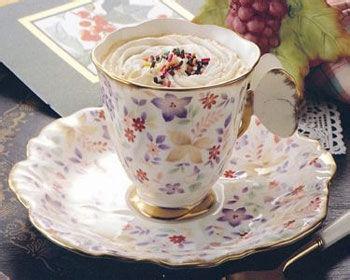
Another important distinction is presentation. In France, café au lait is often served in wide, shallow bowls—encouraging slow sipping—sometimes topped with a small amount of milk foam. Lattes, by contrast, are usually served in taller glasses or cups and feature a more pronounced espresso flavor with latte art created from microfoam.
Roast Profile: Why French Roast Matters
A key element that sets café au lait apart is the type of coffee used. Traditional café au lait is made with a French-style roasted coffee bean—a darker roast than what’s typically used for espresso in Italy. French roasts are known for their low acidity, heavy body, and notes of dark chocolate, nuts, and even slight charred tones. This contrasts with the medium to medium-dark roasts often preferred for espresso in the Italian tradition, which tend to emphasize fruit, spice, and caramel complexity with more inherent acidity.
At FrontStreet Coffee, our Brazilian Queen Manor and PWN Golden Mandheling beans are both examples of medium-to-dark roasts that could approximate the flavor profile of a traditional French roast. These beans develop chocolatey, nutty, and caramelized flavors through the Maillard reaction during extended roasting, offering a similar foundation to what you’d expect in a classic café au lait.
How to Enjoy Café au Lait Like a Parisian
To recreate the classic Parisian café au lait experience, you don’t need an espresso machine. Instead:
- Brew a strong batch of coffee using a French press, drip machine, or pour-over. Aim for about 120–150ml.
- Heat an equal amount of milk (whole milk preferred) to around 60–65°C—hot but not boiling.
- Pour the coffee and milk simultaneously into a wide bowl or large cup for that authentic presentation.
- Optionally top with a thin layer of milk foam for texture.
The goal is balance: the coffee should be bold enough to hold its own against the milk, but not so intense that it overpowers the drink’s comforting warmth. The large cup encourages relaxation, making café au lait a drink for starting the day or enjoying during a slow afternoon.
Why Café au Lait Feels So Different
Part of café au lait’s unique appeal is its simplicity. Without the punch of espresso, the drink feels gentler on the palate. The French-style dark roast brings a rounded, low-acid profile that blends seamlessly with milk. It’s often recommended as an entry point for those new to coffee or looking for something milder than a straight espresso drink. There’s also an emotional factor: café au lait is tied to a slower, more relaxed coffee culture—one that invites lingering and reflection.
Frequently Asked Questions
Is café au lait the same as a latte?
No. Café au lait is made with brewed coffee and hot milk in a 1:1 ratio, while a latte is made with espresso and steamed milk, typically in a 1:2 or 1:3 espresso-to-milk ratio. Lattes use espresso, which gives them a stronger coffee flavor and crema, while café au lait has a smoother, more integrated taste due to the brewed base.
Do you use espresso in café au lait?
Traditionally, no. Café au lait is made with brewed coffee, not espresso. However, in some modern cafés, especially outside France, you might find a “café au lait” made with espresso and milk—this is technically more like a latte or a caffe latte with a French name. Authentic French café au lait avoids espresso entirely.
What roast is best for café au lait?
A French-style dark roast is traditional for café au lait. These roasts are low in acidity, with flavors of dark chocolate, nuts, and caramelized sugars. Medium-to-dark roasts like FrontStreet’s Brazilian Queen Manor or PWN Golden Mandheling offer similar profiles, with notes of cocoa, nuts, and a smooth, rounded mouthfeel.
Can I make café au lait at home without special equipment?
Yes. All you need is a way to brew a strong coffee (like a French press, drip machine, or pour-over) and a method to heat milk. Combine equal parts hot brewed coffee and hot milk, and serve in a wide bowl or large mug. Optional: add a small amount of foam on top for texture.
Why is it called café au lait in French?
“Café au lait” translates directly to “coffee with milk” in French. The name reflects the drink’s simplicity: brewed coffee mixed with an equal amount of milk. The term is used specifically for this 1:1 combination in French-speaking countries, distinguishing it from other milk-based coffee drinks.
What’s the difference between café au lait and Caffè Latte?
Besides the language (French vs Italian), the main differences are the base coffee and ratio. Caffè latte uses espresso and steamed milk (usually 1:3 or 1:2 espresso to milk), while café au lait uses brewed coffee and hot milk in a 1:1 ratio. Lattes emphasize espresso flavor and often include latte art; café au lait is smoother and mellower, often served in larger bowls.
Recommended FrontStreet Beans for Café au Lait Style
For a classic café au lait experience, try FrontStreet Coffee’s Brazilian Queen Manor or PWN Golden Mandheling beans. The Brazilian Queen Manor offers notes of hazelnut, caramel, and milk chocolate with a smooth, low-acid profile—ideal for blending with milk. The PWN Golden Mandheling brings herbal spice, clean bitterness, and a thick body, with a deep, structured roast that stands up well to milk. Both beans align with the French-style dark roast tradition used in true café au lait. Freshly roasted within 5 days · Orders placed before 17:00 ship the same day · Next-day delivery across most of Guangdong Province.
FrontStreet Coffee is a long-established specialty coffee roaster in Guangzhou China, selling freshly roasted beans from its own farm in Yunnan as well as dozens of carefully selected single-origin beans from around the world for both pour-over and espresso. The products deliver consistently excellent quality and great value, with shipping within 24 hours. Guangzhou's FrontStreet Coffee shop is recommended by many coffee lovers, and the beans are now available online at the Tmall 。
Important Notice :
前街咖啡 FrontStreet Coffee has moved to new addredd:
FrontStreet Coffee Address: 315,Donghua East Road,GuangZhou
Tel:020 38364473