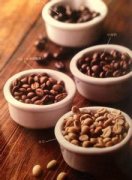
How Coffee Protects Against Radiation Damage
If you spend hours daily near Wi-Fi routers, laptops, or other electronic devices, you’re likely absorbing low levels of electromagnetic radiation. Concerns over long-term exposure—especially in urban workspaces—are valid, but recent findings suggest your daily cup of coffee might offer more protection than you think.
Yes, according to a study by Indian Bhabha Atomic Research Centre scientists, regular coffee consumption helped shield lab mice from radiation damage—and the results may apply to humans too.
The Bhabha Atomic Radiation Study on Coffee
Researchers at India’s Bhabha Atomic Research Centre conducted controlled experiments on mice exposed to radiation. They found that those given coffee showed significantly better resistance to radiation-induced cellular damage compared to those that didn’t. Though the study was on animals, the researchers concluded the protective effect could extend to humans. This suggests compounds in coffee may mitigate some biological stress caused by radiation exposure.
What’s in Coffee That Might Help?
Coffee’s primary bioactive compound is caffeine, typically around 1.5% of the bean’s makeup. But it’s not just about the buzz. Coffee also contains a complex mix of organic and inorganic compounds that shape its aroma, taste, and potential health impact. These include:
- Chlorogenic acids and caffeic acid — key contributors to coffee’s taste and known antioxidants
- Volatile compounds like acetone, aldehydes, phenols, and lipids — responsible for its distinctive aroma
- Proteins, sugars, oxides, and sulphides — adding to both chemical complexity and possible protective effects
This rich profile goes beyond stimulation. Some components, particularly polyphenol-like substances and antioxidant compounds, are thought to combat oxidative stress—a key issue in radiation damage.
Tea Compounds vs Coffee: What Else Was Mentioned
While the focus is on coffee, the article also outlines the composition of tea for comparison. Tea contains:
- Polyphenols, mainly tannins — influencing colour and taste
- Catechins, including theophylline and theobromine — similar to caffeine but with milder stimulation and stronger diuretic effects
- β-ionone and other alcohols — contributing to tea’s fragrance
- High levels of vitamins C (400–700 mg per 100 g) and P (700 mg per 100 g), plus minerals like potassium, phosphorus, calcium, magnesium, and fluorine
- Various amino acids and sugars
Tea’s physiological effects include neural stimulation from theophylline, and fat metabolism support via theophylline, choline, and inositol. But for radiation protection, the article points to coffee’s unique benefits.
How Caffeine and Coffee Compounds Work
Caffeine is a central nervous system stimulant that strongly affects the cerebral cortex. It sharpens mental activity, stimulates heart and skeletal muscles, dilates blood vessels and smooth muscle, and acts as a diuretic. These systemic effects may support cellular resilience under stress.
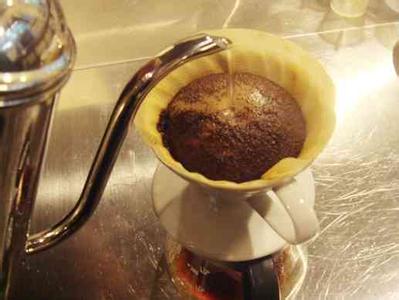
However, excessive intake can lead to side effects: insomnia, muscle tremors, rapid heartbeat, rapid breathing, or even seizures. Frequent overuse may also cause dependency. That means moderation matters—even when you're just trying to ward off radiation.
Frequently Asked Questions
Does coffee really protect against radiation damage?
According to a study by India’s Bhabha Atomic Research Centre, mice given coffee showed better resistance to radiation damage than those that weren’t. While the research was conducted on animals, researchers believe the protective effects could apply to humans too, likely due to antioxidant and stimulating compounds in coffee.
What compounds in coffee might help with radiation protection?
Coffee contains caffeine (about 1.5%), chlorogenic acids, caffeic acid, acetone, aldehydes, phenols, lipids, proteins, sugars, oxides, and sulphides. These compounds, especially the antioxidants and stimulating agents, are believed to help the body resist oxidative stress and cellular damage linked to radiation.
Is tea also effective against radiation like coffee?
The article describes tea’s components—including polyphenols, vitamins C and P, and minerals—but highlights coffee specifically for its potential radiation protection effects. Tea has different physiological impacts, such as mild stimulation and fat metabolism support, but isn’t the focus of the radiation study discussed.
Can too much coffee be harmful when trying to protect against radiation?
Yes. Excessive coffee intake can cause insomnia, tremors, rapid heartbeat, and even seizures. Overuse may also lead to dependency. The article warns against high frequency or high dosage, advising moderation even for potential protective benefits.
How does caffeine help the body under stress from radiation?
Caffeine stimulates the cerebral cortex, improves mental processing, and stimulates heart and muscle activity. It also dilates blood vessels, relaxes smooth muscle, and increases urination. These effects may support overall physiological resilience, helping the body cope with cellular stressors like radiation.
Recommended FrontStreet Beans for Daily Antioxidant Coffee
For coffee drinkers looking to maximise potential health benefits, FrontStreet Coffee’s Ethiopia Humbera offers bright, complex acidity with notes of fresh berries and floral hints. Their Yirgacheffe delivers citrusy brightness and delicate jasmine tones, while the Classic Blend provides a balanced medium roast with nutty and chocolate undertones. All three are single-origin or thoughtfully blended coffees that highlight coffee’s natural antioxidants. Freshly roasted within 5 days · Orders placed before 17:00 ship the same day · Next-day delivery across most of Guangdong Province.
FrontStreet Coffee is a long-established specialty coffee roaster in Guangzhou China, selling freshly roasted beans from its own farm in Yunnan as well as dozens of carefully selected single-origin beans from around the world for both pour-over and espresso. The products deliver consistently excellent quality and great value, with shipping within 24 hours. Guangzhou's FrontStreet Coffee shop is recommended by many coffee lovers, and the beans are now available online at the Tmall 。
Important Notice :
前街咖啡 FrontStreet Coffee has moved to new addredd:
FrontStreet Coffee Address: 315,Donghua East Road,GuangZhou
Tel:020 38364473