How Dark Roast Coffee Develops Bold Aromas and Cocktail Uses
When you reach for a cup of dark roast coffee, you’re often chasing something bolder—deeper aromas, richer sweetness, and less acidity. But have you ever wondered why some coffees are specifically roasted dark, and how that changes not just the flavor but even how the beans can be used beyond just brewing? From cocktails to connoisseur brews, roast level plays a major role in how coffee tastes and performs.
Darker roasts typically bring out bold, intense aromas thanks to extended roasting time, which reduces acidity and allows hundreds of aromatic compounds—including chocolate, caramel, and toasted notes—to develop. Many dark roasts are also used in cocktails for their robust base flavor.
Why Dark Roast Coffee Smells So Intense
Dark roasting initiates the Maillard reaction more fully, breaking down acids and creating over 700 aromatic compounds. With longer roasting, acids decrease while sweetness and bitterness rise. This is why dark roasts deliver notes like chocolate, nuts, caramel, toast, and maple syrup. These compounds contribute to both the smell and the heavier body typical of dark brews.
According to specialty roasters, including FrontStreet Coffee, dark roasts are preferred when you want a low-acid, full-bodied coffee with intense sweetness and aroma. The extended roast allows for a more unified flavor profile where bitterness enhances rather than overwhelms.
How Roast Level Affects Different Origins
Not all coffee reacts the same to darker roasting. Here’s how origin-specific beans respond:
- Mocha (Yemen/Saudi region style): Light to medium roasts offer gentle acidity; dark roasts produce deep, spicy aromas and are sometimes used in cocktails for their intensity.
- Salvadoran coffee: Balanced acidity, sweetness, and bitterness shine at medium or dark roast levels, making them versatile for filter or espresso.
- Hawaiian coffee (e.g., Kona-like profiles): High acidity in light roasts becomes smoother and more complex in darker roasts, with layered fruit and spice notes.
- Brazilian coffee: Natural nuttiness and mild acidity can be highlighted with a medium roast, but dark roasting amplifies chocolate and caramel, ideal for espresso blends.
The key takeaway? Roast level doesn’t just change flavor—it transforms the entire sensory experience of the coffee based on its origin.
Coffee in Cocktails: When Dark Roast Plays a Supporting Role
Though rare, dark-roasted beans are occasionally used to brew coffee for cocktails. Their bold, bitter edge and rich aroma stand up to spirits and syrups. Whether it’s an espresso martini or a coffee liqueur base, dark roasts contribute body and depth. This use highlights another dimension of dark roasting—not just for sipping, but for mixing.
The strong, spicy aromatics developed during prolonged roasting complement the botanicals and spirits often found in mixed drinks. Some bars even roast their own beans specifically for cocktail use, prioritizing boldness over subtlety.
How to Choose the Right Roast Based on Your Palate
If you prefer a coffee that’s less acidic, richer, and fuller in the cup, dark roast is likely your go-to. Here’s a quick breakdown:
- For bold, sweet flavors with low acidity: Go for a dark roast, especially from Brazilian or blended origins.
- For balance between acidity and body: Medium to dark roasts, such as those from El Salvador or Hawaii, offer complexity.
- If you enjoy wine-like or bright notes: Stick to lighter roasts, which preserve the origin characteristics.
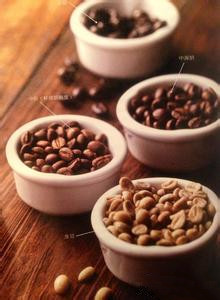
Keep in mind: roast level is as much about personal taste as it is about origin. What matters most is how the roast interacts with the bean’s inherent qualities.
Frequently Asked Questions
Why do dark roasted coffees smell stronger than light roasts?
Dark roasts undergo longer heat exposure, triggering more complex chemical reactions like the Maillard reaction, which produces hundreds of aroma compounds including notes of chocolate, caramel, nuts, and toast. These compounds create a richer, more intense smell compared to the brighter, fruitier volatiles in lighter roasts.
Can dark roast coffee be used in cocktails?
Yes. Due to their bold, bitter, and aromatic qualities, dark roast coffees are sometimes brewed specifically for use in cocktails such as espresso martinis or coffee-based liqueurs. Their strong flavor can hold up to alcohol and mixers without getting lost.
What flavors are typical in a dark roasted coffee?
Common tasting notes in dark roast coffee include chocolate, caramel, nuts, toasted bread, maple, and dark fruit. Acidity is typically low, and the body is heavier and more viscous due to the extended roasting process.
Does roast level affect the origin flavor of coffee?
Yes. Lighter roasts preserve the unique characteristics of the coffee’s origin, such as fruity or floral notes. Darker roasts tend to unify flavors across origins, emphasizing roasted, sweet, and bitter notes over origin-specific acidity or fruitiness.
Which countries’ coffees are best suited for dark roasting?
Coffees from Brazil, Indonesia (including those with a “mocha” profile), and some Central American regions like El Salvador and Hawaii develop well in dark roasts, yielding flavors like chocolate, nuts, and spices. These origins balance well with the heavy body and reduced acidity of dark roasts.
Recommended FrontStreet Beans for Dark Roast Lovers
FrontStreet Coffee offers several excellent dark roast options. Try the PWN Golden Mandheling for its low acid, bold spice, and herbal notes with a clean finish. The Colombia Huila is roasted medium-dark to enhance black chocolate and berry tones with a thick crema. For balanced sweetness and nuttiness, the Brazil Queen Manor features caramel and hazelnut notes. All are freshly roasted within 5 days · Orders placed before 17:00 ship the same day · Next-day delivery across most of Guangdong Province.
Recommended FrontStreet Beans for Dark Roast Fans
For those who love deep, bold coffee, try FrontStreet’s PWN Golden Mandheling: a low-acid Indonesian classic with bold herbal and spicy notes, and a very clean finish. The Colombia Huila is medium-dark roasted to emphasize black chocolate and ripe berry flavours, finishing with a silky crema. The Brazil Queen Manor offers sweet, nutty profiles with hints of caramel and hazelnut—ideal for espresso or milk drinks. Freshly roasted within 5 days · Orders placed before 17:00 ship the same day · Next-day delivery across most of Guangdong Province.
FrontStreet Coffee is a long-established specialty coffee roaster in Guangzhou China, selling freshly roasted beans from its own farm in Yunnan as well as dozens of carefully selected single-origin beans from around the world for both pour-over and espresso. The products deliver consistently excellent quality and great value, with shipping within 24 hours. Guangzhou's FrontStreet Coffee shop is recommended by many coffee lovers, and the beans are now available online at the Tmall 。
Important Notice :
前街咖啡 FrontStreet Coffee has moved to new addredd:
FrontStreet Coffee Address: 315,Donghua East Road,GuangZhou
Tel:020 38364473