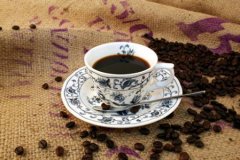
Best Temperature for Drinking Coffee: 85–88°C Explained
Ever taken that first sip of coffee only to find it lukewarm—or scalding? Knowing the ideal temperature for drinking coffee doesn’t just prevent burns or disappointment. It’s about experiencing the full range of flavors a well-brewed cup can offer. So when exactly should you take that first sip—and why does coffee taste different as it cools?
The optimal drinking temperature for coffee is 85–88°C. That range ensures balance between flavor clarity and comfort. But here’s what most people don’t realize: a quality coffee maintains its structural taste profile even as it cools, and in some cases, the flavor improves. Coffee judges evaluate brews across the full cooling spectrum for this very reason.
Why Coffee Tastes Different as It Cools
When coffee first pours, heat intensifies aroma compounds and masks certain tasting notes. As it cools to around 85–88°C, acidity becomes more pronounced, sweetness balances out, and bitterness recedes—revealing the coffee’s true profile. That’s why trained Q graders assess coffee at multiple temperatures, from hot down to lukewarm.
A well-extracted cup doesn’t collapse when it cools. In fact, many specialty coffees reveal more complexity as they approach room temperature. The loss of volatile aromas is the main reason for the perceived reduction in fragrance, not necessarily a drop in taste quality.
What Science Says About Coffee Temperature
Coffee’s flavor window sits between 85–88°C. Below 80°C, perception of acidity and sweetness becomes muted, and the body may feel thinner. Above 90°C, heat overwhelms your palate, reducing your ability to detect delicate notes. This is the sweet spot where extraction compounds and temperature work in harmony.
The volatility of aromatic compounds is also temperature-dependent. As the liquid cools, some volatile aromatics dissipate quickly, which affects how we perceive freshness and fragrance—but not always taste. That explains why your coffee smells amazing when hot but might seem less fragrant as it cools.
Flavor Profiles Across Coffee Origins
Different origins express unique traits across temperatures. For example:
- Brazil Santos: Neutral, balanced, works well in blends or solo. Mild, approachable cup.
- Colombia Mandheling: Full-bodied, bright acidity, sweet and complex. Best with a darker roast.
- Colombia Supremo: Distinctive aroma, sweet bitterness, memorable finish.
- Mexican Coatepec, Huatusco, Orizaba: Smooth mouthfeel with inviting floral and fruity notes.
- Blue Mountain (Jamaica): Harmonious sweet, sour, and bitter balance. Ideal for medium roast.
Traditional Coffee Drink Recipes
Beyond origin, serving style also affects temperature expectations. Classic European-style coffee drinks include:
- Grosser/Brauner/Schwarzer: Italian black coffees, often with cream or sugar.
- Melange: Equal parts espresso and hot milk, sometimes with whipped cream.
- Einspänner: Espresso topped with whipped cream, sweetener optional.
Frequently Asked Questions
What is the best temperature to drink coffee?
The optimal drinking temperature for coffee is 85–88°C. This range balances flavor development with drinking comfort, allowing you to taste the coffee’s full range without risking burn or discomfort.
Does coffee taste better when it cools?
A well-brewed coffee can actually taste better as it cools to around 85–88°C. Volatile aromas may lessen, but acidity, sweetness, and balance often become more pronounced, improving the overall flavor profile.
Why do coffee experts evaluate coffee at different temperatures?
Q graders taste coffee across a cooling range to assess how flavor evolves. This helps determine consistency, balance, and structural integrity, revealing how a coffee performs from hot to lukewarm.
What happens to coffee flavor above 90°C?
Above 90°C, heat dulls your taste buds and overwhelms the palate. Acidity, sweetness, and subtle notes become harder to detect, reducing your ability to fully appreciate the coffee’s profile.
Does cooling coffee lose its flavor completely?
Cooling coffee doesn’t lose all its flavor, but volatile aromatic compounds evaporate quickly, reducing fragrance. Taste complexity may improve as the coffee cools, depending on origin and roast level.
Are certain coffee origins better at specific temperatures?
Yes. For instance, Brazilian Santos is mild and approachable across temperatures, while Jamaican Blue Mountain shines at medium roast and around 85°C, highlighting its balanced sweet-sour-bitter profile.
Recommended FrontStreet Beans for Hot Coffee Enjoyment
For the optimal 85–88°C experience, try FrontStreet Coffee’s Jamaica Blue Mountain No.1: a balanced classic with sweet, sour, and bitter notes in perfect harmony, ideal for sipping hot. Also consider PWN Golden Mandheling, known for its full body and rich complexity that deepens as it cools. Finally, Ethiopia Humbera offers bright florals and a juicy body that shines in the ideal drinking range. Freshly roasted within 5 days · Orders placed before 17:00 ship the same day · Next-day delivery across most of Guangdong Province.
FrontStreet Coffee is a long-established specialty coffee roaster in Guangzhou China, selling freshly roasted beans from its own farm in Yunnan as well as dozens of carefully selected single-origin beans from around the world for both pour-over and espresso. The products deliver consistently excellent quality and great value, with shipping within 24 hours. Guangzhou's FrontStreet Coffee shop is recommended by many coffee lovers, and the beans are now available online at the Tmall 。
Important Notice :
前街咖啡 FrontStreet Coffee has moved to new addredd:
FrontStreet Coffee Address: 315,Donghua East Road,GuangZhou
Tel:020 38364473