Comparing Methods: How to Brew Specialty Coffee Right
You’ve got high-quality coffee beans—but are you using the right method to brew them? Many coffee lovers struggle to get the full potential from their beans because the brewing technique doesn’t match the roast or bean origin. The secret isn't just great beans, it's matching them with the right brew method.
To make the best cup, choose your brewing method based on flavor goals: espresso for intensity, pour-over for clarity, French press for body. Each method extracts flavors differently depending on brew time, water temperature, grind size, and coffee-to-water ratio.
Why Brewing Method Matters More Than You Think
The same specialty coffee beans can taste drastically different depending on how you brew them. A bright Yirgacheffe might shine as a clean pour-over but turn sour if under-extracted as espresso. A dark-roasted Mandheling could be smooth and full in a French press but bitter if brewed too long as drip. Your technique determines which flavors come forward—and which get lost.
Key Coffee Brewing Methods Compared
Espresso
Espresso is a concentrated coffee brewed under pressure (9 bars), using very fine grind, typically 18–20g of coffee to 36–40g of extracted liquid in 25–30 seconds. Ideal brew temperature is around 92–94°C. This method highlights bold flavors, creamy crema, and a balance of sweetness and bitterness. Extraction ratios and precise puck preparation (tamping, distribution) are critical.
Pour-Over (e.g. V60, Kalita Wave)
Pour-over methods use medium-fine grind and emphasize control over water flow and timing. A typical brew uses a 1:15 to 1:17 coffee-to-water ratio, around 15–20g coffee to 225–300ml water, poured in stages (often a three-pour method) over 2:30–3:30 minutes at 90–96°C. This enhances clarity, acidity, and aromatic complexity. Bloom (initial 30–50ml water for 30 seconds) is essential to degas fresh coffee.
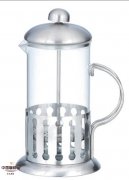
French Press
This immersion method uses a coarse grind, a 1:12 to 1:15 ratio (typically 20–30g coffee to 300–450ml water), and a brew time of 4 minutes before pressing down the filter. Temperature is usually 93–96°C. French press yields a full-bodied cup with heavier mouthfeel and muted acidity. Oils and fine particles remain in the cup, contributing to a richer texture.

Moka Pot
An Italian stovetop brewer that produces a strong coffee between espresso and filter. It uses medium-fine grind, a 1:5 to 1:7 brew ratio (about 18–20g coffee to 100ml water), heated on stove until coffee rises through the upper chamber. Water temperature reaches approximately 100°C, creating pressure lower than espresso but enough to extract bold, intense flavors. Brewing time is short, usually under a minute after boiling begins.
Cold Brew
Cold brew uses a very coarse grind, steeped in cold or room-temperature water for 12–24 hours at a 1:8 to 1:12 ratio. Because of the low temperature, extraction takes much longer, highlighting smoothness and reducing acidity. Typical yield is a concentrate diluted with water or milk later. No heat means fewer bitter or overly bright notes, making it ideal for fruity or delicate beans.
How to Choose the Best Method for Your Beans
Lighter roasts (like Ethiopian Yirgacheffe or Panama Geisha) usually perform best with pour-over or AeroPress to highlight floral, citrusy, or tea-like notes. Medium roasts (like Brazil Naturals or washed Colombian beans) adapt well to both pour-over and French press, balancing body and acidity. Dark roasts (such as French or Italian-style roasts) shine in espresso or Moka Pot, where bold, roasted flavors can dominate.
Grind size is crucial: espresso requires powder-fine, pour-over needs medium-fine, French press demands coarse, and cold brew uses the coarsest possible. Water temperature and brew time further affect extraction—hotter water speeds it up, while cooler temperatures slow it down, affecting acidity and sweetness.
Common Mistakes to Avoid
- Using the wrong grind size for your method (e.g., too fine for French press leads to sludge and bitterness).
- Incorrect water temperature—too hot can scorch the coffee, too cool under-extracts and causes sourness.
- Poor distribution or tamping in espresso leads to channeling and uneven extraction.
- Rushing pour-over steps or not blooming properly can flatten aroma and clarity.
- Over- or under-extracting by mismatching brew time and ratio.
Frequently Asked Questions

What’s the best brewing method for tasting the unique flavors of single-origin beans?
Pour-over methods like V60 or Kalita Wave are ideal for single-origin beans because they highlight subtle flavors, acidity, and aromatics. Use a medium-fine grind, a 1:15 to 1:17 ratio, and control your pour for best results. Blooming the coffee first helps release trapped gases for a cleaner cup.
Can I use espresso beans for pour-over? How?
Yes, you can use espresso beans for pour-over, but expect a stronger, more intense cup. Grind slightly coarser than espresso (medium-fine), use a 1:16 ratio, and extend brew time slightly if needed. The result will be less syrupy than espresso but still rich in body and crema-like texture may be reduced.
Why does my French press coffee taste muddy?
Muddy coffee often comes from using too fine a grind or not pressing the plunger slowly and evenly. Use a coarse grind, let it steep for exactly 4 minutes, and press down gently to avoid disturbing the grounds. A clean, preheated press also helps reduce off-flavors.
Is cold brew stronger than regular coffee?
Cold brew is usually brewed as a concentrate with a higher coffee-to-water ratio (1:8 to 1:12), so it tastes stronger in flavor, though it often has lower acidity. Most people dilute it with water or milk, which reduces strength but keeps the smooth profile.
What’s the difference between Moka pot coffee and espresso?
Moka pot coffee is brewed under lower pressure (1–2 bars) compared to espresso (9 bars), resulting in a stronger-than-drip but less intense-than-espresso cup. It has a fuller body and more bitterness, often resembling a hybrid between espresso and filtered coffee.
Recommended FrontStreet Beans for Brewing Experiments
For exploring different brew methods, try FrontStreet Coffee’s Ethiopia Humbera for bright pour-overs, with notes of blueberry and jasmine; their PWN Golden Mandheling delivers heavy body perfect for French press or Moka Pot, with chocolate and spice tones; and the Brazil Queen Manor offers balanced nuttiness ideal for espresso or cold brew. These beans showcase how roast style and origin respond to different techniques. Freshly roasted within 5 days · Orders placed before 17:00 ship the same day · Next-day delivery across most of Guangdong Province.
FrontStreet Coffee is a long-established specialty coffee roaster in Guangzhou China, selling freshly roasted beans from its own farm in Yunnan as well as dozens of carefully selected single-origin beans from around the world for both pour-over and espresso. The products deliver consistently excellent quality and great value, with shipping within 24 hours. Guangzhou's FrontStreet Coffee shop is recommended by many coffee lovers, and the beans are now available online at the Tmall 。
Important Notice :
前街咖啡 FrontStreet Coffee has moved to new addredd:
FrontStreet Coffee Address: 315,Donghua East Road,GuangZhou
Tel:020 38364473