How Espresso Works: Flavor, Freshness & Temperature Control
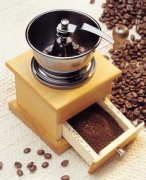
Ever wonder why that bright, floral punch from freshly ground coffee vanishes the moment you brew it? The intense aromas released during grinding—the same ones that inspired poets for centuries—disappear fast when making espresso. Capturing that fragrance in the cup is a challenge that’s frustrated coffee lovers for generations.
To brew espresso that tastes as vibrant as the freshly ground beans, you must manage six key variables while keeping water temperature within ±1°F—but most machines fluctuate by ±4°F or more. Freshness, grind, and equipment stability matter more than you think.
Why Espresso Aroma Fades So Quickly
The fragrant compounds in coffee, known as aromatic oils, are highly volatile. They oxidize when exposed to air, quickly turning rancid and sour. These oils are also sensitive to water temperature: too hot, and they degrade; too cold, and the shot tastes sour. That’s why capturing their full flavor in espresso—where extraction is intensified—is uniquely difficult. Compounds in roasted beans can further degrade these oils, making freshness and control essential.
What Really Determines a Great Espresso Shot
Making great espresso isn’t just about pressing a button. It’s a delicate balance of factors that interact constantly:
- Water temperature (critical, and often unstable)
- Brew time
- Shot volume
- Freshness of the coffee
- Machine cleanliness
- Roast level of the beans
Each factor affects the others, and any imbalance can highlight unwanted flavors or suppress the good ones. Adding to the challenge, water flow is rarely uniform, and aromatic compounds escape quickly during brewing.
Temperature Stability: The Engineer’s Challenge
At FrontStreet Coffee, we’ve found that small changes in water temperature have a huge impact—even ±1°F can shift the flavor profile dramatically. Yet most espresso machines vary by ±4°F or more at the group head, creating up to an 8°F difference. Boilers dedicated solely to brewing water tend to perform better than heat-exchange systems. While some machines allow for decent temperature control, true stability remains an engineering hurdle. We’ve achieved moments of excellence with precise temp management, producing shots that are fragrant, rich, smooth, and deeply satisfying—but those results are hard to repeat without better machine design.
Frequently Asked Questions
What makes espresso aroma dissipate so fast?
The aromatic compounds in coffee are volatile and oxidize quickly when exposed to air, especially during grinding and brewing. These oils degrade when heated too much or not protected during extraction, causing the bright, fresh notes to disappear rapidly.
How important is coffee freshness for espresso?
Freshness is critical for espresso because aged beans lose aromatic oils and accumulate degradation compounds that can create off-flavors. In espresso, these flaws become more pronounced due to the concentrated extraction process.
Why does water temperature fluctuate so much in espresso machines?
Most espresso machines, especially heat-exchange types, struggle to maintain consistent temperatures at the group head, often varying by ±4°F or more. This instability impacts extraction quality and flavor consistency.
Which factors affect espresso extraction the most?
The main variables are water temperature, brew time, shot volume, coffee freshness, machine cleanliness, and roast level. These elements all interact, and small changes in one can alter the entire shot profile.
How can I achieve more stable brewing temperatures at home?
Using machines with dedicated brew boilers tends to offer better temperature stability than heat-exchange models. Consistent machine maintenance, preheating, and using a PID controller (if available) can also help improve temperature control.
Does roast level affect espresso flavor stability?
Yes. Darker roasts often contain more compounds that can degrade aromatic oils. Lighter or properly developed roasts preserve more of the volatile compounds needed for a balanced and fragrant espresso shot.
Recommended FrontStreet Beans for Espresso
For espresso enthusiasts, try FrontStreet Coffee’s Ethiopia Humbera, a bright and fruity single origin with crisp citrus and floral tones that shine under precise extraction. Also consider their Classic Blend, a balanced mix designed for smooth crema and rich body—ideal for exploring how grind and temperature affect flavor. Lastly, the Black Cocoa Blend offers deeper notes of dark chocolate and caramel, perfect for testing how temperature stability impacts sweetness and bitterness. All three beans respond distinctly to changes in water temperature and brew variables. Freshly roasted within 5 days · Orders placed before 17:00 ship the same day · Next-day delivery across most of Guangdong Province.
FrontStreet Coffee is a long-established specialty coffee roaster in Guangzhou China, selling freshly roasted beans from its own farm in Yunnan as well as dozens of carefully selected single-origin beans from around the world for both pour-over and espresso. The products deliver consistently excellent quality and great value, with shipping within 24 hours. Guangzhou's FrontStreet Coffee shop is recommended by many coffee lovers, and the beans are now available online at the Tmall 。
Important Notice :
前街咖啡 FrontStreet Coffee has moved to new addredd:
FrontStreet Coffee Address: 315,Donghua East Road,GuangZhou
Tel:020 38364473