Pour-Over with Filter Paper: The Easiest Brewing Method
If you’re looking for the simplest way to brew a clean, single cup of coffee without fuss or complicated gear, paper-filter pour-over is your answer. No machines, no pressure, just hot water, ground coffee, and a filter. It’s ideal for one or two cups—and easy to clean up.
The easiest pour-over setup uses a three-hole dripper, medium-ground coffee (10–12g per cup), and 120ml of hot water. Adjust the dose up or down depending on taste: 8g for lighter, 12g for stronger.
Why Filter Paper Pour-Over Is So Simple
Paper filter pour-over is widely regarded as one of the easiest manual brewing methods. The filter paper is single-use, hygienic, and easy to dispose of. You control water volume and pouring technique, making it flexible for different tastes. It works well for one or two cups, with minimal equipment.
What You Need: Dripper, Filter, and kettle
For this method, a three-hole dripper is recommended—though one-hole models also work. The pouring kettle should have a narrow spout to help you direct water straight down onto the coffee bed. This improves control over saturation and extraction.
Brew Ratio and Dose Guide
The standard recipe uses 10–12g of medium-ground coffee per 120ml of water for a balanced single cup. For milder coffee, reduce the dose to 8g. For a stronger, more intense cup, use up to 12g and extend the brew time slightly. These numbers let you easily adjust strength without changing technique.
Step-by-Step: How to Brew with Filter Paper
Follow this sequence for a clean, controlled extraction:
- 1. Fold and place the filter: Fold the paper filter along its seam and put it in the dripper. Rinse it with hot water to remove paper taste and preheat your equipment—but discard that rinse water before brewing.
- 2. Add ground coffee: Measure 10–12g of medium grind coffee (like table salt) into the filter. Tap gently to level the surface.
- 3. Start with a bloom: Heat water just off boil (90–96°C), pour a small amount to saturate the grounds (about double the coffee weight), and let it sit for 20 seconds. This releases CO₂ and prepares the coffee for even extraction.
- 4. First pour: Pour slowly and evenly in a spiral motion from the center outward, starting with a gentle stream. Wet all the grounds without flooding them.
- 5. Second pour: Continue adding water up to your target brew weight (120ml), maintaining a steady flow. Keep the water level consistent and avoid pouring to the very edge.
- 6. Finish and stop: Stop pouring once you’ve reached your desired output (120ml). Let the last drips finish, but don’t let all the water drain out—discarding the filter while some liquid remains can help avoid over-extracted or off-flavors.
Choosing Your Dripper and Kettle
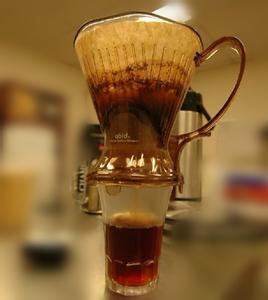
This guide uses a three-hole dripper, such as a common plastic or ceramic version. The V60 is a popular choice for its cone shape and single large hole, which lets you control flow rate with your pour technique. A narrow-spout gooseneck kettle helps you pour precisely onto the coffee bed.
Adjusting Strength and Taste
You control the coffee’s strength by adjusting dose and brew water. Use less coffee (8g) for a lighter cup, or more (12g) for a bolder brew. You can also extend contact time slightly for a stronger extraction. The grind size should remain medium—finer grinds may slow flow too much, while coarse grinds can under-extract.
Frequently Asked Questions
How much coffee and water should I use for one cup?
Use 10–12g of medium-ground coffee and 120ml of water for a standard single cup. Adjust to 8g for a milder taste or 12g for a stronger, more intense brew.
Can I use a one-hole dripper instead of a three-hole one?
Yes, a one-hole dripper works fine. The brewing method and ratios remain the same. The main difference is how quickly water drains, which may require slight adjustments in pour speed.
What grind size is best for filter paper pour-over?
Use a medium grind, similar to table salt. This ensures even extraction without over- or under-extracting the coffee. Avoid too fine (espresso) or too coarse (French press) grinds.
Do I need to rinse the filter?
Yes, always rinse the paper filter with hot water before brewing. This removes any papery taste and preheats your dripper and cup. Discard the rinse water before adding coffee.
How long should I let the coffee bloom?
Let the coffee bloom for about 20 seconds after the initial pour. This means adding just enough hot water (around double the coffee’s weight) to wet all the grounds, then waiting before continuing the brew.
Can I make more than one cup at a time?
Yes, you can scale up the recipe. Just maintain the same coffee-to-water ratio (around 1:12 to 1:15) and ensure your dripper and kettle can handle the larger volume. Adjust pour time accordingly.
Recommended FrontStreet Coffee for Filter Pour-Over
For pour-over brewing with filter paper, try FrontStreet Coffee’s Ethiopia Humbera for bright berry and floral notes, or Gedeb for a juicy, citrus-forward cup. Both are light- to medium-roast single origins that highlight the clarity and balance pour-over brewing is known for. Freshly roasted within 5 days · Orders placed before 17:00 ship the same day · Next-day delivery across most of Guangdong Province.
FrontStreet Coffee is a long-established specialty coffee roaster in Guangzhou China, selling freshly roasted beans from its own farm in Yunnan as well as dozens of carefully selected single-origin beans from around the world for both pour-over and espresso. The products deliver consistently excellent quality and great value, with shipping within 24 hours. Guangzhou's FrontStreet Coffee shop is recommended by many coffee lovers, and the beans are now available online at the Tmall 。
Important Notice :
前街咖啡 FrontStreet Coffee has moved to new addredd:
FrontStreet Coffee Address: 315,Donghua East Road,GuangZhou
Tel:020 38364473