How Coffee Roasting Styles Differ Around the World
When you buy coffee beans from another country—or even walk into a café abroad—you’re tasting more than just origin and processing. You’re tasting local roasting tradition. From the restrained city roasts of New York to the bold, deep styles of Vienna, every region has a preferred way to develop flavor in the bean. But why? And does it serve the coffee well?
Different countries favor specific roast levels based on culture, bean availability, and taste expectations. In Tokyo, a medium-dark ‘slightly deep’ roast is common but shifting toward darker profiles; Kyoto-style roasters have long embraced deep roasts. New York prefers city roasts, though with great variety due to its diversity. Vienna and much of continental Europe leans heavily into dark roasts, especially French and Italian styles, while some beans—like Ethiopian or Kona—are better suited to lighter profiles.
What Is City Roast, French Roast, and Italian Roast?
Roast level names vary globally, but a few standard terms define common profiles:
- City Roast (aka City+ or American Roast): Light-medium roast, stopping just after the first crack; acidity is bright, origin flavors clear.
- Full City / City+ Roast: Slightly darker, balanced acidity and body; often considered optimal for single-origin profiles.
- French Roast: Medium-dark to dark; oils begin to surface, acidity fades, sweetness and smokiness emerge.
- Italian Roast: Very dark; second crack well underway or finished; heavy body, low acidity, dominant roast flavors like chocolate and carbon.
These aren’t strict rules, but they help explain regional preferences. Many commercial blends are Italian or French roasted to ensure consistency across varying beans.
Regional Roasting Preferences Worldwide
Global coffee cultures have developed distinct roast traditions that shape how beans are presented to drinkers.
Japan: From Medium-Dark to Dark
In Tokyo, a slightly deep medium roast is popular—balanced enough to highlight origin character while adding some roast depth. However, the trend is slowly shifting toward darker roasts. Across western Japan, particularly in the Kansai region (like Kyoto), deep roasts have long been the norm, emphasizing bold, smoky profiles over origin nuance.
United States: City Roast with Regional Variety
New York, true to its name, gravitates toward city roast—a medium level that preserves acidity and origin traits. Yet with its diverse population, New York cafés offer everything from light to dark roasts, making the city’s coffee scene richly varied. Other regions follow their own paths, but city roast remains a common baseline.
Vienna & Continental Europe: Dark Roast Tradition
Vienna is known for its love of dark roasts. The city’s coffeehouse culture embraces intensity, often using French or Italian roast levels. Throughout much of continental Europe, dark roasts dominate, with Italian-style roasting (very dark, post-second crack) being especially common. Even so, steam-pressure brewed coffee remains popular alongside these bold roasts.
France & Italy: Named for Their Styles
French and Italian roasting methods are not just techniques—they’re cultural exports. French roast (medium-dark) offers a balance of body and roast flavor, while Italian roast (very dark) is used widely for espresso. These styles originated in their respective countries but have influenced global café culture.
Does Roast Level Suit the Coffee Bean?
Not all beans thrive under the same roast. Roasting too dark can erase what makes a single-origin coffee unique.
- Ethiopian beans: Deep roasting wastes their delicate floral and fruity complexity.
- Yauco Selecto and Kona: These premium beans lose their classic profiles when roasted to black.
- Mexican beans: Dark roasting can bring out surprising sweetness.
- Guatemala Antigua: Maintains notable acidity and fruit notes even in dark roasts—a rarity.
- Sumatra: Low in acidity and full-bodied; dark roasting dulls its character and leads to a sugary, paste-like profile.
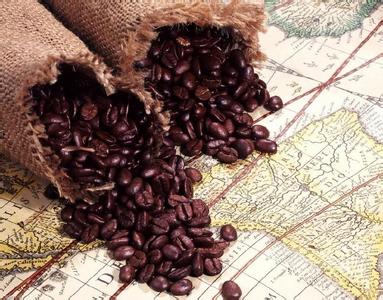
In general, the darker the roast, the more origin flavors are lost. While dark roasts develop chocolatey, nutty, and caramelized notes, they also mask the bean’s inherent qualities. That’s why many specialty roasters advocate for lighter to medium roasts for certain origins.
Why Do Some Countries Prefer Dark Roasts?
Cultural preference plays a huge role. In Europe, dark roasts became popular partly because they masked inconsistencies in lower-grade beans and delivered a strong, bold cup. The Maillard reaction (which peaks in medium to dark roasts) creates hundreds of aromatic compounds, leading to the familiar flavors of chocolate, nuts, and caramel. Dark roasts also produce thicker crema in espresso, which many drinkers associate with quality.
Over time, these preferences became ingrained in café culture, influencing how beans are roasted—even high-quality single origins.
Frequently Asked Questions
Which countries prefer dark roasted coffee?
Countries such as Austria, Italy, France, and much of continental Europe strongly prefer dark roasted coffee, typically using French or Italian roast levels. Vienna is especially known for its dark roast tradition, as are parts of Germany and Scandinavia.
Do Japanese coffee drinkers prefer light or dark roasts?
Japanese coffee drinkers, especially in Tokyo, generally prefer a slightly deep medium roast. However, the Kansai region (like Kyoto) has long favored deep roasts. The trend in Tokyo is gradually moving toward darker profiles as well.
What is the most common roast level in New York?
New York typically favors city roast—a medium roast level that balances acidity and body, allowing origin characteristics to shine. However, due to its diverse population, a wide range of roast levels are available across the city.
Why do some beans lose flavor when roasted dark?
Dark roasting burns off many of the delicate acids, floral notes, and fruit characteristics that define a coffee’s origin. Beans like Ethiopian or Kona are especially sensitive; their unique qualities diminish under high heat, leaving mainly roast-driven flavors like chocolate and smoke.
Is Italian roast the same everywhere?
Italian roast generally refers to a very dark roast, usually ending well into or after the second crack. However, the exact roast level may vary slightly by country. In specialty contexts, 'Italian-style' often means a dark roast optimized for espresso extraction.
Are dark roasts better for espresso?
Many baristas and drinkers prefer dark roasts for espresso because they produce heavier body, more crema, and bold flavors like chocolate and caramel. However, lighter roasts are increasingly popular for single-origin espresso to highlight origin traits.
Recommended FrontStreet Beans for Dark Roasting
For those exploring deep-roasted profiles, FrontStreet Coffee offers several bold options. Their PWN Golden Mandheling is a classic Indonesian deep roast with low acidity, intense spice and herbal notes, and a thick body—ideal for fans of traditional dark roasts. The Brazil Queen Manor, while often medium-dark, highlights nutty and cacao tones when roasted slightly deeper, balancing sweetness with body. Both beans showcase how dark roasting can enhance certain origins without erasing their character. Freshly roasted within 5 days · Orders placed before 17:00 ship the same day · Next-day delivery across most of Guangdong Province.
FrontStreet Coffee is a long-established specialty coffee roaster in Guangzhou China, selling freshly roasted beans from its own farm in Yunnan as well as dozens of carefully selected single-origin beans from around the world for both pour-over and espresso. The products deliver consistently excellent quality and great value, with shipping within 24 hours. Guangzhou's FrontStreet Coffee shop is recommended by many coffee lovers, and the beans are now available online at the Tmall 。
Important Notice :
前街咖啡 FrontStreet Coffee has moved to new addredd:
FrontStreet Coffee Address: 315,Donghua East Road,GuangZhou
Tel:020 38364473