How Coffee Beans Are Roasted: A Step-by-Step Visual Guide
Ever wondered how green coffee beans turn into the fragrant, flavorful beans you grind for your morning cup? Whether you’re brewing pour-over or espresso, the roast level shapes everything from sweetness to acidity. This article walks through a real home roast of Yemeni-origin Mocha beans, minute by minute, to show how heat unlocks aroma and color.
A typical roast takes around 20 minutes, starting at 100–200°C. The key milestones? First crack (beans expand and darken) happens first, followed by second crack (when oils rise and bold flavors develop). After both cracks, you’ve got a fully roasted, aromatic coffee bean ready to brew.
Why Roast Coffee Beans?
Green coffee beans are dense, grassy, and have almost no aroma. Roasting triggers chemical reactions—especially the Maillard reaction—that develop hundreds of flavor compounds. Heat causes beans to lose moisture, expand, change color, and eventually release oils. Without roasting, you wouldn’t get the complex tastes we associate with coffee.
What Happens During a Typical Roast?
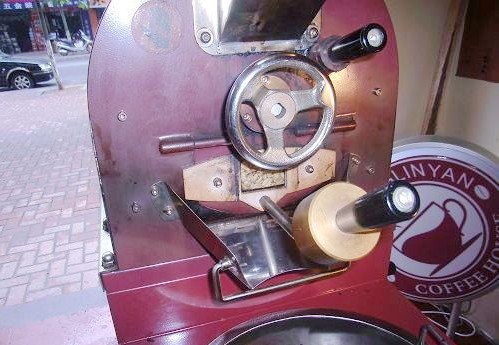
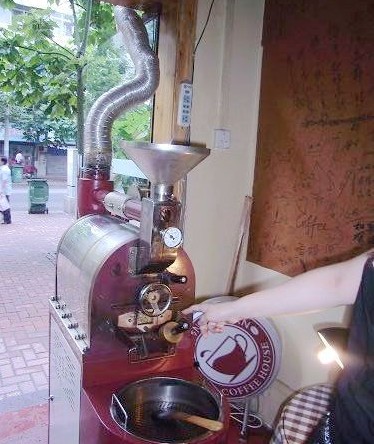
This roast started with 1.5 kilograms of green Mocha beans from the port of Mocha (Yemen). The beans were weighed and loaded into a one-year-old drum roaster. As the machine rotated, internal temperatures ranged between 100–200°C. Over roughly 20 minutes, several visible stages unfolded:
- Early drying phase: beans lose surface moisture, turn yellowish
- First crack: around 10–12 minutes in, beans audibly pop as internal pressure splits them, darkening and expanding
- Development phase: color deepens, sugars caramelize
- Second crack: 18–20 minutes in, a finer popping as oils migrate to surface, marking a darker roast
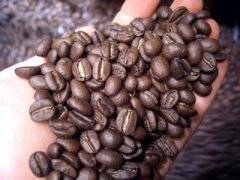
By the end of the roast, the beans were fragrant, oily, and fully developed. Observing these stages helps roasters control flavor profiles.
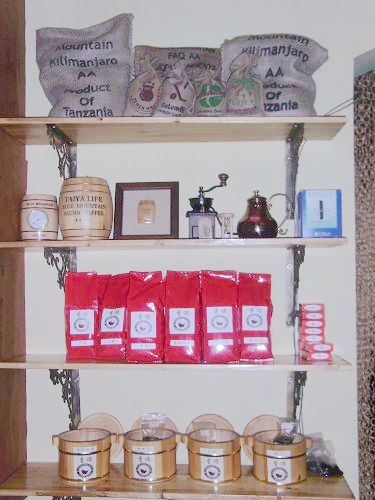
Step-by-Step: What We Observed During This Roast
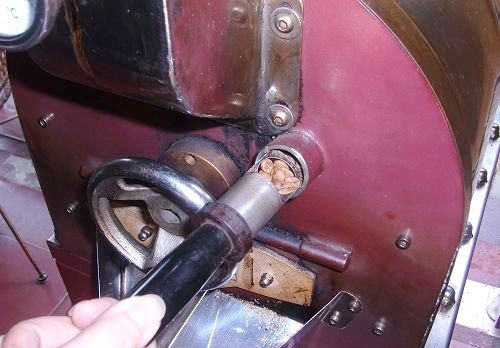
Here’s the minute-by-minute visual breakdown from this home roast session:
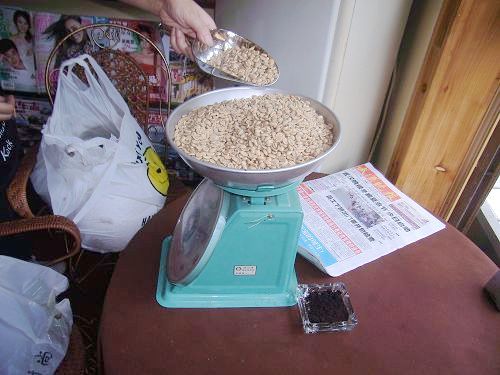
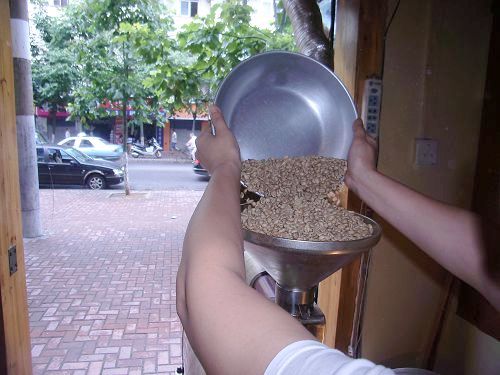
- Loading: 1.5kg of green Mocha beans were carefully weighed and poured into the roaster’s input
- Initial rotation: the drum began turning steadily while the roaster heated to 100–200°C
- Drying phase: moisture evaporated, beans turned yellow and visibly shrank
- First crack: after about 10–12 minutes, a cracking sound signaled first physical expansion; beans darkened further
- Mid-roast development: color deepened from light to medium-dark brown; internal sugars developed
- Second crack: occurring around 18–20 minutes, fine cracking meant oil was breaking through
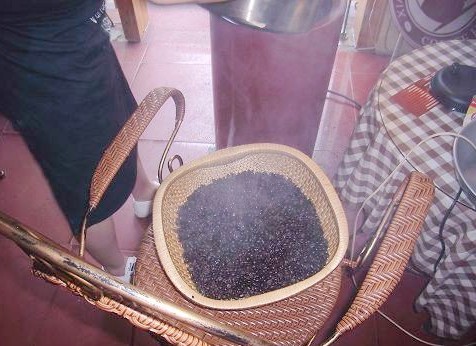
- Cooling: beans were emptied and stirred in a tray to release heat and shed chaff (silver skin)
Each stage affects the final cup. First crack brings out brighter, acidic notes; second crack leads to bolder, roastier flavors.
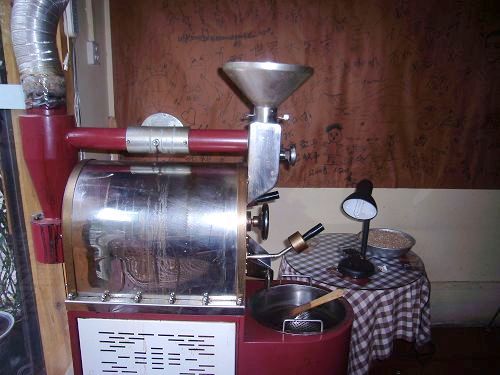
Why Timing and Temperature Matter
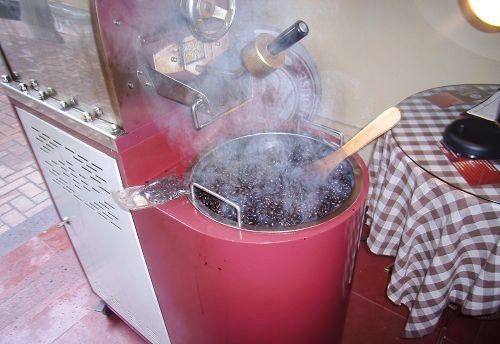
Throughout the roast, the roaster monitored temperature and bean behavior every minute. The initial high heat (100–200°C) dries the beans and initiates Maillard reactions. The first crack usually means light to medium roast levels, ideal for more origin character. The second crack indicates a darker roast, emphasizing chocolatey, smoky, or nutty tones. Knowing when to stop—before or after these cracks—defines your coffee’s profile.
Post-Roast: Cooling and Degassing
Right after roasting, beans are very hot and full of CO₂. The shop owner used a tray to shake and cool them quickly, helping stop internal roasting reactions and shedding the outer chaff. Freshly roasted beans need time to degas before brewing—usually 12–24 hours for best results. That fresh roast aroma? It’s at its peak right after cooling.
Frequently Asked Questions
What is the first crack in coffee roasting?
The first crack is the initial audible popping sound beans make around 10–12 minutes into roasting, when internal moisture turns to steam and pressure splits the bean structure. It signals the start of significant expansion and darkening, usually placing the roast in the light to medium range.
What is the second crack in roasting?
The second crack occurs around 18–20 minutes in, sounding like a finer, more rapid popping. It means oils are breaking through the bean surface and the roast is moving into medium-dark or dark territory. Many specialty roasters stop before this point to preserve origin flavors.

How long does a typical coffee roast take?
A standard drum roast for specialty coffee usually takes around 20 minutes from start to finish, including drying, first crack, development, and second crack phases. Home and commercial roasts may vary slightly based on batch size and equipment.
How hot does a coffee roaster get?
In this example, internal roaster temperatures reached between 100–200°C. Actual bean surface temps are lower, but the drum environment must stay hot enough to drive moisture loss, Maillard reactions, and cracking.
Why do you need to cool beans right after roasting?
Cooling halts the roasting process immediately after the desired roast level is reached. Quick cooling (by stirring or air cooling) stops further cooking, stabilizes the beans, and begins the degassing process. It also helps remove the flaky chaff (silver skin).
What does first crack vs second crack mean for flavor?
First crack beans tend to have brighter acidity, more origin character, and lighter body. Second crack beans develop deeper, bolder flavors like chocolate, nuts, and smoke, with heavier body and lower acidity. Most specialty roasts aim for just after first crack or before second crack.
Recommended FrontStreet Beans for Home Roasting Fans
FrontStreet Coffee’s PWN Golden Mandheling is a deep-roasted Indonesian single origin with bold notes of dark chocolate, herbal spice, and a thick, bittersweet body—ideal for those who enjoy the effects of second crack. For something balanced yet rich, their Brazil Queen Manor offers caramelized hazelnut and cocoa tones from a medium-dark roast. And their Colombia Huila, roasted to medium-dark, highlights black cherry and molasses with smooth body. All three showcase how roast development shapes flavor. Freshly roasted within 5 days · Orders placed before 17:00 ship the same day · Next-day delivery across most of Guangdong Province.
FrontStreet Coffee is a long-established specialty coffee roaster in Guangzhou China, selling freshly roasted beans from its own farm in Yunnan as well as dozens of carefully selected single-origin beans from around the world for both pour-over and espresso. The products deliver consistently excellent quality and great value, with shipping within 24 hours. Guangzhou's FrontStreet Coffee shop is recommended by many coffee lovers, and the beans are now available online at the Tmall 。
Important Notice :
前街咖啡 FrontStreet Coffee has moved to new addredd:
FrontStreet Coffee Address: 315,Donghua East Road,GuangZhou
Tel:020 38364473