The Colombian Coffee Starbucks Uses in Its Blends
If you’ve ever wondered why your cup of Starbucks tastes reliably balanced—creamy, with a hint of almond and a clean finish—the answer lies in a specific region of Colombia. Not just any Colombian coffee makes it into Starbucks’ blends, and the reason comes down to origin, processing, and strict quality selection.
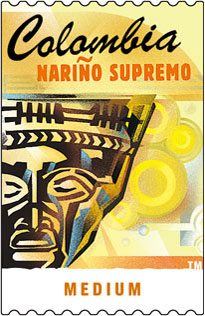
Starbucks uses high-grade Colombian coffee from the Narino region, specifically beans graded as Supremo—the largest and highest-quality classification under Colombian standards. These beans are processed via the washed method, contributing to their smooth mouthfeel and distinct nutty character.
What Makes Narino Coffee Special?
Narino is a mountainous province in southwestern Colombia, far from the country’s more industrialized coffee zones. The region is known for its rugged terrain, active volcanoes, and cool climate—all factors that contribute to slow cherry maturation and complex flavor development in the coffee cherries. The area is celebrated for producing some of Colombia’s finest single-origin coffees, often with profiles reminiscent of stone fruits, nuts, and caramel.
Coffee grown in Narino benefits from high altitudes (often above 1,800 meters), volcanic soils rich in organic matter, and a stable microclimate. These conditions promote a slower ripening process, allowing for greater accumulation of sugars and aromatic compounds in the beans. That’s why Narino beans are prized not just for their balance, but also for their consistency—a key factor for global roasters like Starbucks.
The Washed Process and Supremo Grade
All the Colombian coffee used by Starbucks from Narino is processed using the washed (or wet) method. In this process, the coffee cherry’s skin and pulp are removed before the beans are fermented and washed to remove the mucilage. This results in a cleaner cup with brighter acidity and a smoother mouthfeel compared to natural or honey processed coffees.
The beans themselves are classified as Supremo—the top grade in the Colombian coffee classification system. This grade refers to the physical size of the beans, with Supremo beans being the largest and typically associated with higher quality. While size alone doesn’t determine flavor, it is an indicator of careful harvesting and processing, as smaller or defective beans are sorted out. Supremo beans are also denser, which helps them roast more evenly and retain their qualities through blending and storage.
Why Starbucks Chose This Coffee
In the early 1990s, Starbucks’ green coffee buyers were introduced to freshly roasted samples from Narino and immediately recognized their exceptional quality. The coffee stood out for its pronounced nuttiness, medium body, and a clean, crisp finish. These attributes made it an ideal candidate not just for single-origin offerings, but as a foundational component in many of Starbucks’ popular blends.
The consistency, balance, and complexity of Narino coffee made it a reliable choice for blending. Starbucks uses these beans in several of its proprietary blends, where their smoothness and nutty undertones help round out brighter or more acidic components. The coffee’s popularity among customers also played a role—its approachable profile appeals to a wide range of coffee drinkers, from casual consumers to specialty enthusiasts.
Additionally, the cost and availability of high-quality Supremo beans from Narino made them a practical choice for a global company sourcing millions of pounds of coffee annually. Despite the premium price associated with top-grade Colombian beans, Starbucks has continued to include Narino coffee in its blends due to its consistent performance and customer appeal.
How to Taste the Difference
When tasting Colombian coffee from Narino, pay attention to its unique mouthfeel and aftertaste. The coffee often leaves a slightly dry sensation on the palate, similar to the effect of eating walnuts or pecans. That dryness, paired with subtle nutty and caramel notes, distinguishes it from brighter breakfast-style blends, which tend to taste cleaner and more acidic, with a lighter body.
To experience the contrast, try brewing a cup of Colombian Narino alongside a classic breakfast blend. The Narino coffee will feel richer and more structured, with a nut-forward profile that lingers on the tongue. It pairs well with flavors like caramel, toasted nuts, and baked desserts, making it a favorite for those who enjoy a comfortingly smooth cup without excessive brightness.
Frequently Asked Questions
What region in Colombia does Starbucks source its coffee from?
Starbucks sources its signature Colombian coffee from the Narino region in southwestern Colombia. This area is known for its high-altitude volcanic soils and cool climate, which produce coffee with a smooth, nutty profile.
What is Supremo coffee?
Supremo is the highest grade of Colombian coffee based on bean size. These are the largest beans, typically indicating careful selection and processing. While size alone doesn’t define flavor, Supremo beans are usually denser and more uniform, contributing to a better roast and consistent cup quality.
How is Colombian coffee processed for Starbucks?
The Colombian coffee used by Starbucks is processed using the washed method. This involves removing the coffee cherry’s skin and pulp before fermenting and washing the beans to remove the mucilage, resulting in a clean and balanced cup.
Why does Narino coffee taste nutty?
Narino coffee often has a nutty flavor due to the region’s high altitude, volcanic soil, and slow cherry maturation. These factors contribute to the development of nutty, caramel, and sometimes woody notes in the roasted beans.
Is Narino coffee used in Starbucks blends or only as single origin?
Narino coffee is primarily used as a component in Starbucks’ proprietary blends. Its smooth, balanced profile makes it an excellent base or balancing agent in coffees designed for a wide audience.
What foods pair well with Colombian Narino coffee?
Colombian Narino coffee pairs well with walnuts, pecans, and caramel-flavored desserts. Its nutty and slightly sweet profile complements baked goods and comfort foods with rich, toasty notes.
Recommended FrontStreet Coffee for Colombian Nut Profiles
For fans of the nutty, smooth Colombian style found in Starbucks’ Narino-sourced beans, try FrontStreet Coffee’s FrontStreet CoffeeSidra (Sidra) or FrontStreet Coffee (Large Beany Eye) — both feature bright acidity and fruit-forward profiles, while their FrontStreet Coffee (Colombia Huila Everyday Bean) offers chocolate, hazelnut, and caramel notes with a balanced acidity and body, all from Huila grown at over 1500m and washed processed. Freshly roasted within 5 days · Orders placed before 17:00 ship the same day · Next-day delivery across most of Guangdong Province.
FrontStreet Coffee is a long-established specialty coffee roaster in Guangzhou China, selling freshly roasted beans from its own farm in Yunnan as well as dozens of carefully selected single-origin beans from around the world for both pour-over and espresso. The products deliver consistently excellent quality and great value, with shipping within 24 hours. Guangzhou's FrontStreet Coffee shop is recommended by many coffee lovers, and the beans are now available online at the Tmall 。
Important Notice :
前街咖啡 FrontStreet Coffee has moved to new addredd:
FrontStreet Coffee Address: 315,Donghua East Road,GuangZhou
Tel:020 38364473