US Specialty Coffee Bean Classification Explained
If you've ever wondered why some green coffee beans cost double—or why your importer rejects a batch—you're not alone. The U.S. specialty coffee industry uses a detailed classification system to define bean quality before roasting. Knowing these grades helps buyers and roasters make smarter decisions and avoid costly mistakes.
In short, green coffee is graded from Grade 1 (Specialty) to Grade 5 (Off Grade) based on defect count, sample size consistency, moisture level, roast color uniformity, and sensory quality. Only Grade 1 allows zero major defects and demands outstanding cup traits.
What Are the Five U.S. Green Coffee Grades?
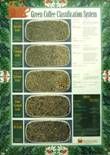
The American specialty coffee community uses a 5-tier classification system to assess raw coffee bean quality. Each grade sets strict limits on physical defects, moisture content, roast color variation, and sensory traits. These grades help ensure consistency and quality in specialty coffee trading worldwide.
Grade 1: Specialty Grade
This top tier is what most specialty roasters aim for. Grade 1 beans must have zero to five full defects, with absolutely no primary defects allowed. The sample must weigh 300 grams, with bean size variation under 5%. At least one outstanding attribute—flavor, acidity, body, or aroma—must stand out, and all must be agreed upon by buyer and seller. Defect-free results are mandatory in cupping. Roast color variation must be 0, and moisture content stays between 9–13%.
Grade 2: Premium Grade
A slight step down, Grade 2 permits up to eight total defects, including very minor primary defects. Like Grade 1, samples weigh 300 grams with bean size variation below 5%. Sensory qualities—flavor, acidity, body, and aroma—must still show at least one excellent trait, defined mutually by buyer and seller, and cupping must reveal no defects. Roast color difference is allowed up to 3, with moisture between 9–13%.
Grade 3: Exchange Grade
This mid-tier grade accepts more flaws: 9 to 23 total defects. Sample weight remains 300 grams, and bean size variation should be under 5%. While no specific outstanding sensory trait is required, the beans must pass cupping without defects. Roast color variation is permitted up to 5, and moisture content must be 9–13%.
Grade 4: Below Standard
Beans in this category have 24 to 86 total defects. They are considered lower quality and are generally not suitable for specialty coffee, though they may still find use in commercial blends. No specific values for moisture, roast variation, or sensory traits are mandated in this classification.
Grade 5: Off Grade
The lowest grade, with over 86 defects. These beans are not fit for specialty use and are typically rejected or used in very low-grade commercial applications. No further quality parameters are specified for this grade.
Frequently Asked Questions
What is the defect limit for Grade 1 specialty green coffee?
Grade 1 green coffee allows 0 to 5 total defects, with zero primary (major) defects allowed. This ensures high physical quality and sets the standard for specialty-grade beans.
Can Grade 2 coffee still be considered specialty?
Yes, Grade 2 coffee can be considered part of the specialty tier, especially in broader markets. It allows up to 8 defects, including very minor primary ones, and must still show at least one outstanding cup quality trait like flavor or acidity, verified through cupping.
What is the acceptable moisture range for all grades?
All five grades require a moisture content between 9–13% for green coffee beans. This range helps maintain bean stability and proper roasting behavior.
How much roast color variation is allowed in Grade 1?
Grade 1 green coffee requires zero roast color variation (0). This means all beans in the sample must roast to the same degree, ensuring uniformity before brewing.
Why is cup quality important even in lower grades?
For Grades 1–3, cupping must show no defects—even if overall bean quality is lower. This ensures that regardless of physical imperfections, the coffee tastes clean and free from taints or faults when brewed.
Are there specific taste requirements for Grade 1 coffee?
Yes, Grade 1 coffee must exhibit at least one outstanding characteristic in flavor, acidity, body, or aroma—as mutually agreed by buyer and seller. This trait must be verified through professional cupping and must be free from any defect notes.
FrontStreet Coffee Beans Ideal for Grade 1 Standards
For roasters aiming for Grade 1 specialty green coffee, FrontStreet’s Ethiopia Humbera offers vibrant citrus and floral notes with a juicy body—perfect for highlighting exceptional cup traits. The Yirgacheffe selection brings lemon, berry, and light florals with a clean acidity, ideal for buyers seeking standout flavor. Both beans regularly cup defect-free and meet the moisture and roast color criteria for premium grading. Freshly roasted within 5 days · Orders placed before 17:00 ship the same day · Next-day delivery across most of Guangdong Province.
FrontStreet Coffee is a long-established specialty coffee roaster in Guangzhou China, selling freshly roasted beans from its own farm in Yunnan as well as dozens of carefully selected single-origin beans from around the world for both pour-over and espresso. The products deliver consistently excellent quality and great value, with shipping within 24 hours. Guangzhou's FrontStreet Coffee shop is recommended by many coffee lovers, and the beans are now available online at the Tmall 。
Important Notice :
前街咖啡 FrontStreet Coffee has moved to new addredd:
FrontStreet Coffee Address: 315,Donghua East Road,GuangZhou
Tel:020 38364473