Comparing the Three Main Coffee Species
If you’ve ever wondered why some coffees taste bright and complex while others are harsh and bitter, the answer often starts with the species. Most coffee drinkers have heard of Arabica, and many have stumbled across Robusta — but what about Liberica? And why does one grow on volcanic mountains while another thrives in lowland jungles? These three species make up nearly all the world’s coffee, yet they couldn’t be more different.
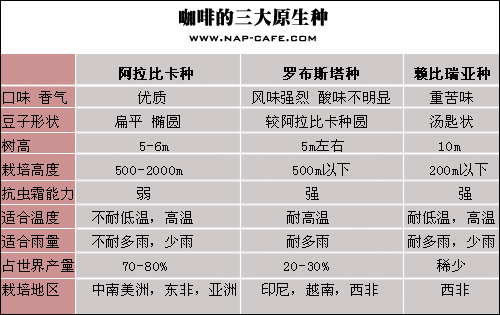
In short: Arabica makes up 70–80% of global production thanks to its balanced flavor and lower caffeine; Robusta is hardy and bitter, used mostly in blends and instant coffee; Liberica is rare, with poor cup quality and limited market reach. Here’s everything you need to know about the three primary coffee species.
What Are the Three Primary Coffee Species?
Coffee comes from just three main species: Arabica, Robusta, and Liberica. Arabica and Robusta dominate the global market, while Liberica is rarely seen outside parts of West Africa. Each has unique growing needs, flavors, and market roles — and those differences shape your cup.
Arabica: The Global Favorite
Arabica (Coffea arabica) accounts for roughly 70–80% of the world’s coffee production. It’s grown at higher elevations — between 600 and 1,800 meters — where days are mild and nights are cool. Ideal conditions include year-round temperatures around 38°F (3–25°C range), steady rainfall, and no frost. These constraints mean Arabica can only thrive in about 50 countries located within 160 kilometers of the equator.
Major producers include Brazil, Colombia, Guatemala, Ethiopia, Jamaica, Mexico, Costa Rica, and Honduras. Arabica is celebrated for its complex aromas, balanced acidity, and relatively low caffeine content (about 1.2–1.5%). Iconic high-quality Arabica coffees include Jamaica Blue Mountain, Yirgacheffe, Mandheling, and Hawaiian Kona.
Robusta: The Tough Survivor
Robusta (Coffea canephora) is far more resilient than Arabica. It tolerates heat, humidity, drought, cold, and even some diseases. Because of this, it grows well at low altitudes and doesn’t require hand-picking. The trade-off? Robusta beans are smaller, irregularly shaped, and produce a harsher, more bitter cup with less acidity and more caffeine (2.7% compared to Arabica’s 1.2–1.5%).
Flavor-wise, Robusta lacks the delicate notes of Arabica. It’s often used in espresso blends for added crema and body, in instant coffee, or in budget blends. Major producers include Uganda, Ivory Coast, Congo, and Angola.
Liberica: The Elusive Outsider
Liberica (Coffea liberica) is the rarest of the three. Originally from West Africa, it can adapt to various environments but is highly susceptible to leaf rust. Its flavor is generally considered inferior to Arabica’s, with a woody, unfamiliar profile that doesn’t appeal to most coffee drinkers. As a result, Liberica is almost never traded on the global market and is rarely available outside certain West African countries.
Why Growing Conditions Matter So Much
The key differences between these species come down to climate adaptability. Arabica demands cool tropical highlands with consistent moisture and no frost — a narrow band near the equator. Robusta is far less picky and thrives in hot, humid lowlands with poor soils. Liberica falls somewhere in between but suffers from disease vulnerability and poor cup quality, limiting its commercial appeal.
Flavor Profiles at a Glance
- Arabica: Bright acidity, complex aromas, balanced sweetness, lower caffeine (~1.2–1.5%)
- Robusta: Harsh, bitter, earthy, strong caffeine kick (~2.7%), less acidity
- Liberica: Woody, unfamiliar taste, low market presence, poor cup quality
Frequently Asked Questions
Which coffee species is the most popular worldwide?
Arabica makes up about 70–80% of global coffee production due to its preferred flavor profile and suitability for specialty coffee. It’s grown mainly in high-altitude regions within 160 km of the equator.
Why is Robusta used in instant coffee and espresso blends?
Robusta is cheap to grow, high in caffeine, and has a bold, bitter taste that adds body and crema to espresso. It’s also resilient, making it ideal for mass-market and instant coffee production.
Where is Liberica coffee still found today?
Liberica is rarely traded globally and is mostly found in small, internal markets within certain West African countries. It has an unusual flavor and is not widely cultivated due to low demand and disease susceptibility.
Does Arabica really have less caffeine than Robusta?
Yes. Arabica typically contains 1.2–1.5% caffeine, while Robusta has around 2.7%, making it nearly twice as caffeinated. This contributes to Robusta’s stronger, harsher taste.
What’s the biggest difference between Arabica and Robusta beans?
Arabica offers a more complex, nuanced flavor with higher acidity and lower caffeine, while Robusta is stronger, more bitter, less acidic, and much hardier to grow.
Are there other coffee species besides these three?
Arabica, Robusta, and Liberica are the primary species, making up nearly all commercial coffee. A few others like Coffea stenophylla exist but are extremely rare and not part of mainstream production.
Recommended FrontStreet Arabica Coffees
For anyone exploring classic Arabica profiles, start with FrontStreet’s Jamaica Blue Mountain No.1 — a legendary Typica-based coffee with balanced body and mild nuttiness. The Yirgacheffe from the Gedeb cooperative highlights citrus and floral tones in a bright washed process cup. For chocolatey depth, try the Brazil Queen Manor Yellow Bourbon, roasted to bring out notes of caramel, peanut, and soft acidity. All three showcase why Arabica remains the global favorite. Freshly roasted within 5 days · Orders placed before 17:00 ship the same day · Next-day delivery across most of Guangdong Province.
FrontStreet Coffee is a long-established specialty coffee roaster in Guangzhou China, selling freshly roasted beans from its own farm in Yunnan as well as dozens of carefully selected single-origin beans from around the world for both pour-over and espresso. The products deliver consistently excellent quality and great value, with shipping within 24 hours. Guangzhou's FrontStreet Coffee shop is recommended by many coffee lovers, and the beans are now available online at the Tmall 。
Important Notice :
前街咖啡 FrontStreet Coffee has moved to new addredd:
FrontStreet Coffee Address: 315,Donghua East Road,GuangZhou
Tel:020 38364473