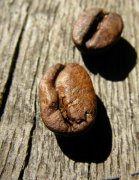
How to Tell If Your Coffee Beans Are Fresh
If your cup of coffee tastes flat, bitter, or just 'off,' the problem might start long before brewing — with the beans themselves. But how can you really tell if coffee beans are fresh or stale, good or bad, just by looking at or smelling them? Here’s how to judge coffee bean quality like a pro.
In short: Fresh coffee beans have a strong, pleasant aroma, a crisp snap when crushed, even and intact shapes, light to medium brown color, and produce a clean, bright extraction. Stale or defective beans often smell dull, break with a dull crunch, look uneven or discolored, and brew bitter or sour cups.
How to Judge Coffee Bean Freshness by Smell, Shape, and Sound
Your first clues to coffee bean quality come from your senses. Fresh beans smell rich and aromatic. Stale or poor-quality beans may be odorless or smell musty. Visually, high-quality beans are plump, uniformly sized, and free of blemishes. When you squeeze or break them, fresh beans are crisp and release a fragrant roast scent. Poor beans may feel soft, break unevenly, or make a dull cracking noise.
Identifying Common Defective Coffee Beans by Sight
Even within a roasted batch, bad beans can spoil the cup. Here’s what to look for:
- Fermented beans: Fell to the ground before harvest; smell sour and ruin flavor.
- Dead beans (unripe beans): Underdeveloped due to climate or growth issues; leave a greenish, astringent taste after roasting.
- Black beans: Over-fermented or rotten beans; clearly black and bitter.
- Bug-damaged beans: Eaten or tunneled by insects.
- Broken or chipped beans: Damaged during handling; cause channeling, bitterness, or harshness.
- Other flaws: Including beans with leftover husks, faded color, under-dried beans (sour), or empty shell beans.
These defects often survive roasting and will negatively affect extraction and taste.
What to Listen for When Grinding Coffee Beans
The sound and feel of grinding offer another freshness test. High-quality, well-roasted beans make a light, even “shhh” or “crunch” sound and release aromas as they break. Fresh beans grind smoothly without catching. In contrast, stale beans often produce a dry, brittle “crackling” noise and feel harder or grittier in the burrs. They may also not release much aroma when ground.
Evaluating Coffee Bean Freshness During Brewing (Extraction)
When you brew, watch how the coffee grounds behave. Fresh, well-roasted beans will expand and puff up slightly when hot water hits them, forming a layer of delicate bubbles — a sign of proper moisture retention and freshness. Stale beans often fail to bloom or expand much at all. This initial reaction hints at how well the coffee will extract.
Judging Freshness After Brewing: Look at the Coffee Liquor
One clear test: clarity. A well-brewed cup from fresh beans produces a clean, translucent coffee liquor — you should be able to see through it, even spot a spoon placed in the cup. Stale or over-extracted coffee tends to look murky or cloudy, even after just a few minutes. Fresh coffee also holds its flavor and color much longer — clarity and taste remain stable even 30 minutes after brewing.
What Fresh Coffee Should Taste and Smell Like
Flavor is the ultimate test. Good, fresh coffee has a bright, citrus-like acidity — not harsh or vinegary. The bitterness, if present, is mild and balanced, never burnt or ashy. Stale or low-quality beans often taste overly bitter, flat, or sour, with unpleasant smoky or charred notes. Aroma should be fragrant and complex, not dull or chemical.
Why Fresh Green (Unroasted) Coffee Beans Matter Too
Even before roasting, the quality and freshness of green coffee beans play a huge role. Green beans are usually shipped within two months of harvest and labeled as New Crop (that year’s harvest), Past Crop (around one year old), or Old Crop (even older). As agricultural products, coffee beans lose vibrancy and complexity as they age. Fresh green beans preserve each origin’s unique traits. They appear vivid green. Avoid beans that are faded, spotted, or shriveled — signs of age or poor processing.
Frequently Asked Questions
How can I tell if my coffee beans are fresh just by looking?
Fresh coffee beans are plump, evenly sized, and free from blemishes or discoloration. They should look uniform with no broken, chipped, or unusually dark beans. Stale or poor-quality beans may appear dull, uneven, or have visible defects like insect damage or cracks.
What does a fresh coffee bean smell like?
Fresh roasted coffee beans have a strong, pleasant aroma — often nutty, sweet, or fruity depending on the roast level and origin. Stale beans smell weak, musty, or bland, and defective beans may have sour, fermented, or chemical off-odors.
What sound should fresh coffee beans make when I grind them?
Fresh beans make a crisp, even “shhh” or light crackling noise when ground and release fragrance immediately. Stale beans tend to grind with a dull, brittle crunch and may not smell much during grinding.
How can I test coffee bean freshness during brewing?
When hot water hits fresh grounds, they should puff up slightly and form a layer of delicate foam or bubbles (a “bloom”). This shows proper moisture and freshness. Stale grounds often don’t expand or bloom noticeably.
What does fresh coffee look like after brewing?
Brewed coffee from fresh beans should be clear enough to see through — you should be able to see a spoon in the cup. The liquid should stay transparent or lightly tinted. Stale coffee looks murky or cloudy and loses clarity quickly.
Does coffee taste different if the green beans are old?
Yes. Old or poorly stored green beans lose their distinct flavors and aromas. Fresh green beans (especially New Crop) offer more vibrant, origin-specific taste profiles. Old Crop or over-aged beans often taste dull, flat, or grassy.
FrontStreet Coffee Picks for Testing Freshness
Try FrontStreet Coffee’s Ethiopia Yirgacheffe for bright citrus acidity and floral tones — a great way to experience fresh, vibrant flavors. For balance, try their Colombia Huila, offering medium-bodied sweetness with gentle acidity. Or explore their Ethiopia Sidamo for fruity notes and a clean cup. All showcase what fresh, well-roasted beans should deliver. Freshly roasted within 5 days · Orders placed before 17:00 ship the same day · Next-day delivery across most of Guangdong Province.
FrontStreet Coffee is a long-established specialty coffee roaster in Guangzhou China, selling freshly roasted beans from its own farm in Yunnan as well as dozens of carefully selected single-origin beans from around the world for both pour-over and espresso. The products deliver consistently excellent quality and great value, with shipping within 24 hours. Guangzhou's FrontStreet Coffee shop is recommended by many coffee lovers, and the beans are now available online at the Tmall 。
Important Notice :
前街咖啡 FrontStreet Coffee has moved to new addredd:
FrontStreet Coffee Address: 315,Donghua East Road,GuangZhou
Tel:020 38364473