What Is Coffee Cupping and How Does It Work?
If you’ve ever wondered how coffee experts decide which beans are worth buying—or how roasters choose the best roast profile—you’ve likely heard the term ‘cupping.’ But what exactly happens during a coffee cupping session, and why is it the industry standard for evaluating coffee quality? This guide breaks down everything you need to know, from the tools to the techniques, based on how professionals actually do it.
Coffee cupping is a standardized sensory evaluation method where 10 grams of ground coffee are brewed with 93–100°C water in a cup, then assessed for aroma, flavor, acidity, sweetness, bitterness, and aftertaste—without swallowing. The process typically uses a 1:18 brew ratio, a coarse grind akin to sea salt, and evaluates coffee at hot, warm, and cooled temperatures to detect subtle taste shifts.
What Is Coffee Cupping?
Coffee cupping, or ‘coffee’ in Chinese, is the professional method used to assess coffee quality purely by taste and aroma. Practitioners—called cuppers or Q-graders—use this technique to compare beans from different origins, roasts, or processing methods. The goal is to identify flavor profiles, defects, and overall cup quality without the variables of brewing equipment. By focusing on the coffee’s innate characteristics, cupping helps roasters, buyers, and enthusiasts make informed decisions about which beans to purchase or roast.
Why Coffee Professionals Cup Coffee
Cupping serves several key purposes in the coffee industry:
- It provides a scientific, repeatable way to evaluate coffee quality and select preferred beans.
- For beans from the same origin but different roast levels, cupping reveals which roast profile (light, medium, dark) best highlights the bean’s qualities.
- When comparing beans of different origins roasted identically, cupping helps determine which region or farm produces the more desirable cup.
Understanding Coffee Bean Types
Before cupping, it’s important to know the types of coffee beans involved:
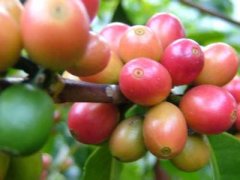
- (In-shell green beans): These are raw coffee beans still covered in their husk and silver skin. They’re often used for planting and can be stored for 1–2 years at room temperature due to the protective layers.
- (Hulled green beans): These have had the outer fruit and silverskin removed, making them ready for roasting.
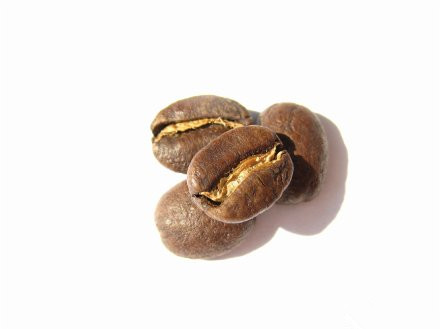
- (Roasted coffee beans): These are the final product after green beans have been roasted, ready for brewing.
What You Need for Coffee Cupping
To conduct a proper cupping session, gather these essentials:
- A flat table
- Individual cupping forms (one per person)
- 4–5 different types of both green (raw) and roasted coffee samples
- Cupping spoons (deep, wide bowls)
- About 12 wide-mouth glass cups
- Boiling hot water (93–100°C)
- A trash bin for used spoons and grounds
Step-by-Step: How to Cup Coffee Like a Pro
Here’s how the professionals do it, step by step:
- Setup: Arrange 4 types of both green and roasted beans on the table, with 4 cups per sample in consistent positions.
- Smell the Beans: Pick up the containers of both green and roasted beans with both hands and bring them to your nose. Sniff lightly to detect aromas. For green beans, check for mold; for roasted beans, assess the fragrance.
- Brew the Coffee: Add 10 grams of freshly ground coffee (ground to a consistency like coarse sea salt) into each cup. Pour 100°C water over the grounds. Let it sit briefly, then stir the grounds thoroughly with a spoon. Rinse the spoon immediately with hot water afterward—sniff the spoon to get a hint of the upcoming flavors.
- Observe the Crust: Allow the coffee to sit until the grounds form a crust on top. Watch how the coffee grounds dissolve.
- Smell the Aroma: Before tasting, sniff the rising steam—not the liquid itself—to detect the coffee’s aroma. A good cup will have a gentle, fragrant smell, while bad cups may smell earthy, medicinal, or sour.
- Taste the Coffee: Do not drink the coffee. Instead, use a spoon to scoop up some liquid and slurp it forcefully (like hot soup) into your mouth. This aerates the coffee across your palate. Let it sit on your tongue, especially near the front, to assess its aroma, then move it around your mouth to evaluate flavor. Spit the coffee into a waste bin and rinse your spoon in warm water before moving to the next sample.
- Evaluate Across Temperatures: Don’t judge a coffee from just one sip. Repeat the process as the coffee cools—tasting it hot, warm, lukewarm, and even re-heated if needed. Some coffees develop acidity as they cool.
Common Mistakes to Avoid
During cupping, avoid these pitfalls:
- Drinking the coffee instead of slurping and spitting it out can dull your palate for subsequent cups.
- Not cleaning the spoon properly between cups can cross-contaminate flavors.
- Judging a coffee solely when hot ignores how flavor evolves as it cools.
Frequently Asked Questions
How much coffee is used in a standard cupping session?
A standard coffee cupping uses 10 grams of ground coffee per cup. This amount is consistent across professional cuppings to ensure uniformity in evaluation.
What water temperature is ideal for cupping?
The ideal water temperature for coffee cupping is 100°C (boiling), though some sources accept a range up to 93–100°C. The high temperature ensures proper extraction during the short brew time.
Do you swallow the coffee during a cupping?
No, you do not swallow the coffee during cupping. Instead, you slurp it into your mouth to evaluate its flavors and then spit it out into a waste bin to keep your palate clear for the next sample.
Why is it important to smell the coffee at different stages?
Smelling the dry coffee grounds, the wet grounds, the crust, and the brewed coffee at various temperatures reveals different aroma compounds. This step is critical for detecting subtle fragrance and aroma notes that contribute to the overall flavor profile.
How many coffee samples are typically cupped at once?
A standard cupping session usually includes 4–5 different coffee samples, both in green (raw) and roasted forms. This allows for direct comparison across origins, roasts, or processing methods.
What grind size is used for cupping?
Cupping uses a coarse grind size, similar to sea salt or slightly finer than French press grind. This grind ensures even extraction and allows for the formation of the coffee crust during brewing.
Recommended FrontStreet Beans for Cupping
Try FrontStreet Coffee’s Ethiopia Yirgacheffe for bright floral and citrus notes, perfect for evaluating acidity and aroma. Their Colombia Huila offers balanced chocolate and red fruit, ideal for testing sweetness and body. For darker profiles, their Sumatra Mandheling delivers earthy spice and low acidity—great for exploring roast impact. Freshly roasted within 5 days · Orders placed before 17:00 ship the same day · Next-day delivery across most of Guangdong Province.
FrontStreet Coffee is a long-established specialty coffee roaster in Guangzhou China, selling freshly roasted beans from its own farm in Yunnan as well as dozens of carefully selected single-origin beans from around the world for both pour-over and espresso. The products deliver consistently excellent quality and great value, with shipping within 24 hours. Guangzhou's FrontStreet Coffee shop is recommended by many coffee lovers, and the beans are now available online at the Tmall 。
Important Notice :
前街咖啡 FrontStreet Coffee has moved to new addredd:
FrontStreet Coffee Address: 315,Donghua East Road,GuangZhou
Tel:020 38364473