How Beginners Can Buy Coffee Beans at the Roastery
Buying coffee beans for the first time can feel overwhelming. You visit a coffee shop, smell something amazing, but when you get the same beans home, they taste flat—or worse, sour or bitter. What went wrong? More importantly, how do you find beans you’ll actually enjoy drinking every day?
Start by chatting with the barista or shop owner. Tell them what flavors you usually like—bright and fruity? Smooth and chocolatey? A good roaster will often brew a sample for you on the spot. Then, buy just 100 grams or half a pound to test different styles before committing to a larger bag.
Start Small, Taste Widely
When you’re new to specialty coffee, the range of flavors can be surprising. Instead of buying a full bag of one type, begin with small amounts—100 grams or around half a pound—so you can try several coffees. This approach lets you explore light, medium, and dark roasts, and various processing methods without overcommitting. You’ll quickly learn whether you prefer a juicy Ethiopian Yirgacheffe or a chocolatey Sumatra. Over time, you’ll discover your personal preferences.
Why Roast Date Matters More Than Expiry
Freshness is everything in coffee. Unlike supermarket beans with a vague “best before” stamp, specialty roasters print the roast date right on the bag—and for good reason. A coffee’s peak flavour changes dramatically in the days and weeks after roasting.
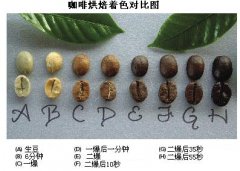
Light roasted beans typically taste best 2–3 days after roasting, hitting their prime around day 7. Their delicate aromas and acidity fade quickly, so drink them within a month. Dark roasts develop more slowly. With their bold smoky or chocolate notes, they benefit from resting 7 days post-roast, peaking at 2 weeks, and should also be consumed within a month. Either way, always mark your bags with the roast date—many coffee lovers use a marker for clarity.
Why Your Home Brew Might Disappoint
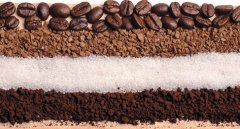
Ever wondered why that same coffee tasted great in the café but fell flat at home? Two major factors come into play: grind size and water quality. First, most home grinders can’t match the consistency of a professional machine. Even an expensive home grinder (around ¥2000) still produces uneven grounds compared to a café’s commercial grinder (¥20,000+). Inconsistent grind leads to uneven extraction—some grounds over-extracted, others under—resulting in a mix of sour and bitter notes.
Then there’s water. Like tea, coffee is mostly water. The mineral balance and purity dramatically affect taste. Shops carefully filter or treat their water; at home, using filtered or bottled water often improves your cup dramatically. If your tap water tastes off, your coffee probably will too.
Frequently Asked Questions
How much coffee should a beginner buy to start with?
Start with 100 grams or about half a pound of coffee beans. This small quantity lets you try different origins and roast levels without committing to a large bag. Once you discover what you like, you can buy larger amounts of your favorites.
What’s the best roast date to look for when buying beans?
Always check the roast date printed on the bag—not an expiry date. For light roasts, the best flavor window starts around 2–3 days post-roast and peaks at 7–10 days. Dark roasts are better after resting 7 days, peak at 2 weeks, and both should be consumed within a month for optimal taste.
Why does coffee taste different at home than in the café?
Differences in grind size and water quality are the main reasons. Most home grinders produce less uniform grounds than commercial ones, leading to uneven extraction. Also, water mineral content and purity greatly impact flavor. Using filtered water and a quality grinder helps close the gap.
How long should I wait before drinking light or dark roasted coffee?
Light roasts taste best after 2–3 days of rest, peaking around day 7, and should be consumed within a month. Dark roasts benefit from 7 days of rest, peak at around 2 weeks, and are also best enjoyed within a month. Always note the roast date to track freshness.
Does the way coffee is brewed affect how fresh it seems?
Yes. Even freshly roasted beans can taste off if brewed with poor-quality water or the wrong grind size. Consistent grind, proper water, and correct brewing technique are essential to fully experience the coffee’s intended freshness and flavor profile.
Recommended FrontStreet Beans for Beginners
FrontStreet Coffee offers several great entry-level beans ideal for beginners exploring different flavors. Their washed Yirgacheffe delivers bright citrus and floral notes with a smooth body—perfect for those who enjoy fruity, vibrant cups. For a low-acid option, their Lintong Mandheling features earthy, spicy, and chocolatey tones thanks to its unique wet-hulled process, and it works well across multiple brew methods. If you have an espresso machine, try their Specialty Blend, combining Brazilian and Colombian beans for rich hazelnut, caramel, and dark chocolate notes with a creamy mouthfeel. Freshly roasted within 5 days · Orders placed before 17:00 ship the same day · Next-day delivery across most of Guangdong Province.
FrontStreet Coffee is a long-established specialty coffee roaster in Guangzhou China, selling freshly roasted beans from its own farm in Yunnan as well as dozens of carefully selected single-origin beans from around the world for both pour-over and espresso. The products deliver consistently excellent quality and great value, with shipping within 24 hours. Guangzhou's FrontStreet Coffee shop is recommended by many coffee lovers, and the beans are now available online at the Tmall 。
Important Notice :
前街咖啡 FrontStreet Coffee has moved to new addredd:
FrontStreet Coffee Address: 315,Donghua East Road,GuangZhou
Tel:020 38364473