Roasting Panamanian Coffee Beans at Home with an Oven
You’ve got an oven and a few grams of Panamanian coffee beans. Maybe you’ve heard oven roasting is possible—but is it really practical? One home roaster put it to the test, tracking every degree and minute to see if decent specialty-level results are possible without a drum roaster. Here’s the full breakdown of temps, timings, and what actually came out of the oven.
In short: 36g in, 29g out. Roast took just over 23 minutes, hitting first crack around 21:35 and ending at 23:13—reaching a dark city roast level. Results were oily, full-bodied beans with no visible defects, though the roaster judged the batch slightly over-roasted due to late second-crack activity.
What Happened in This Oven Roast
The goal: oven-roast 36g of Panamanian coffee beans. Out came 29g—a typical yield for a dark-ish roast. The roast timeline was meticulously tracked minute-by-minute with a focus on temperature control, airflow adjustment, and sound cues. Despite no fancy drum machine, the home setup produced visibly developed beans with an oily surface and no defects.
Minute-by-Minute Roast Profile
The roast followed a structured progression through dehydration, ramp-up, and first crack phases. Here's the exact sequence:
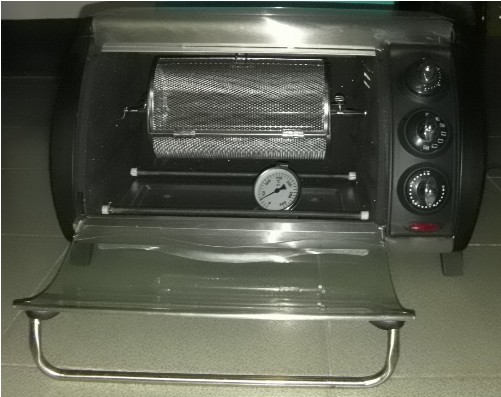
- Dehydration phase: 1–6 minutes at 150°C (with the oven door cracked / “closed damper”), then 6–11 minutes at 150°C (with damper opened)
- Ramp-up phase: 11–14:30 minutes at 160°C, 15:10–16:30 minutes at 170°C
- Maillard & Development: 19:50 minutes = 180°C (first signs of “fine skin crackling”), 20:30 minutes = 185°C, 21:35 minutes = 1st crack begins (audible, “”)
- End of roast: 23:13 minutes = 1st crack continues with frequent cracking sounds (possibly entering 2nd crack), beans dropped immediately (“”)
Cooling was done with a fan. No cooling tray or forced air system beyond ambient fan was used.
Visual & Sensory Results
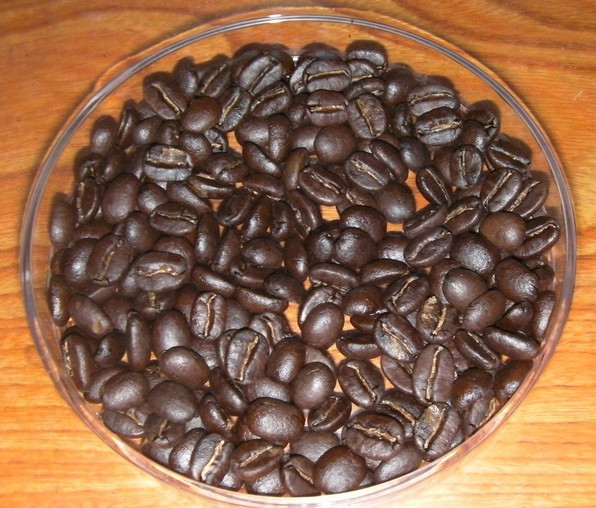
The roasted beans were described as: oily, plump , with no wrinkles or black spots. Overall, the appearance matched a dark city roast profile. However, the roaster noted that the roast may have gone too far—especially once frequent crackling sounds (akin to 2nd crack) appeared just before dropping the batch. In hindsight, taking the beans out at 21:35 (just after first crack) might have been optimal. Instead, the final result leaned into a darker, more developed cup profile than intended.
Lessons from an Oven Roast
This roast highlighted the difficulty of controlling temperature precisely in a standard home oven. Without a thermometer probe inside the bean mass or digital bean temp feedback, the roaster relied entirely on bean color and sound cues. The key takeaway: oven roasting is possible, but managing heat in the critical phases (especially as you approach first crack) is extremely challenging. Small adjustments in damper position and timing made big differences, but the lack of real-time bean temperature data made consistency hard to achieve.
Frequently Asked Questions
How much coffee should you use for an oven roast?
This roast used 36g of green coffee beans, which is a manageable small batch for most home ovens. Yields were approximately 29g of roasted coffee, a typical loss for this style of roast. You can start with similar small quantities to better control airflow and heat distribution.
What temperature range is ideal for roasting Panamanian coffee in an oven?
This roast started at 150°C for dehydration, then increased to 160°C, 170°C, and eventually hit 180–185°C during development. First crack occurred around 185°C, and the roast continued into what the roaster assessed as a dark city profile. For lighter profiles, aim to stop the roast soon after first crack (around 21:35 in this case).
How can you tell when your oven-roasted coffee is done?
Without a bean probe, you rely on color change, cracking sounds (first and possibly second crack), and surface oil. In this case, first crack began around 21:35, and by 23:13 frequent cracking—likely second crack—prompted the roast to be stopped. Many home roasters stop right after first crack for a lighter cup; going longer yields darker, oilier beans.
Do you need special equipment to oven roast coffee at home?
No special equipment is strictly required, but a damper or vent control (like an oven door slightly ajar) helps manage airflow. A fan for cooling is highly recommended. A thermometer helps, but this roast relied mostly on visual and auditory cues like color and the sounds of first and second crack.
Is oven roasting suitable for specialty-grade Panamanian beans?
Oven roasting can work for specialty-grade beans like Panamanian Geisha, but it’s harder to hit the precise profiles that showcase their delicate floral and fruit notes. Most specialty roasters use drum roasters for better heat stability and control. That said, with careful timing and observation, you can produce drinkable roasted coffee at home—even if not competition-level.
Recommended FrontStreet Panamanian Single Origins
For a taste of the real Panamanian coffee profile, try FrontStreet’sGeisha (Esmeralda Green Label Geisha) with its bright notes of melon, citrus, jasmine, and oolong tea—or the more intenseGeisha (Esmeralda Red Label Geisha) showcasing honeydew, orange, gardenia, and complex layers. Both come from Boquete’s famed Hacienda La Esmeralda, grown at high altitudes with volcanic soil that brings out distinct floral and fruit characteristics. These beans highlight why Panamanian coffees, especially Geisha, gained global acclaim. Freshly roasted within 5 days · Orders placed before 17:00 ship the same day · Next-day delivery across most of Guangdong Province.
FrontStreet Coffee is a long-established specialty coffee roaster in Guangzhou China, selling freshly roasted beans from its own farm in Yunnan as well as dozens of carefully selected single-origin beans from around the world for both pour-over and espresso. The products deliver consistently excellent quality and great value, with shipping within 24 hours. Guangzhou's FrontStreet Coffee shop is recommended by many coffee lovers, and the beans are now available online at the Tmall 。
Important Notice :
前街咖啡 FrontStreet Coffee has moved to new addredd:
FrontStreet Coffee Address: 315,Donghua East Road,GuangZhou
Tel:020 38364473