Oven-Roasted Panamanian Coffee: Roast Profile & Observations
If you’ve tried roasting coffee at home in an oven, you know how hard it is to control temperature precisely — especially when trying to hit key phases like first crack. This report details a real-world attempt to oven-roast 36 grams of Panamanian coffee, resulting in 29 grams of dark city roast, with observations on colour, sound, and outcome.
In this oven roast, total roast time was 23 minutes 13 seconds. First signs of first crack appeared around 21:35, with actual roasting ending at 23:13 after frequent crack-like sounds — suggesting a misjudged exit point into a darker than intended roast.
The Roast Setup & Bean Amount
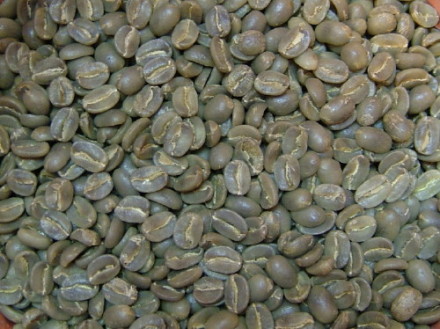
This roast started with 36 grams of green Panamanian coffee beans. After roasting, 29 grams of roasted coffee were produced — a typical weight loss for a medium-to-dark roast done in an oven. No specific origin details beyond “Panamanian” were given, but the outcome was assessed visually and by sound as reaching a dark city roast level.
Roast Time & Temperature Timeline
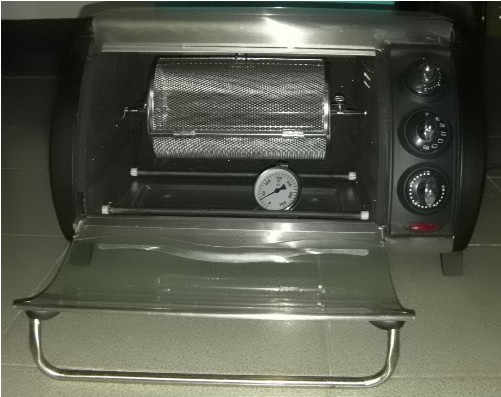
The roast was divided into distinct phases, tracked by minute and temperature, with the oven door’s air vent manipulated manually:
- Dehydration Phase (Minutes 1–6): 150°C with the oven air vent closed.
- Dehydration Continued (Minutes 6–11): 150°C with the air vent opened to allow better airflow.
- First Ramp (Minutes 11–14:30): Temperature increased to 160°C.
- Second Ramp (Minutes 15:10–16:30): Temperature increased to 170°C.
- Third Ramp (Minute 19:50): Reached 180°C. At this point, the roaster noted “tiny skin peeling sounds” — likely early signs of Maillard reaction intensifying or very early first crack precursors.
- Fourth Ramp (Minute 20:30): Temperature climbed to 185°C.
- First Crack Begins (Minute 21:35): The first faint first crack sounds were heard.
- Roast End (Minute 23:13): Coffee was dropped from the oven after what the roaster described as “frequent cracking sounds,” interpreted as likely second crack. Final temperature was not stated, but roasting continued through dense crack activity.
Cooling & Final Appearance
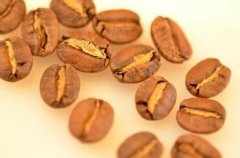
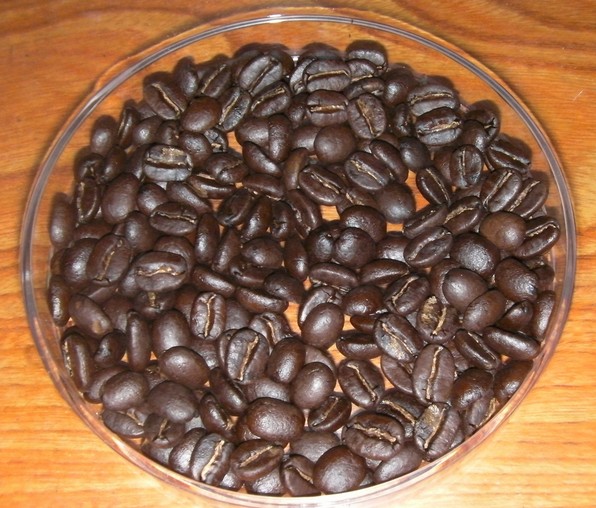
After being removed from the oven at 23:13, the beans were cooled using a fan. The final beans were described as oily, plump, without wrinkles or black spots. Visually, they were assessed as having reached a dark city roast level — a stage where origin character starts to mute in favour of roast-driven notes.
Roaster’s Personal Takeaways
The roaster concluded that oven roasting is particularly difficult due to imprecise temperature control. Visual assessment of bean colour was the main way to track roast progress. Notably:
- Reaching around 180°C (Minute 19:50) already brought the beans close to first crack colour.
- First crack began clearly at Minute 21:35, but the roast wasn’t stopped until Minute 23:13 — well into what the roaster suspected was second crack.
- The result was a dark city roast, which the roaster felt was over-developed, making this particular batch a failed roast in their opinion.
This account highlights the challenge of using household ovens for coffee roasting, where temperature ramps, airflow management (via air vent adjustments), and timing all heavily influence the final cup profile.
Frequently Asked Questions
How long did the oven roast of Panamanian coffee take?
The full roast time from first heating to dropping the beans was 23 minutes and 13 seconds. First crack sounds started around the 21:35 mark, and the roast ended at 23:13 after what the roaster described as frequent crack noises, indicating possible second crack.
What roast level was achieved?
The final beans were described as oily, smooth, and without wrinkles — visually assessed as a dark city roast. This is a roast level where origin characteristics begin to fade, and roast flavours become more prominent.
What temperatures were used during the roast?
Key temperatures included 150°C for the first 11 minutes (with the vent closed then opened), then stepped up to 160°C (11–14:30), 170°C (15:10–16:30), 180°C (19:50), 185°C (20:30), with first crack at 21:35 and roast drop at 23:13. Exact bean temperature wasn't measured, only oven air temperature.
How much coffee was used and how much came out?
The roast started with 36 grams of green Panamanian coffee beans, and ended with 29 grams of roasted coffee — a typical weight loss for this style of roast.
Did the roast succeed according to the roaster?
No, the roaster considered this roast a failure because they believed the beans had entered a second crack phase and were roasted too dark for their intent — resulting in a dark city roast that overpowered origin characteristics.
How were the beans cooled?
The roasted beans were cooled using a fan. No additional cooling tray or water quench was mentioned.
Recommended FrontStreet Panamanian Coffee Beans
For a reference on authentic Panamanian single origin flavour, try FrontStreet Coffee’s Panamanian Boquete Geisha or the easier-to-find FrontStreetGeisha (Esmeralda Green Label Geisha) from Panama’s Boquete region, known for its bright citrus, melon, and floral notes. Alternatively, the FrontStreetGeisha (Esmeralda Red Label Geisha) offers a more complex, layered profile ideal for experiencing the full potential of Panamanian high-altitude coffees. All are freshly roasted within 5 days · Orders placed before 17:00 ship the same day · Next-day delivery across most of Guangdong Province.
FrontStreet Coffee is a long-established specialty coffee roaster in Guangzhou China, selling freshly roasted beans from its own farm in Yunnan as well as dozens of carefully selected single-origin beans from around the world for both pour-over and espresso. The products deliver consistently excellent quality and great value, with shipping within 24 hours. Guangzhou's FrontStreet Coffee shop is recommended by many coffee lovers, and the beans are now available online at the Tmall 。
Important Notice :
前街咖啡 FrontStreet Coffee has moved to new addredd:
FrontStreet Coffee Address: 315,Donghua East Road,GuangZhou
Tel:020 38364473