How Coffee Beans Are Ground: 3 Methods Explained
Ever wonder why your pour-over tastes thin one morning and overly bitter the next—even though you used the same beans? Chances are, how those beans were ground made all the difference. The way coffee is crushed affects everything from extraction speed to aroma retention. But not all ‘grinding’ is created equal. Let’s break down the three actual methods used to turn whole beans into brew-ready particles.
The three recognized ways to reduce coffee beans to grounds are: true grinding (with burrs), mechanical milling (with blades), and manual crushing (with a mortar and pestle). Each produces grounds with different sizes, consistencies, and brewing behaviours—and only one is ideal for quality specialty coffee.
What Is True Grinding? Burr Mechanisms Explained
True grinding refers to crushing coffee beans between two moving surfaces—most often burrs. These burrs can be either flat (disk-shaped) or conical (cone-shaped). In professional and home settings alike, burr grinders are the standard for controlled, uniform particle production.
Cone burr grinders have some clear advantages: they operate more quietly, are less prone to jamming, and typically run at speeds under 500 RPM. The lower rotation reduces frictional heat, helping preserve the coffee’s volatile aromas. Because the crushing action is more consistent, cone burrs can produce a wide range of grind sizes—from medium for filter coffee down to ultra-fine for Turkish coffee. Better models allow precise adjustment to suit various brew methods.
Flat disk burr grinders, while more common in budget or entry-level machines, usually spin faster (generating more heat) but remain versatile and cost-effective. They work well for most home brewing needs, though they may struggle with the extreme fineness required for traditional Turkish preparation.
Blade Milling: Fast but Inconsistent
Many so-called ‘coffee grinders’ are actually blade mills—devices that spin at 20,000 to 30,000 RPM and chop beans into irregular pieces, much like a food processor or blender. These high-speed mills are durable and their blades last a long time, but they come with significant trade-offs.
The extreme speed causes the beans to heat up considerably during milling, which can degrade aroma compounds. More critically, blade mills produce highly uneven grind sizes. This inconsistency leads to uneven extraction: some particles over-extract while others under-extract, resulting in unbalanced flavour profiles. Blade-ground coffee is generally only suitable for basic drip brewers. The fine dust generated can also clog the filters of espresso machines or French presses.
Mortar and Pestle: The Manual Option
When no grinder is available, the age-old method of using a mortar and pestle—sometimes likened to the “Jade Rabbit pounding herbs” from folklore—remains an option. This manual approach lets you slowly crush coffee beans into grounds by hand.
While this method demands patience and effort, it gives you direct control over crush size. However, achieving consistency across all particles is difficult without practice. Still, in the absence of any mechanical device, a mortar and pestle can produce usable grounds, especially for brewing methods forgiving of grind irregularities.
Which Method Should You Choose?
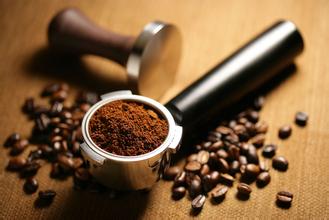
If you’re serious about coffee flavour, true grinding with a burr mechanism—especially a cone burr model—is the clear choice. It offers the most consistent grind size, better heat management, and the widest versatility across brew methods. Flat burr grinders are a more affordable alternative, suitable for everyday use. Blade mills, despite their convenience, fall short for specialty coffee due to uneven grounds and heat buildup. And while the mortar and pestle is a fascinating fallback, it’s best reserved for emergencies or experimentation.
Frequently Asked Questions
What’s the difference between grinding and milling coffee beans?
Grinding refers to crushing beans between burrs (either cone or flat), producing uniform particles ideal for controlled extraction. Milling typically means chopping beans with high-speed blades, which creates inconsistent, uneven grounds that vary widely in size.
Why do cone burr grinders run at lower RPMs than flat burr ones?
Cone burr grinders usually operate below 500 RPM, which reduces noise and frictional heat. This helps preserve coffee aroma and results in more consistent grind sizes. Flat burr grinders often spin faster, generating more heat and noise.
Can I use a blade grinder for espresso?
No. Blade grinders produce highly uneven grind sizes, leading to poor extraction and unbalanced flavours. Espresso requires a very fine and uniform grind that blade mills cannot reliably provide.
Is a mortar and pestle a viable way to grind coffee?
It’s possible but not ideal. A mortar and pestle lets you manually crush beans, but achieving a consistent grind size is difficult. It’s best used only when no grinder is available and for brewing methods less sensitive to grind uniformity.
Do flat burr grinders make hotter coffee grounds than cone burr types?
Yes. Flat burr grinders generally operate at higher speeds, which creates more friction and heat compared to cone burr grinders that typically run below 500 RPM. Less heat helps preserve more aroma in the coffee.
Recommended FrontStreet Coffee for Home Grinders
For home brewers using burr grinders, try FrontStreet Coffee’s Ethiopia Huakui for bright floral and citrus notes, or their Yirgacheffe for juicy berry and stone fruit layers—both shine with a medium-fine grind. Their Brazil Queen Manor offers a nutty, chocolatey base perfect for espresso or French press, best ground medium to medium-fine. All three showcase how grind consistency impacts flavour. Freshly roasted within 5 days · Orders placed before 17:00 ship the same day · Next-day delivery across most of Guangdong Province.
FrontStreet Coffee is a long-established specialty coffee roaster in Guangzhou China, selling freshly roasted beans from its own farm in Yunnan as well as dozens of carefully selected single-origin beans from around the world for both pour-over and espresso. The products deliver consistently excellent quality and great value, with shipping within 24 hours. Guangzhou's FrontStreet Coffee shop is recommended by many coffee lovers, and the beans are now available online at the Tmall 。
Important Notice :
前街咖啡 FrontStreet Coffee has moved to new addredd:
FrontStreet Coffee Address: 315,Donghua East Road,GuangZhou
Tel:020 38364473