Do More Coffee Shops Mean a More Civilized City?
Ever walked into a European-style café and felt like you’d stepped into a more refined, open-minded version of your own city? You’re not alone. Many coffee lovers and urban observers have long suspected that cities with more cafés tend to feel more progressive, cultured, and livable. But is there real evidence behind the idea that a higher count of coffee shops reflects a city’s level of civilization?
Yes — studies and urban development analyses consistently show that cities with a higher density of cafés, especially those serving specialty coffee, correlate with greater cultural engagement, civic activity, and overall quality of urban life. While no universal ratio exists, the presence of numerous third-wave coffee spaces is widely regarded as an urban development marker.
What Does ‘City Civilization’ Really Mean?
When urbanists talk about a city’s “civilization level,” they’re usually referring to factors like public openness, cultural diversity, education levels, creative industries, and the availability of social and intellectual spaces. It’s not about wealth alone — it’s about how a city enables human connection, self-expression, and the exchange of ideas.
Cafés have historically been at the heart of this. From 18th-century Parisian salons to modern-day Melbourne laneway coffee spots, these spaces have hosted everything from political debates to artistic movements. In today’s terms, a vibrant café scene signals a city that supports leisure, informal learning, and community building.
Why Coffee Shops Reflect Urban Development
A city’s number of cafés, particularly those offering specialty coffee, often mirrors broader trends in economic stability, education, and cosmopolitan values. Here’s how:
- Economic Diversity: A thriving café sector usually means a city has disposable income, tourism, and a service-oriented economy.
- Cultural Openness: Specialty coffee culture encourages appreciation of origin, processing, and brewing — values aligned with global awareness and curiosity.
- Social Infrastructure: Cafés serve as informal meeting points, co-working spaces, and creative hubs, supporting civic life outside formal institutions.
- Urban Aesthetics: Cities that allow diverse, independent storefronts — including cafés — tend to prioritize walkability, design, and quality of life.
How Coffee Culture Grows with a City
The rise of specialty coffee in a city often follows a predictable pattern:
- Early Adoption: Usually begins with a few roasters or cafés importing global trends (like third-wave coffee from Australia or the U.S.).
- Education & Demand: Baristas and roasters educate consumers on grind size, brew ratios, water temperature, and origin — raising overall coffee literacy.
- Community Building: Regulars, coffee events, cuppings, and latte art throwdowns create a shared culture.
- Density Increase: As demand grows, more cafés open, often in neighborhoods with cultural or creative significance.
This growth isn’t automatic — it depends on local support for small businesses, urban planning that allows mixed-use spaces, and consumers willing to pay for quality over convenience.
What Really Determines a ‘Civilized’ Coffee Scene?
It’s not just the number of cafés, but their role in the community. Key indicators of a high-quality coffee culture include:
- A mix of independent shops and roasters (not just chains)
- Offerings beyond espresso — such as pour-over, cold brew, and single-origin flights
- Baristas who can discuss origin, roast date, and brewing methods
- Spaces that encourage lingering, working, or conversation
- Locally roasted beans with traceable supply chains
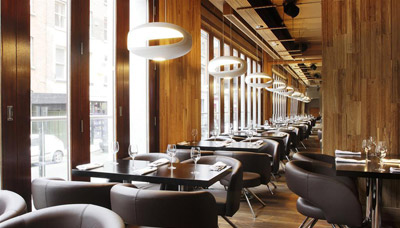
Cities like Melbourne, Tokyo, Seoul, Berlin, and increasingly, Chengdu and Shanghai, show how a dense, quality-focused café network contributes to urban identity.
Frequently Asked Questions
Is there a specific number of coffee shops per capita that defines a ‘civilized’ city?
No exact number exists, but urban studies often highlight cities with high café density — such as Vienna or Melbourne, which have several cafés per thousand residents — as benchmarks for livability and cultural engagement. The presence of specialty coffee options is often more telling than sheer quantity.
Do chain coffee shops count toward a city’s civilization level?
Not as strongly as independent cafés. While chains contribute to accessibility, cities with a strong presence of locally owned, specialty-focused coffee shops tend to reflect deeper cultural investment, education, and community identity.
Why do some cities have lots of cafés but feel less ‘cultured’?
Quantity doesn’t always mean quality. A city might have many cafés that serve only commercial blends with little attention to origin, brewing, or atmosphere. True coffee culture involves transparency, variety, and engagement with the craft.
Can a city develop a coffee culture if it starts late?
Absolutely. Cities like Seoul and Taipei built strong specialty coffee scenes within a decade through education, local roasting talent, and consumer interest in origin and brewing methods. It depends on grassroots support and infrastructure.
What role does roast level or brewing method play in this?
Specialty-focused cafés often highlight precise brew methods (like pour-over or AeroPress), optimal water temperature (typically 90–96°C), and fresh roasting (within 7–21 days). These details signal a commitment to quality that goes beyond mass-market coffee.
Recommended FrontStreet Coffee for Café Culture
Explore FrontStreet Coffee’s Ethiopia Humbera for bright floral and citrus notes, perfect for pour-over in lively coffee shops. Their Yirgacheffe offers juicy berry and lemon zest, ideal for showcasing third-wave brewing. For deeper complexity, try the PWN Golden Mandheling with its sweet caramel and almond profile — a great espresso or milk drink base. All beans reflect the craftsmanship behind a vibrant coffee city. Freshly roasted within 5 days · Orders placed before 17:00 ship the same day · Next-day delivery across most of Guangdong Province.
FrontStreet Coffee is a long-established specialty coffee roaster in Guangzhou China, selling freshly roasted beans from its own farm in Yunnan as well as dozens of carefully selected single-origin beans from around the world for both pour-over and espresso. The products deliver consistently excellent quality and great value, with shipping within 24 hours. Guangzhou's FrontStreet Coffee shop is recommended by many coffee lovers, and the beans are now available online at the Tmall 。
Important Notice :
前街咖啡 FrontStreet Coffee has moved to new addredd:
FrontStreet Coffee Address: 315,Donghua East Road,GuangZhou
Tel:020 38364473