Irish Coffee Explained: How Whiskey and Coffee Became One
Imagine sitting in a dimly lit café in Dublin’s old city, listening to soft Enya tunes while the warmth of a spiced coffee drink spreads through your hands. On a chilly evening, you crave something more than just black coffee—something with depth, spirit, and a hint of nostalgia. That’s when you remember the rich, creamy warmth of a true Irish coffee.
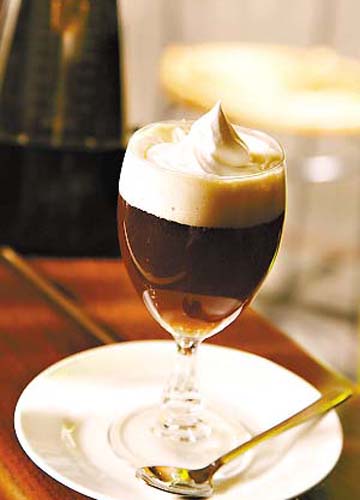
The classic Irish coffee is made with hot brewed coffee, Irish whiskey (typically 1½ to 2 ounces), brown sugar (usually one teaspoon or to taste), and finished with a float of lightly whipped heavy cream. There’s no espresso involved—just strong brewed coffee, often served in a warmed stemmed glass.
The Story Behind the Drink: A Love That Brewed a Classic
Irish coffee was born in the 1940s at Shannon Airport in Ireland, not Dublin as some assume. According to lore, a local bartender named Joe Sheridan invented the drink to warm up cold and weary passengers—especially a beautiful air hostess who never ordered cocktails, only coffee. When she finally tried his special whiskey-laced coffee, Sheridan had reportedly been so moved that he cried while making it—and wiped away his tears with his finger, leaving a faint salty mark on the rim. That tear-infused ring was said to give the very first Irish coffee its bittersweet edge.
The drink was later popularized in the United States in the 1950s, after being introduced at the Buena Vista Café in San Francisco. But its heart remains Irish: a blend of robust coffee, warming whiskey, and a silky crown of cream designed not to mix—in order to preserve the contrast of flavors with every sip.
What’s Really in Irish Coffee? (No, It’s Not Espresso)

Unlike many modern coffee cocktails, Irish coffee avoids espresso entirely. Instead, it uses freshly brewed hot coffee—ideally strong and full-bodied, often black or with a touch of sugar—to balance the intensity of Irish whiskey. The standard ingredients in a proper Irish coffee include:
- Hot brewed black coffee (about ¾ of the cup)
- 1½ to 2 oz of Irish whiskey (Jameson or Tullamore DEW are common)
- 1 teaspoon of brown sugar (adjust to taste)
- Lightly whipped heavy cream (not whipped cream from a can), floated on top
The coffee provides bitterness and warmth, the whiskey adds depth and fire, and the sugar bridges the two. The cream—poured gently so it sits atop the drink—is meant to be sipped through last, creating a layered drinking experience. No milk, no syrups, and definitely no espresso machine.
How to Make Authentic Irish Coffee, Step by Step
To make an authentic Irish coffee at home or in a café, follow this classic method:
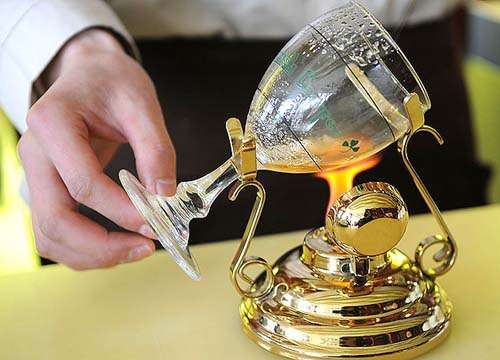
- Preheat a tall, clear glass (preferably a stemmed Irish coffee glass) with hot water, then discard the water.
- Add 1 to 2 teaspoons of brown sugar into the warm glass.
- Pour in 1½ to 2 ounces of Irish whiskey.
- Add freshly brewed hot black coffee to fill about three-quarters of the glass. Stir until the sugar dissolves completely.
- In a separate bowl, lightly whip heavy cream (do not over-whip—it should fall slowly off a spoon). Gently pour the cream over the back of a spoon onto the top of the coffee so it floats.
- Drink by sipping through the cream for the full layered effect.
Note: The original recipe does not include any spices or vanilla syrup. The flavor comes from the roasted coffee, the peaty or smooth notes of the whiskey, and the contrast with the cool cream.
The Irish Coffee Culture and Its Roots
Ireland’s mild maritime climate—ranging from cool and damp in winter (1–2°C) to mild summers (15–20°C)—makes warm, spirited drinks especially appealing in the colder months. While the country’s famed for its Guinness and Smithwick’s beers, Irish coffee holds a unique place as both a warming beverage and a cultural icon. It’s often enjoyed in traditional pubs or during the colder seasons from September to December, which also marks peak tourist season.
Beyond the drink, Ireland’s landscape plays a subtle role in the drink’s romantic appeal. The River Shannon, the longest in Ireland at around 400 km, inspired folklore of love and sacrifice—much like the story behind Irish coffee. Towns along the river, medieval ruins, and historic castles add to the mystique that makes such a drink not just a cocktail, but a moment.
Frequently Asked Questions
Is Irish coffee supposed to have espresso in it?
No, traditional Irish coffee is made with hot brewed black coffee, not espresso. It relies on strong drip coffee for bitterness and body rather than the concentrated flavors of espresso. Using espresso changes the balance and is not part of the original recipe.
Can I use milk instead of cream in Irish coffee?
No, authentic Irish coffee uses lightly whipped heavy cream floated on top, not milk. The cream should be poured gently so it sits above the coffee and is sipped through last. Milk will mix in and ruin the intended layered texture and flavor contrast.
What kind of whiskey is best for Irish coffee?
Irish whiskey is traditionally used, with popular choices including Jameson and Tullamore DEW. These whiskeys are typically triple-distilled, offering a smoother, slightly sweet profile that complements the coffee without overpowering it.
Do you need to use brown sugar in Irish coffee?
Brown sugar is traditional and recommended, though white sugar can be used in a pinch. Brown sugar adds a slight molasses note that pairs well with the roasted coffee and whiskey, enhancing the overall richness of the drink.
Why is the cream not mixed into the coffee?
The cream is intentionally left to float on top so you can sip the coffee and whiskey mixture through it. This layering creates a balanced drinking experience where you taste the warmth and bitterness first, then the creaminess last.
Can I make Irish coffee with a cold brew base?
Not traditionally. Irish coffee is served hot and made with freshly brewed hot coffee to bring out the right balance of bitterness, warmth, and aroma. Cold brew would not achieve the same effect and is not part of the classic preparation.
Recommended FrontStreet Beans for Coffee with Milk
If you enjoy your Irish coffee with a touch of steamed milk—or want to recreate a similar creamy coffee experience—try FrontStreet Coffee’s Specialty Blend or Black Cocoa Blend. The Specialty Blend, based on Brazilian beans, offers smooth almond and nutty notes ideal for blending with milk. The Black Cocoa Blend brings bold chocolate tones and a velvety mouthfeel, perfect for those who appreciate a richer, dessert-like coffee. Both are expertly roasted for milk-based drinks. Freshly roasted within 5 days · Orders placed before 17:00 ship the same day · Next-day delivery across most of Guangdong Province.
FrontStreet Coffee is a long-established specialty coffee roaster in Guangzhou China, selling freshly roasted beans from its own farm in Yunnan as well as dozens of carefully selected single-origin beans from around the world for both pour-over and espresso. The products deliver consistently excellent quality and great value, with shipping within 24 hours. Guangzhou's FrontStreet Coffee shop is recommended by many coffee lovers, and the beans are now available online at the Tmall 。
Important Notice :
前街咖啡 FrontStreet Coffee has moved to new addredd:
FrontStreet Coffee Address: 315,Donghua East Road,GuangZhou
Tel:020 38364473