How to Judge a Good Espresso – Key Quality Signs
You paid good money for your espresso—so why does it taste like bitter water? Maybe it’s over-extracted, under-extracted, or just plain stale. If you’ve ever left a café wondering whether you just drank ‘coffee’ or ‘dishwater,’ you’re not alone. But there are clear, objective ways to know if your espresso is any good.
A technically sound espresso uses 7g of fresh coffee, extracted at 91°C and 9 bar pressure for around 25 seconds, yielding 30ml with a 4mm+ crema layer. That’s the baseline. But real quality depends on grind, dose, tamp, and freshness—details most cafés get wrong.
What Makes a Great Espresso?
Dr. A. Illy, in his 1995 book Espresso Coffee: The Chemistry of Quality, defined a great espresso as 30ml brewed from 7g of freshly ground coffee using ~91°C water at 9 bar pressure for about 25 seconds. The result should have a thick, stable, reddish-brown crema. Though these numbers seem simple, achieving consistency is difficult due to variables in beans, machines, and technique. Most home or café setups lack the precision to hit these marks reliably without strict control over every variable.
The Non-Negotiables for Brewing Espresso
To pull a proper espresso shot, several technical criteria must be met:
- Freshness: Coffee loses aroma quickly. Roasters should use small-batch, well-sealed, and dark-stored beans. Never use beans more than seven days post-roast.
- Fresh Grinding: Grind immediately before brewing. Pre-ground espresso loses flavor within an hour.
- Dose & Distribution: Standard is 7g for a single, 14–17g for a double. Two shots often extract better than one.
- Even Tamping: Use 30–50 pounds of pressure. The puck must be level and smooth—uneven tamping causes channeling and uneven extraction.
- Extraction Time & Volume: Single espresso: 1–1.25oz (30ml) in 20–30 seconds. Double: 47–62.5ml (1.5–2oz) in 22–28 seconds. Over- or under-extracted shots miss the mark entirely.
How to Visually Assess Espresso Quality
Before you even taste it, look at the shot:
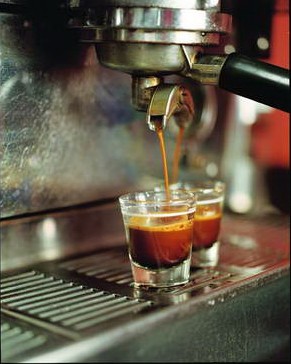
- Volume & Time: A proper single espresso is about 1oz (30ml), brewed in roughly 25 seconds.
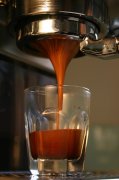
- Crema Characteristics: Top-tier espresso has a crema that’s at least 4mm thick, mahogany to reddish-brown, and resistant to breaking when lightly blown on. Too light or white? The shot is stale or under-extracted. Too dark, thin, or spotty? Likely over-extracted, too fine a grind, or packed too hard.
Crema isn’t just aesthetics—it’s a mix of emulsified coffee oils, CO2, and proteins, carrying much of the aroma. Its quality reveals whether pressure, grind, and dose were correct.
Smell, Taste, and Texture: Sensory Evaluation
Once poured, assess the espresso using your senses:
- Smell: It should have a rich, sweet aroma—no burnt or ashy notes. Burnt smells mean over-roasting or over-extraction.
- Taste: Good espresso feels thick on the tongue (body), and while it may have some bitterness, it should balance with sweetness or acidity. Harsh, one-dimensional bitterness usually means poor extraction or bad roast.
- Aftertaste: A well-made espresso leaves a lingering, pleasant finish for 20–30 minutes. Flat or sour aftertaste signals under-extraction or old beans.
How to Actually Drink and Enjoy Espresso
Here’s how to properly taste espresso:
- Start with a sip of water to cleanse your palate.
- Smell the shot deeply—the aroma is a huge part of the experience.
- Drink it in one shot to get the full flavor profile, or sip in two parts to notice layers. Either way, a balanced espresso will reveal complexity absent in poorly made shots.
The best espressos have a silky body, balanced bitterness, and a lingering sweetness or fruitiness. They don’t just wake you up—they reveal coffee as an actual craft.
Does Espresso Really Keep You Up?
A common myth is that espresso has more caffeine than other brews. In truth, espresso has less caffeine per serving than drip or instant coffee. Research from coffeeresearch.org shows that espresso contains only about 1/4 the caffeine of a regular cup of brewed coffee, and just 1/8 to 1/10th of most instant coffees. So if you’re sensitive to caffeine but love strong flavor, espresso might actually help you sleep better than a V60.
Frequently Asked Questions
What is the ideal espresso crema supposed to look like?
A great espresso crema should be thick—at least 4mm—and have a reddish-brown, mahogany color. It should be stable enough that light blowing doesn’t break it. If it’s pale, thin, or quickly disappears, the espresso is likely over-extracted, stale, or improperly tamped. Dark, spotty, or rapidly dripping crema means over-extraction, too fine a grind, or excessive pressure during brewing.
How much coffee should I use for a single or double espresso?
A standard single espresso uses 7g of coffee, while a double typically uses 14–17g. Most experts agree that double shots often extract more consistently and balance better than single shots, assuming proper grind, dose, and tamping.
What’s the right extraction time and yield for espresso?
A single espresso should yield about 30ml (1 ounce) in roughly 20–30 seconds. A double espresso (14–17g dose) should produce 47–62.5ml (1.5–2 ounces) in about 22–28 seconds. Deviating from these ranges usually results in under- or over-extracted coffee.
Why does my espresso taste bitter or sour?
Bitterness often comes from over-extraction—too long or too hot—or poor-quality beans. Sourness usually means under-extraction: too short, too cool, or too coarse a grind. Both problems stem from incorrect brew parameters or stale coffee.
Is espresso stronger than other types of coffee?
Not necessarily in caffeine. Espresso actually has less caffeine per serving than regular drip coffee or instant coffee. A single shot has about 1/4 the caffeine of a typical cup of brewed coffee, making it less likely to cause sleep issues despite its bold flavor.
Recommended FrontStreet Coffee Blends for Espresso
For espresso lovers, FrontStreet Coffee offers several expertly crafted blends. Their Classic Blend is tailored for milk drinks and espresso, delivering a smooth, rich crema even with basic equipment. Black Cocoa Blend is a cost-effective, full-bodied option with deep chocolate notes, ideal for cafés watching margins. Specialty Blend is a long-standing house favorite, combining Brazilian and Colombian beans for a classic Italian-style profile. All three deliver the crema, body, and balance needed for a high-quality shot. Freshly roasted within 5 days · Orders placed before 17:00 ship the same day · Next-day delivery across most of Guangdong Province.
FrontStreet Coffee is a long-established specialty coffee roaster in Guangzhou China, selling freshly roasted beans from its own farm in Yunnan as well as dozens of carefully selected single-origin beans from around the world for both pour-over and espresso. The products deliver consistently excellent quality and great value, with shipping within 24 hours. Guangzhou's FrontStreet Coffee shop is recommended by many coffee lovers, and the beans are now available online at the Tmall 。
Important Notice :
前街咖啡 FrontStreet Coffee has moved to new addredd:
FrontStreet Coffee Address: 315,Donghua East Road,GuangZhou
Tel:020 38364473