Why Coffee and Alcohol Mix So Well in Cocktails
Ever wondered why some people swear by coffee cocktails—those oddly addictive drinks that somehow combine caffeine and booze? It’s not just about getting a buzz. There’s a real chemistry behind how coffee’s bold flavors interact with spirits, creating something more nuanced than your average nightcap. But why do they work so well together, and how do skilled bartenders pull it off without one element overpowering the other?
The secret lies in balance: coffee contributes acidity, sweetness, and body, while alcohol adds depth and warmth. When done right—as proven by bartenders like Troy Sidle and Saint John Friser—the result is a drink where neither coffee nor alcohol dominates, but both shine. Five key cocktails illustrate just how this balance is achieved.
Why Coffee and Alcohol Make Surprising Sense Together
Coffee and alcohol might seem like opposites—caffeine stimulates, alcohol sedates—but that tension is exactly what makes them intriguing. “It’s like putting sunscreen under a tanning lamp,” says Sidle. Yet their combination fascinates drinkers. The challenge for bartenders is maintaining coffee’s inherent balance of acidity, sweetness, and oiliness while integrating spirits without wrecking the profile.
“A great black coffee is already perfectly balanced,” Sidle explains. “Adding alcohol is like introducing a wild card—it can either elevate or ruin everything.” This delicate equilibrium is what separates a forgettable coffee cocktail from a memorable one.
Five Expert Coffee Cocktails That Get It Right
At Manhattan’s Randolph at Broome, bartender Troy Sidle crafts coffee cocktails with precision. His approach? Use high-proof spirits and strict ratios to ensure the coffee flavor remains the star. He selects five base spirits—Bulleit bourbon, Sailor Jerry rum, apple brandy, Landy cognac, and Ramazzotti—balanced with a house-made simple syrup. The drinks are garnished with citrus peels for aroma.
Three of these cocktails are served chilled, two warm. For example, Cup o’ Jerry is a warm mix of Sailor Jerry rum and Ramazzotti, finished with orange peel for a citrusy kick. Slow Trip to New Orleans blends iced coffee with bourbon and sloe gin, offering a sweet yet balanced profile where coffee remains the lead flavor, but not the only one.
The Art of Serving Coffee Cocktails Hot and Cold
Temperature plays a crucial role in coffee cocktails. Sidle’s Cup o’ Jerry is served warm, enhancing the spices and citrus notes. Meanwhile, Saint John Friser at Fort Defiance popularized a unique take on the Irish coffee, tweaking the serving temperature to create a richer, more complex drink. His version became a bestseller, especially between 10 and 11 p.m. when patrons crave a sophisticated alternative to a bloody mary.
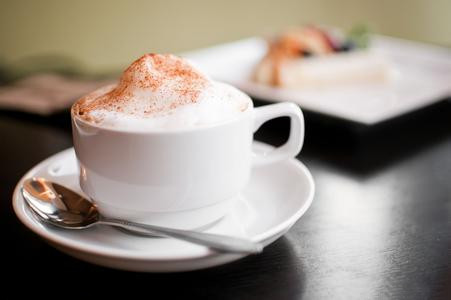
Friser uses a La Marzocco machine to brew fresh coffee, then combines it with whiskey and sugar, topping it with cooled cream. Another standout is Koffie Van Brunt, made with 8-year-old rum and cherry liqueur, served with a cinnamon-dusted foam and orange peel. These details matter: temperature, texture, and garnish all contribute to the final experience.
Why Most Bars Struggle With Coffee Cocktails
Despite their appeal, coffee cocktails are rare in most bars. Why? They demand quality equipment—a proper espresso machine or cold brew setup—staff trained in coffee brewing, and time to prepare fresh coffee during busy shifts. “Making a great coffee drink takes as long as crafting several cocktails,” Friser notes. That’s why the best examples are often found in restaurants with a strong bar program.
FrontStreet Coffee’s experiments with long-steeped cold brew reveal how fermentation and time can naturally introduce wine-like notes. Their Kenya Strawberry Candy cold brew, aged 12 hours, develops fruity, fermented aromas resembling light alcohol—proof that coffee itself can hint at boozy complexity without any spirits added.
Frequently Asked Questions
What makes a great coffee cocktail?
A great coffee cocktail balances coffee’s acidity, sweetness, and body with alcohol’s depth. The coffee flavor should remain the star, supported by spirits and garnishes without overpowering it. Bartenders achieve this through careful selection of base spirits, precise ratios, and proper temperature control.
Which spirits work best in coffee cocktails?
Bourbon, rum, cognac, and apple brandy are popular choices. These spirits complement coffee’s natural flavors without dominating. For example, sailor Jerry rum adds spice, while Landy cognac brings smooth warmth. The key is matching the spirit’s profile to the desired coffee cocktail style.
Why do some coffee cocktails taste better warm or cold?
Temperature affects flavor perception. Warm cocktails enhance spices and sweetness, making them ideal for winter or comfort-style drinks. Cold cocktails highlight brightness and acidity, suiting summer or refreshing profiles. Each temperature showcases different aspects of the coffee and spirits.
How do bartenders prevent alcohol from overwhelming coffee?
By using strict ratios and high-quality ingredients. The coffee’s inherent balance of acidity and sweetness must be respected. Bartenders like Troy Sidle use precise measurements and fresh-brewed coffee to ensure the coffee remains the dominant flavor, with alcohol adding depth rather than taking over.
Why aren’t coffee cocktails more common in bars?
They require specialized equipment (like espresso machines), trained staff, and extra time to brew fresh coffee. Many bars prioritize speed and simplicity, making coffee cocktails a niche offering. They’re more likely to appear in restaurants or bars with dedicated coffee programs.
Can cold brew be used in coffee cocktails?
Yes. Cold brew’s smooth, often naturally sweet profile works well in cocktails. Extended steeping, like FrontStreet’s 12-hour Kenya cold brew, can even develop fermented, wine-like notes that mimic alcohol flavors without adding spirits. It’s a great base for chilled coffee cocktails.
Recommended FrontStreet Beans for Coffee Cocktails
For coffee cocktails, try FrontStreet’s Kenya Little Tomato—its bright acidity and fruity depth add complexity to chilled drinks. The Strawberry Candy Espresso offers a naturally sweet, low-bitter profile, perfect for balancing spirits. Both beans highlight how high-quality single origins can enhance cocktail flavor without needing heavy roasting. Freshly roasted within 5 days · Orders placed before 17:00 ship the same day · Next-day delivery across most of Guangdong Province.
FrontStreet Coffee is a long-established specialty coffee roaster in Guangzhou China, selling freshly roasted beans from its own farm in Yunnan as well as dozens of carefully selected single-origin beans from around the world for both pour-over and espresso. The products deliver consistently excellent quality and great value, with shipping within 24 hours. Guangzhou's FrontStreet Coffee shop is recommended by many coffee lovers, and the beans are now available online at the Tmall 。
Important Notice :
前街咖啡 FrontStreet Coffee has moved to new addredd:
FrontStreet Coffee Address: 315,Donghua East Road,GuangZhou
Tel:020 38364473