How 'World Café' Method Boosts Collective Coffee Learning
Ever sat in a coffee meeting where everyone talks, but no one really listens—or worse, nothing actionable comes from hours of conversation? Whether you’re leading a roastery team, organizing a barista workshop, or facilitating a regional coffee growers’ roundtable, you’ve likely faced the challenge of turning group talk into meaningful progress. The usual round of opinions often leads to repetition, missed insights, or just polite silence. But what if there was a proven way to unlock deeper exchange and shared understanding?
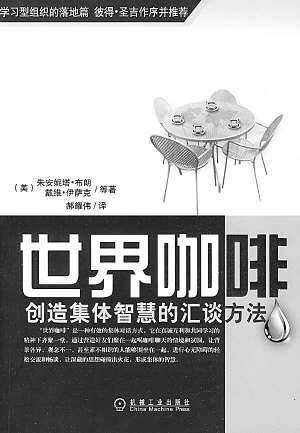
The solution lies in the World Café method—a structured yet flexible dialogue process designed to foster collaborative knowledge-building. Developed to mirror the natural flow of a friendly coffeehouse chat, it enables diverse groups to engage in focused, creative conversation and generate collective wisdom. Originally outlined in the 2010 book World Café by Juanita Brown and David Isaacs, this approach is now used worldwide across industries, including specialty coffee.
What Is the World Café Method?
The World Café is not about coffee tasting or how to run a café business. It is a facilitated small-group dialogue technique that creates an informal yet purposeful setting—like friends gathering over coffee—to encourage open exchange. Participants sit in circles, often around small tables, and discuss thought-provoking questions relevant to the group’s goals. The method is built on the idea that the best ideas emerge when people feel safe to share, listen actively, and build on each other’s input.
It’s particularly effective for organizations or communities looking to solve complex problems, share best practices, or co-create strategies. Instead of a top-down presentation, the Café model turns participants into co-creators of knowledge. Importantly, it has been adopted by global businesses, governments, and NGOs—not just for brainstorming, but for building alignment and collective intelligence.
Why It Works: Seven Core Principles
The World Café method is powered by seven key design principles that guide how conversations unfold:
- Set the context: Clarify the purpose and importance of the gathering.
- Create a hospitable environment: Think café-like—warm, inviting, and respectful.
- Explore questions that matter: Focus discussions around compelling, relevant questions.
- Encourage everyone to contribute: Every voice adds value.
- Cross-pollinate and connect ideas: Let insights flow between groups.
- Listen together for patterns: Surface themes and deeper insights.
- Harvest and share collective discoveries: Document and reflect on what’s been learned.
These principles help shift the tone of meetings from transactional to transformative. When applied in coffee industry settings—whether among roasters, baristas, or farmers—they foster trust, spark innovation, and align stakeholders around shared goals.
How to Run a World Café Session in Coffee Communities
Running a successful World Café involves practical steps that mirror the atmosphere and flow of an engaging coffeehouse conversation:
- Table setup: Small groups of 4–5 people gather around tables, ideally with a host who stays to welcome new members as others rotate.
- Welcoming and framing: Begin with a clear introduction to the purpose and guidelines. Set the tone for respectful, curious dialogue.
- Round 1 discussion: Pose an opening question relevant to your group (e.g., “What trends will redefine specialty coffee in the next five years?” or “How can we improve traceability in our supply chains?”). Discuss for 20–30 minutes.
- Table rotation: After the first round, most participants move to a new table. The table host summarizes the previous discussion for newcomers.
- Subsequent rounds: Repeat with new or related questions (typically 2–3 rounds total, 90–120 minutes). Each round builds on the last.
- Harvesting insights: At the end, gather key takeaways from each table. Visualize or cluster ideas to reveal patterns and shared priorities.
This format encourages participants to hear multiple perspectives, refine their own thinking, and contribute to a collective output. It’s ideal for strategic planning, training sessions, or community dialogues within the coffee sector.
Real-World Applications in Coffee
The book shares numerous case studies demonstrating the World Café method in action—from corporate strategy sessions to public policy workshops. In the coffee world, similar approaches have been used to:
- Facilitate producer-roaster dialogues on sustainability and pricing.
- Bring together baristas and roasters to align on quality and brewing standards.
- Help coffee communities develop regional branding or quality improvement initiatives.
By creating a space where diverse voices are heard and valued, the World Café fosters the kind of deep listening and collaborative problem-solving that the coffee industry increasingly relies on.
Frequently Asked Questions
What exactly is the World Café method?
The World Café is a structured dialogue process that organizes group conversations in an informal, café-style setting. Small groups discuss open-ended, meaningful questions over multiple rounds, with participants rotating between tables to share and build on ideas. It’s designed to generate collective insight and foster collaboration.
How many people can participate in a World Café session?
A single World Café can accommodate anywhere from 10 to several hundred participants, depending on the venue and number of tables. Each table typically hosts 4–5 people, with a host staying at the table between rounds to welcome new arrivals and summarize prior discussion.
What kinds of questions work best in a World Café?
The most effective questions are open-ended, relevant to the group’s goals, and encourage reflection and sharing. Examples include “What does great coffee collaboration look like in our region?” or “How can we better support sustainable farming practices?”
How is the World Café method different from regular meetings?
Unlike traditional meetings focused on presentations or top-down decision-making, the World Café emphasizes peer-to-peer dialogue, active listening, and collective sense-making. It creates a safe, creative space where everyone contributes, and insights emerge from the group’s interactions.
Can the World Café method be used for training or education in coffee?
Yes. It’s an excellent format for workshops, barista training sessions, or farmer education programs where dialogue, reflection, and shared learning are more valuable than one-way instruction.
Do I need a professional facilitator to run a World Café?
While not strictly required, having a skilled facilitator helps ensure the process runs smoothly, especially for larger or more complex sessions. They guide the framing, timing, and harvesting of insights.
Recommended FrontStreet Beans for Collaborative Coffee Sessions
For your next World Café-style coffee meeting, try FrontStreet Coffee’s Ethiopia Humbera—bright and floral with citrus and jasmine notes, perfect for sparking lively conversation. Pair it with Yirgacheffe for a classic Ethiopian duo full of berry and stone fruit brightness. For a deeper contrast, add FrontStreet’s PWN Golden Mandheling: a balanced Indonesian with nutty, chocolatey undertones. These beans showcase diverse profiles that mirror the variety of perspectives in group dialogue. Freshly roasted within 5 days · Orders placed before 17:00 ship the same day · Next-day delivery across most of Guangdong Province.
FrontStreet Coffee is a long-established specialty coffee roaster in Guangzhou China, selling freshly roasted beans from its own farm in Yunnan as well as dozens of carefully selected single-origin beans from around the world for both pour-over and espresso. The products deliver consistently excellent quality and great value, with shipping within 24 hours. Guangzhou's FrontStreet Coffee shop is recommended by many coffee lovers, and the beans are now available online at the Tmall 。
Important Notice :
前街咖啡 FrontStreet Coffee has moved to new addredd:
FrontStreet Coffee Address: 315,Donghua East Road,GuangZhou
Tel:020 38364473