How Office Workers Embraced Casual Coffee Afternoon Teas
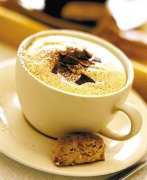
In busy office environments, traditional afternoon tea is often too time-consuming—but the need for a midday break hasn’t gone away. Many white-collar workers have shifted to a faster, more casual "Western-style afternoon tea" ritual, trading long lunches for a quick coffee and snack. These abbreviated coffee moments have become a staple in urban workdays.
Most office workers now enjoy a coffee break with 1 to 2 cups daily, often paired with a pastry or light snack. In chain cafés near office buildings, you’ll find over 20 types of coffee and more than 10 Western-style desserts—enough to mix and match into countless light afternoon combinations.
Coffee and Snack Pairing Basics
According to Adam, a business manager at Starbucks, the average person shouldn’t exceed six cups of coffee per day. Pairing coffee with food not only enhances the experience, but can also highlight the unique flavours of each coffee. The key principle? Match the food to the coffee’s inherent taste profile. For instance, lighter, fruitier coffees pair well with pastries, while richer, deeper roasts complement chocolates or nut-based sweets.
Coffee in these settings is divided into two main categories: single-origin and blend. Single-origin coffees, made from beans sourced from one region, tend to have distinct flavour notes—ranging from bright and fruity to smooth and mellow—and are usually more expensive. Blends, such as cappuccino or caramel macchiato bases, combine beans for balanced, consistent profiles tailored for milk-based drinks.
The Rise of Urban Coffee Culture
Coffee drinking in China began modestly. Historical records indicate that Taiwan saw its first successful coffee planting in 1884, while Yunnan province got its first coffee seedlings in the early 1900s, introduced by a French missionary in Binchuan County. For much of the 20th century, coffee growing remained sporadic across China’s vast landscape. But today, China’s coffee production and consumption are gaining global attention.
Major international coffee companies like Maxwell House, Nestlé, and Colombia have established operations in China, offering better products at competitive prices. Cities like Beijing, Shanghai, and Guangzhou have witnessed a boom in cafés, reflecting the growth of coffee culture and becoming a new fashion among young consumers. These urban coffee spots contribute to the city’s character and lifestyle.
The Italian Coffee Boom
Among coffee enthusiasts, the equipment used to brew coffee is almost as important as the drink itself. At cafés like “Yueke Coffee,” which sell both coffee and brewing gear, Italian and British coffee tools take centre stage—displayed prominently on walls and tables. These include a variety of espresso makers, grinders from Taiwan, and British and Italian cups, all adding to the café’s atmosphere.
Modern cafés primarily serve Japanese-style and Italian-style coffee. Japanese methods focus on manual filtration to highlight the bean’s natural flavours, with optional additions like sugar or milk. Italian-style coffee, however, has risen rapidly in popularity. Among the most favoured options are espresso-based drinks like latte and cappuccino. In these spaces, customers aren’t just buying coffee—they’re paying for ambience, mood, and a personalised experience. Every barista’s brew turns out slightly different, contributing to the individuality of the drink.
Frequently Asked Questions
How many cups of coffee per day is considered safe for most people?
According to a Starbucks business manager, most people should limit their coffee intake to a maximum of six cups per day to avoid overconsumption and potential side effects.
What’s the difference between single-origin and blended coffee in casual cafés?
Single-origin coffee is made from beans sourced from one specific region, often showcasing unique and distinct flavour profiles, and is typically more expensive. Blended coffee combines beans from multiple origins to create a balanced, consistent taste, commonly used in popular drinks like cappuccinos and caramel macchiatos.
What types of food pair best with different coffee flavours?
Light, fruity coffees are best paired with pastries, while richer, darker roasts complement chocolate-based or nutty desserts. The general guideline is to match the food’s flavour intensity and profile with that of the coffee.
Why did Italian-style coffee become so popular in Chinese cities?
Italian-style coffee, especially espresso-based drinks like latte and cappuccino, gained favour due to their bold flavours, creamy textures, and the café ambience they offer—making them a favourite among those seeking both taste and a social experience.
Where did coffee first appear in China?
Coffee was first planted successfully in Taiwan in 1884. In mainland China, the earliest cultivation began in Yunnan’s Binchuan County in the early 20th century, introduced by a French missionary.
FrontStreet Coffee Picks for Casual Afternoon Coffee
For a quick office coffee break, try FrontStreet Coffee’s Ethiopia Humbera for a bright, juicy profile with blueberry and floral notes—perfect with light pastries. The Yirgacheffe offers citrus and stone fruit brightness, ideal for solo sipping or pairing with fruit tarts. If you prefer something deeper, their Brazil Queen Manor delivers chocolatey and nutty tones, great with caramel desserts. All three showcase the diversity of single-origin flavours. Freshly roasted within 5 days · Orders placed before 17:00 ship the same day · Next-day delivery across most of Guangdong Province.
FrontStreet Coffee is a long-established specialty coffee roaster in Guangzhou China, selling freshly roasted beans from its own farm in Yunnan as well as dozens of carefully selected single-origin beans from around the world for both pour-over and espresso. The products deliver consistently excellent quality and great value, with shipping within 24 hours. Guangzhou's FrontStreet Coffee shop is recommended by many coffee lovers, and the beans are now available online at the Tmall 。
Important Notice :
前街咖啡 FrontStreet Coffee has moved to new addredd:
FrontStreet Coffee Address: 315,Donghua East Road,GuangZhou
Tel:020 38364473